
Sep 15, 2025
•
Onton Team
Learn standard desk dimensions for different workstations, including the ideal height, depth, and width of different desk styles. Use Onton to build a productive workspace.
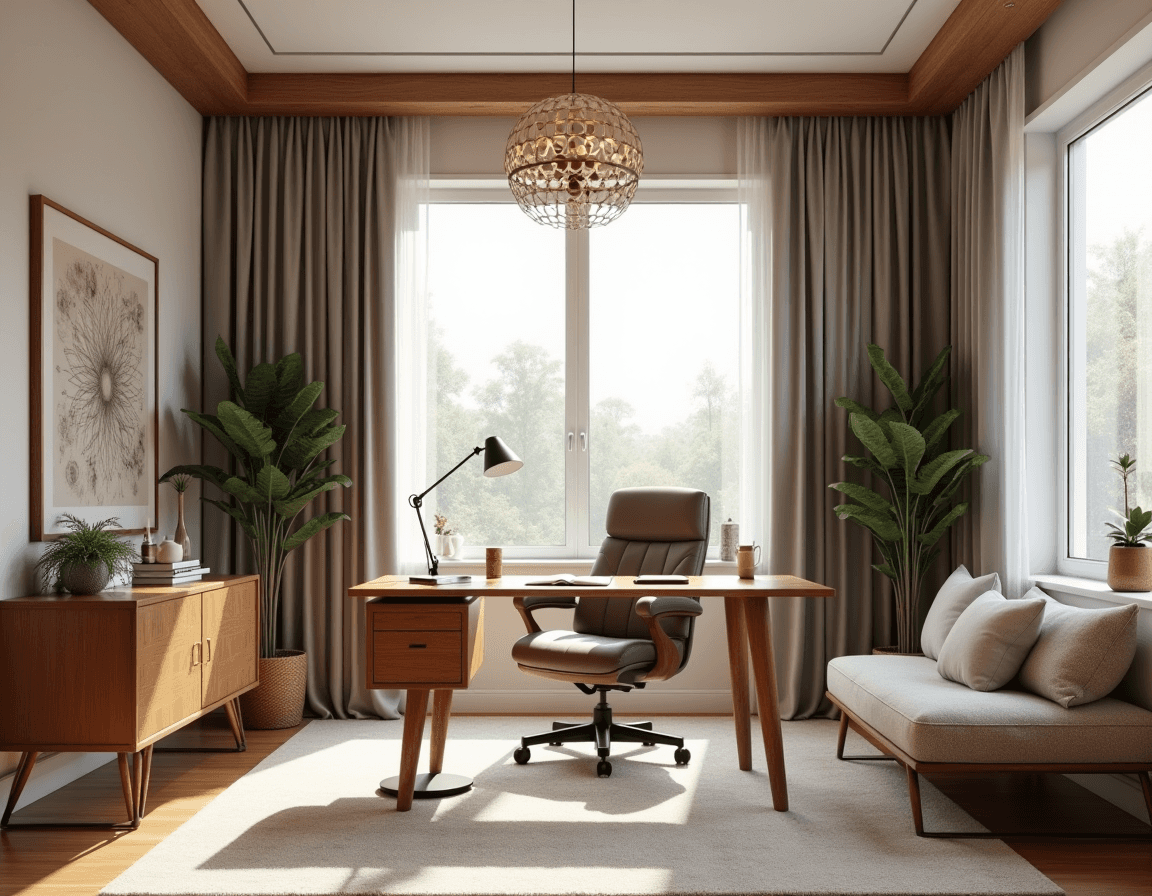
When you picture the perfect home office, you might imagine yourself sitting behind a polished mid-century modern executive desk, taking phone calls with your legs kicked up. Or maybe you want to set firmer boundaries after a long day’s work by closing a discreet secretary desk and pretending emails were never invented.
Achieving these dreams starts with finding a desk that fits comfortably in your space. The right desk dimensions dictate everything from comfortably using your mousepad to getting the necessary amount of storage space for all your pens, files, and notebooks.
In this guide, we’ll walk you through standard desk dimensions and how to choose the right furniture for your workspace. Whether you’re decorating a separate home office or carving out a corner of your living room, the perfect desk is the one that fits your space down to the inch.
Standard desk sizes explained
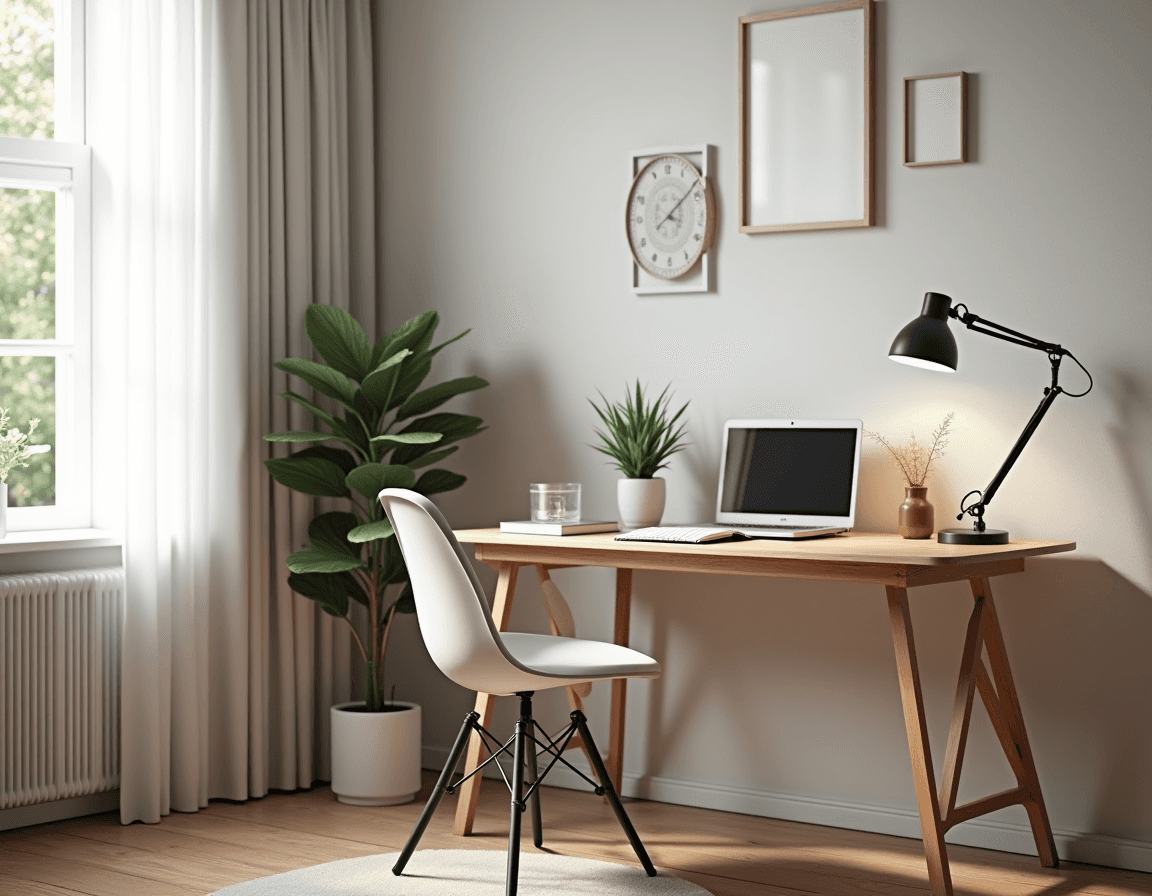
Before you set your heart on a specific desk setup, take a look at standard desk sizes — height, depth, and width — to design a comfortable and productive working zone.
Standard desk height
The standard desk height range is 28 to 30 inches. Desk height rarely goes above 30 inches, unless you opt for an adjustable or standing desk, which can adjust up to 48 inches tall to promote proper seated and standing posture. A 28 to 30 inch desk height works well with office desk chairs, letting you sit comfortably with your elbows at a 90-degree angle. If you’re significantly taller or shorter than average, opt for an adjustable office chair for the best posture.
Standard desk depth
Desk depth is a little more variable than height and typically sits somewhere between 20 and 30 inches. A shallow 21 to 24 inches works well for compact setups that require little more than a laptop or notebook, while a deep 28 to 30 inches is ideal for a computer tower with plenty of space left over for coffee mugs.
An unobtrusive compact desk will fit right into a minimalist design or apartment with limited space, but a deeper desk will give you the surface area to spread out accessories and add organizers for extra storage space.
Standard desk width
Most desks stretch from 36 to 60 inches long. Some compact desk styles, like writing desks and credenza desks, can measure as little as 18 inches (but remember you’ll have to put your legs underneath). Large desk designs, like an executive desk, can reach up to 72 inches.
For most people, the 36 to 48 inch range is plenty of room to work from a laptop with a few office essentials in reach, perfect for a small bedroom home office. Level up to a desk 60 inches or wider if you need to accommodate dual monitors or work comfortably on big creative projects.
Desk measurements and dimensions by type
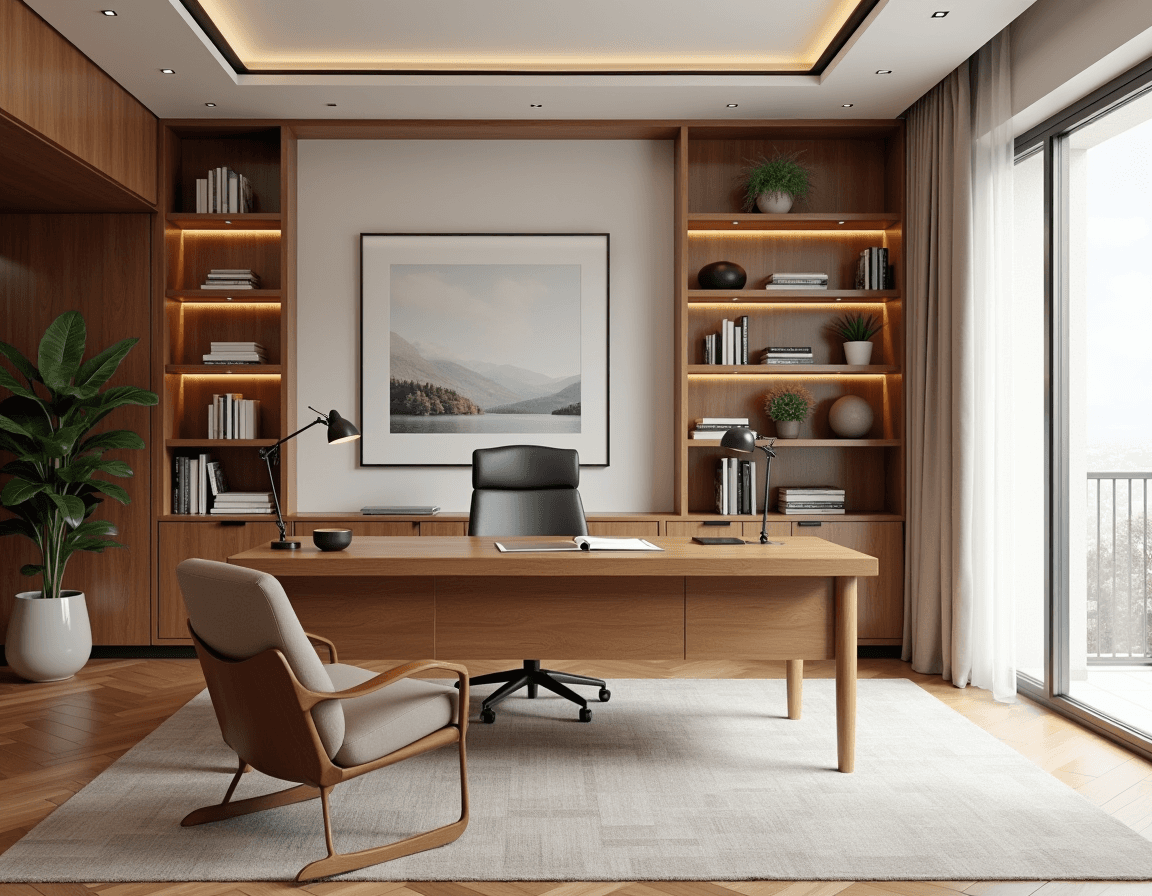
The average desk size depends on whether you want a compact secretary desk or an adjustable standing desk that fits multiple monitors. Here’s a breakdown of different average desk sizes based on their style:
Sitting desk dimensions
Standard desk size: 48 to 72 inch length, 24 to 30 inch width, 28 to 30 inch height
This crowd-pleaser is a good fit for everyday purposes, like homework, light computer use, or writing. It has enough surface area to set up a monitor and keyboard or work with a laptop, but its workspace is compact enough to not swallow up the room.
Executive desk dimensions
Standard desk size: 60 to 72 inch length, 30 to 36 inch width, 28 to 30 inch height
An executive desk is part function, part presence. Executive desks tend to be design-forward — think traditional rich, carved wood, mixed material Bauhaus designs, and boxy brutalist styles. These desks are perfect for a home office interior design with equally stylish office furniture, like an Eames lounge and an ornate bookshelf for comfy reading.
Large executive desks boast ample workspace to spread papers, install dual monitors, or add symmetrical organizers that offer plenty of storage space.
Browse for an executive desk on Onton
Standing desk dimensions
Standard desk size: 48 to 72 inch length, 24 to 30 inch width, 38 to 50 inch height
Sitting in an office chair day in and day out can make a significant impact on your posture. Standing desks, sometimes called adjustable or sit-stand desks, encourage better posture through ergonomic design and flexibility to switch the setup.
The dimensions of a standing desk typically mirror a standard sitting desk’s width and depth, but heights adjust up to 50 inches tall. Their designs generally use utilitarian metal and fiberboard, although you’ll find wood and plastic laminates that are better fits for minimalist or Japandi-style interior design.
Computer desk dimensions
Standard desk size: 48 to 72 inch length, 24 to 32 inch width, 28 to 30 inch height
Computer desks, also called gaming desks, are built to support chunky monitors, PC towers, and large keyboards and mousepads. They support marathon sessions — whether you’re a gaming streamer or coder — with built-in cable ports and storage space tailored for cords and gear. Style-wise, they often lean into futuristic or industrial design aesthetics, with carbon fiber surfaces and LED accents.
Credenza desk dimensions
Standard desk size: 60 to 72 inch length, 18 to 24 inch width, 28 to 30 inch height
Credenza desks are a hybrid design ideal for someone who wants a desk that blends into a multipurpose room. Common in traditional design, credenza desks emphasize cabinetry with side drawers, open shelves, and hutches that add plenty of vertical storage space.
This style often looks like a sideboard with a writing surface. With the right styling — like a decorative plant pot and table lamp — it can fit right into the rest of your living room.
Writing desk dimensions
Standard desk size: 30 to 60 inch length, 18 to 24 inch width, 28 to 30 inch height
A writing desk is a compact desk design meant to keep you focused on reading, writing, and light office work. Its simple design is ideal for students and hybrid workers who need to set aside a little bit of space for their productivity.
Compared to computer or executive desks, writing desks tend to be more pared down. The most streamlined writing desks look like narrow tables or install directly into the wall for a footprint minimizing fold-up option. Without much built-in storage, a floating shelf, corkboard, and efficient drawer organizers might be necessary to keep your workspace organized.
Search for a writing desk on Onton
Secretary desk dimensions
Standard desk size: 30 to 42 inch length, 18 to 24 inch width, 20 to 48 inch height
This small desk is another good home office idea for a multipurpose space, like a living room or small bedroom. Secretary desks can be closed to hide papers, cords, and general work chaos, and tend to stand taller than other desks because their design requires extra height to fit the pull-down hutch.
Typically, secretary desks are built with drawers underneath the writing surface and design features above, like small cubbies or glass-front cabinets. They tend to lean vintage or antique with carved details and warm wood finishes, which makes them a good fit for several interior design styles, including traditional, transitional, and modern farmhouse.
How to choose the right desk dimensions: 3 considerations
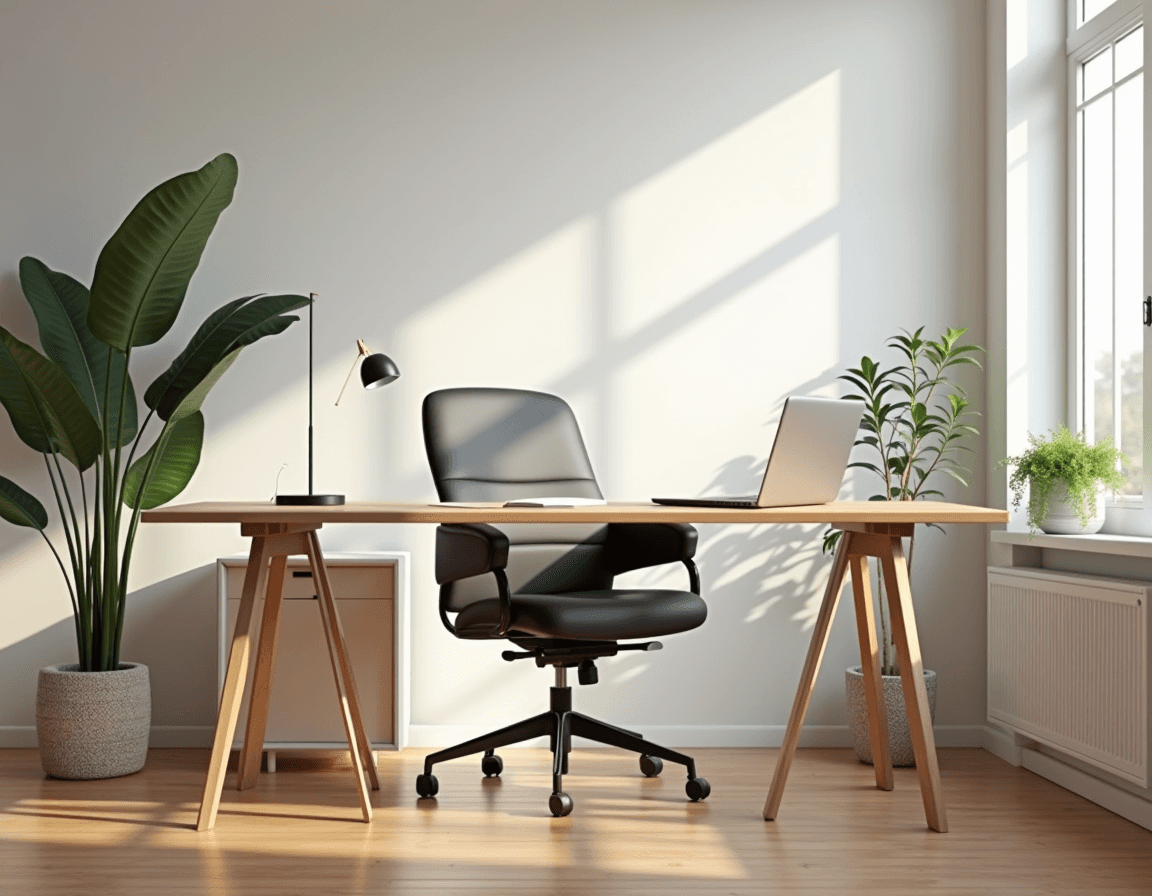
Before you move your dream office desk into your virtual shopping cart, consider the following tips to choose a desk that fits into your workspace right out of the box.
Measure floor and wall clearance
Feeling crammed into a corner isn’t great for your productivity. Save 30 to 36 inches between the desk and the nearest wall or furniture to avoid bumping into anything with your chair. Likewise, 18 free inches on either side of the desk will make the setup feel more open and balanced with the rest of the room’s interior design — or give you space for a lovely potted plant or floor lamp.
Consider your chair height
Most desk chairs have adjustable seat heights to help you slouch less. If your home office is part of another room, using a regular armchair instead of a desk chair helps secretary and credenza desks blend in with their surroundings better. No matter what kind of chair you choose, sit in it and bend your arms at 90 degrees — your elbows should line up right at the desk surface to keep your shoulders, wrists, and knees relaxed.
Account for desktop objects
Is a slim laptop all you need, or are you running multiple monitors, professional speakers, and a docking station? Your gear will dictate how deep and wide your desk needs to be. Factor in space for other home office essentials, like a reading lamp, notebooks, and space for coffee.
Find your perfect fit: Explore desk dimensions with Onton
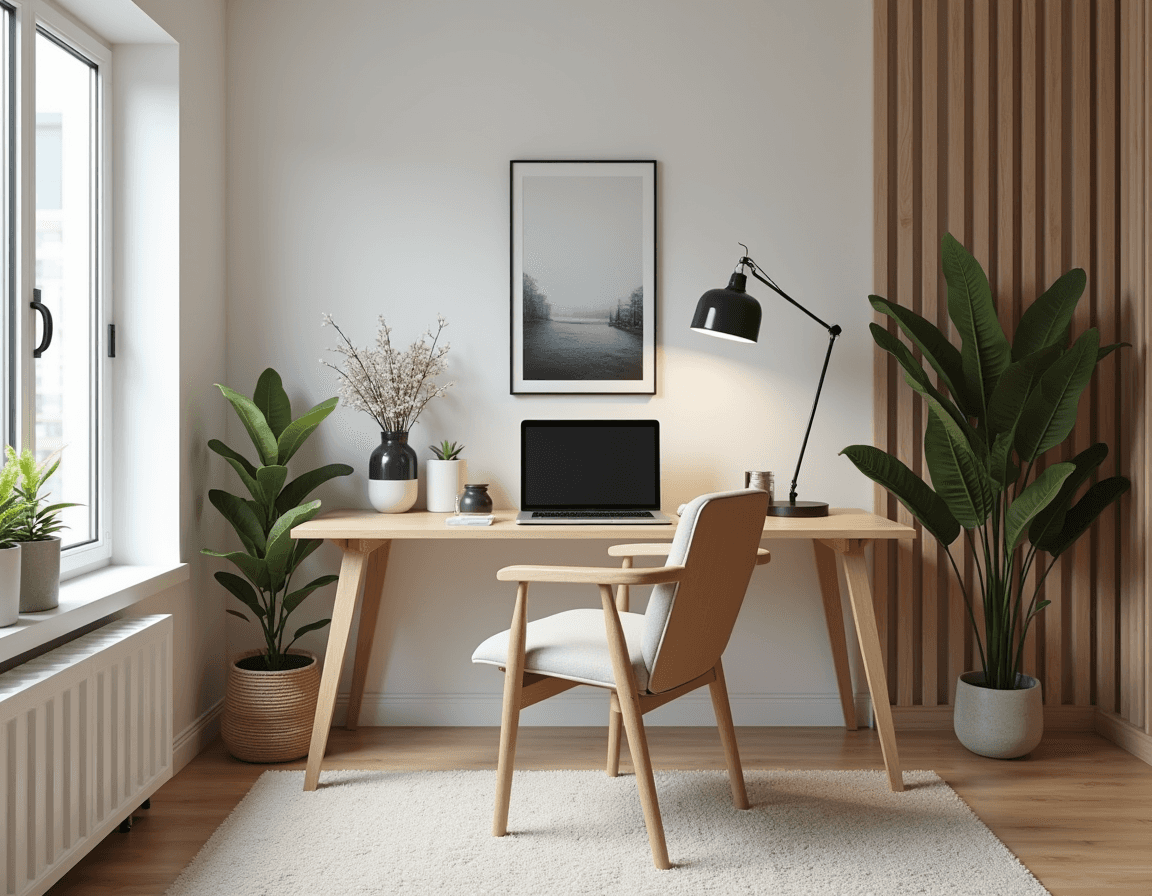
Designing a home office that needs to be stylish and functional? Onton’s AI-powered search engine helps you find the perfect desk and decor, from mid-century modern executive desks to rustic wood secretary desks. Try prompts like “sit-stand desk,” “ergonomic desk chair,” or “floating bookshelf” to discover pieces that match your aesthetic.
Once you find a few favorites, use Onton’s Imagine tool to preview how they’ll look in your workspace. Just upload a photo and start experimenting with desks, materials, and decorative accents. Or, try a prompt like “fluted light wood executive desk in an eclectic home office” to visualize a completely new space.Dream up your ideal home office with Onton.