•
Onton Team
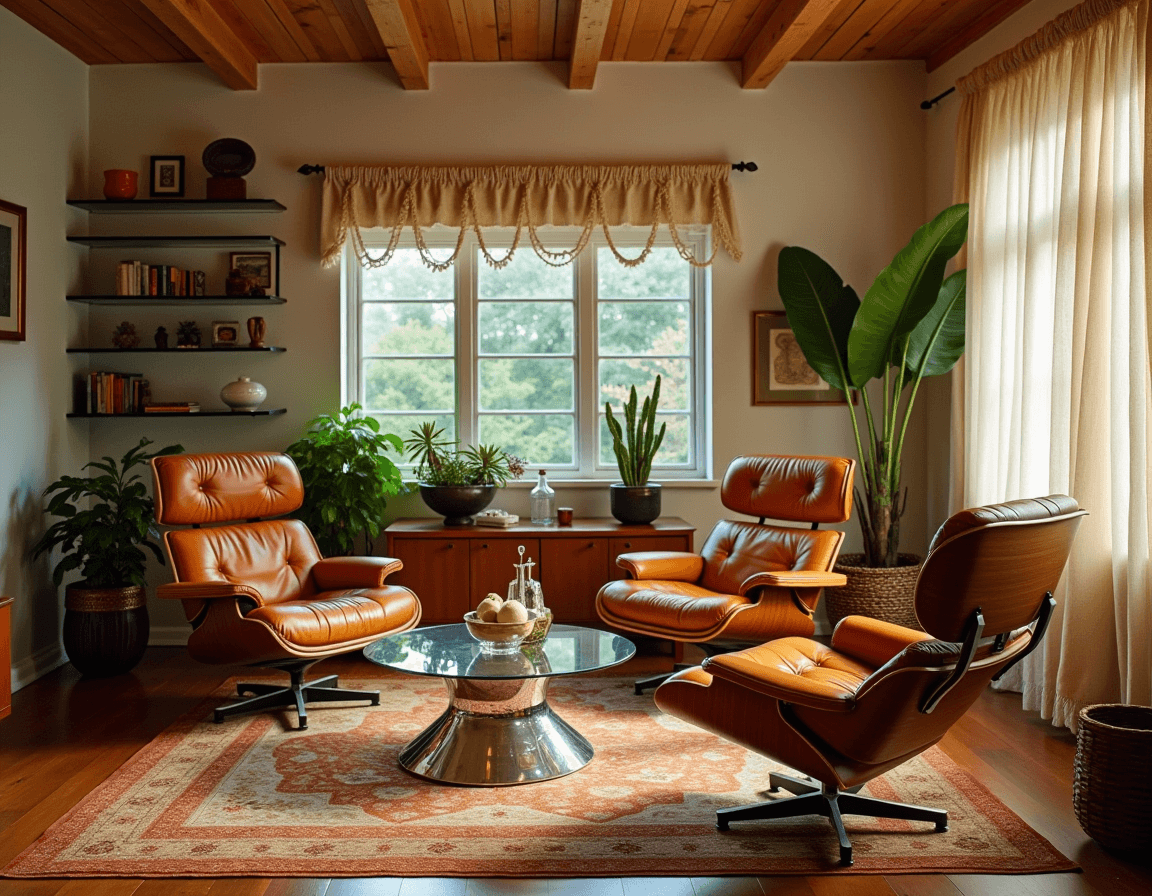
Think the design style of the 70s was all lava lamps, wood paneling, and shag carpets? The decade absolutely loved quirky design, but there’s more to 70s interior design than kitsch. The 1970s aesthetic embraced outrageous patterns alongside natural tones and textures that can still feel right at home in your own twenty-first-century space.
In this guide, walk through what defined 1970s interior design and learn how to bring those groovy details into a modern home. From iconic furniture to retro color palettes, these design strategies will help you capture the decade’s stylistic power without getting stuck in a time warp.
What are the key elements of retro 70s house interiors?
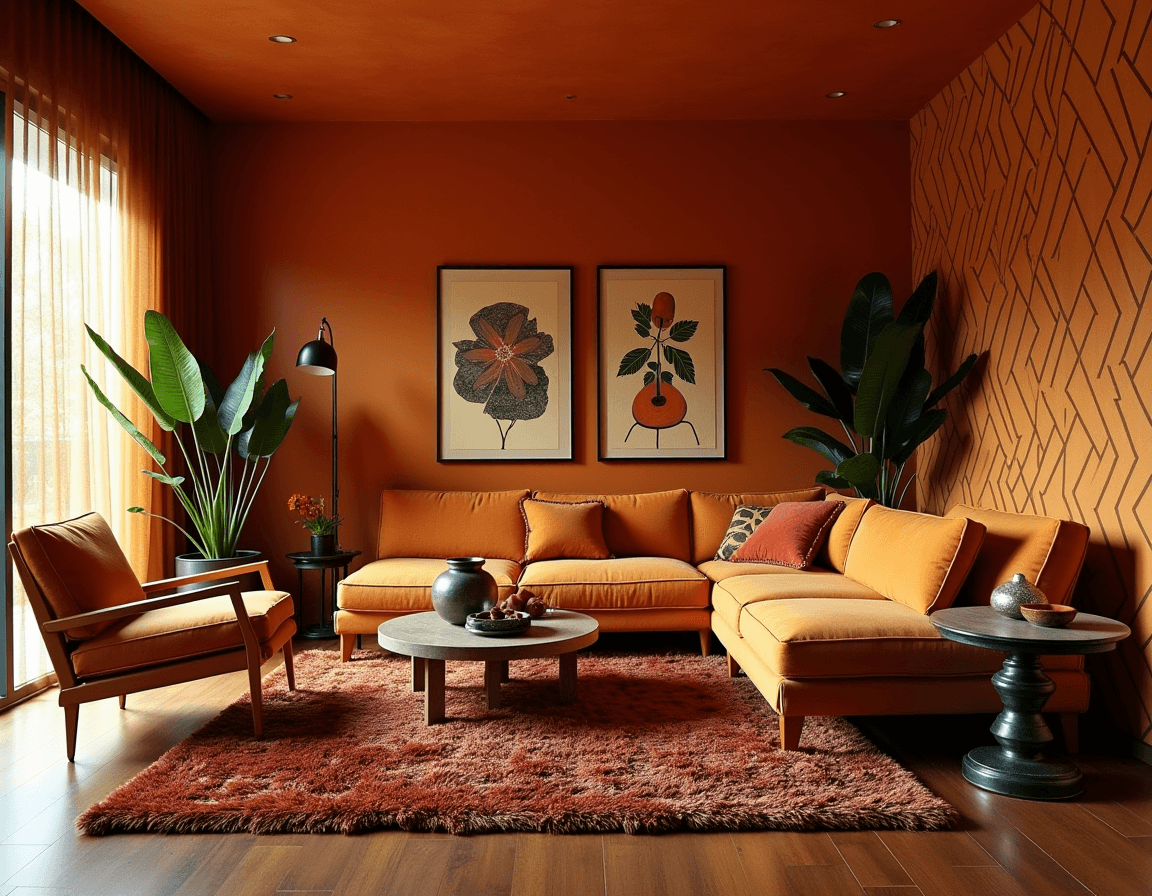
The 1970s weren’t shy about making big design moves. From undulating wallpaper patterns to back-to-nature color palettes, the decade’s design language was the opposite of subtle.
Here are four major features that capture 70s style.
A focus on nature
It’s no surprise the decade that brought us chia pets and pet rocks had a thing for nature. Tropical ferns cascaded out of macrame hangers, and leafy palms and elephant ears made every day feel like a tropical vacation. Look for accents in earthy materials that work with bold greenery, like rattan chairs and thick-grained wood coffee tables.
Bold patterns and graphics
No surface escaped the era’s love of bold patterns: wallpaper, upholstery, and even floors and ceilings. While today’s minimalist styles often want walls to retreat into the background, the 1970s used loud, organic patterns to pack every inch of a space with energy and personality.
Rich textures
In the 1970s, lush textures dominated design. Shag carpeting, corduroy couches, and leather sofas are just a few examples from the decade where material is as important as form. Even hard surfaces like cane and stone created an immersive design experience that was as indulgent as it was functional.
Open-plan living
70s design also reflects the era’s love for a good party. Open floorplans, sunken living rooms, and conversation pits turn homes into social hubs. Whether you’re playing Space Invaders or dancing to disco, set up your living room’s layout for nights that stretch until sunrise rather than formal gatherings.
How to use a 70s-inspired color palette
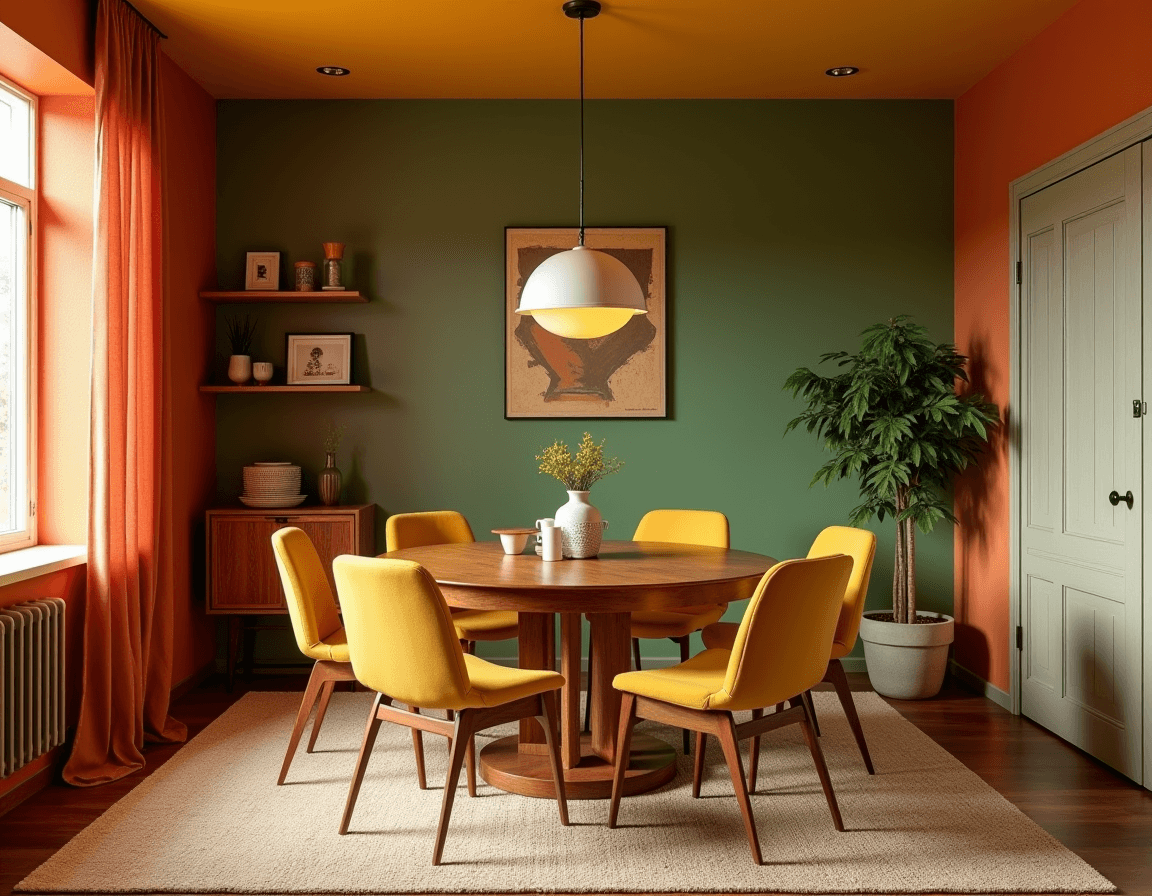
Technicolor TVs outsold black-and-white sets in the 70s, and that color jumped off the screen into people’s living rooms. The 1970s color palette mixed earthy shades with bright, saturated hues, starring oranges, yellows, and greens.
Here’s how to layer the era’s colors into your own design style.
Earth tones and warm shades
If the room looks like a woodland cabin in the middle of autumn, you’re doing it right. Burnt orange, mustard yellow, and avocado green tap into the era’s suburban desire to connect with the natural world. Think big like floor-to-ceiling curtains and upholstered sofas that make living rooms extra cozy.
Vibrant accent colors
Alongside earth tones, 70s design loves to throw in a jolt of unexpected color, like a cobalt vase on a wood sideboard, coral throw pillows, or a patterned rug buzzing with magenta and lime. These flashes of color keep a room’s interior design from feeling too dark and heavy.
Soft neutral bases
A bedroom dressed head to toe in harvest gold is a maximalist dream. For a less saturated (and more contemporary) feel, use creams and beiges to let loud colors pop even more. A cream-colored couch softens the statement of a magenta crushed velvet rug, and sandy walls let the impact of a burnt orange sofa stand front and center.
How to select 70s-style furniture
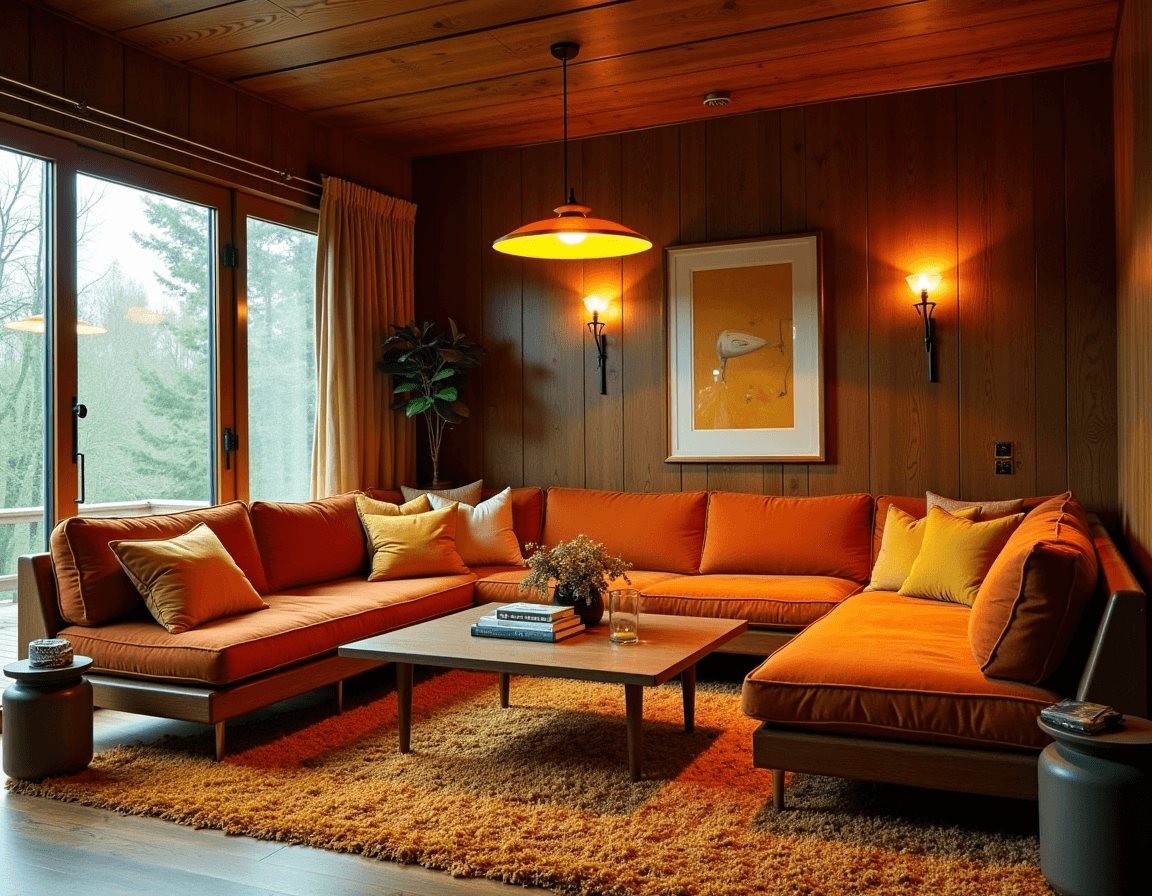
70s-style furniture balances a laid-back attitude with dramatic gusto. Low seating, curved shapes, and eye-catching materials make everyday pieces feel like a vibe. Picking the right styles will make or break your 70s design, so here are a few pointers on what to look for.
Low and curved silhouettes
70s living rooms are meant for relaxing. Furniture from this era took the subdued, organic curves of the 50s and 60s Bauhaus and mid-century modern design styles and stretched them out. Rounded couches with oversized cushions and egg-shaped chairs invite you to sink in. And look for furniture pieces without legs: When furniture sits flush with the floor, it creates a looser lounge vibe.
Browse groovy rounded couches on Onton
Iconic vintage materials
The 1970s pulled in two directions at once — back to nature and forward to the future. Rattan and cane bring a hand-woven, earthy quality to homes, while polyurethane and tubular steel accents feel ripped out of a sci-fi set. The right balance of these vintage materials distinguish 70s interiors from bohemian or retro-futuristic designs.
Statement furniture pieces
Modular sectionals and chunky silhouettes defined the decade, favoring informality and flexibility. Designs like the Camaleonda sectionals or DS 600 snake sofa had endless combinations to rearrange seating depending on the party. Originals can be hard to come by (and expensive), but contemporary designers are bringing back the look with pieces like the reissued Soriana sofa and modern riffs on bubble accent chairs.
How to create a modern 70s living room
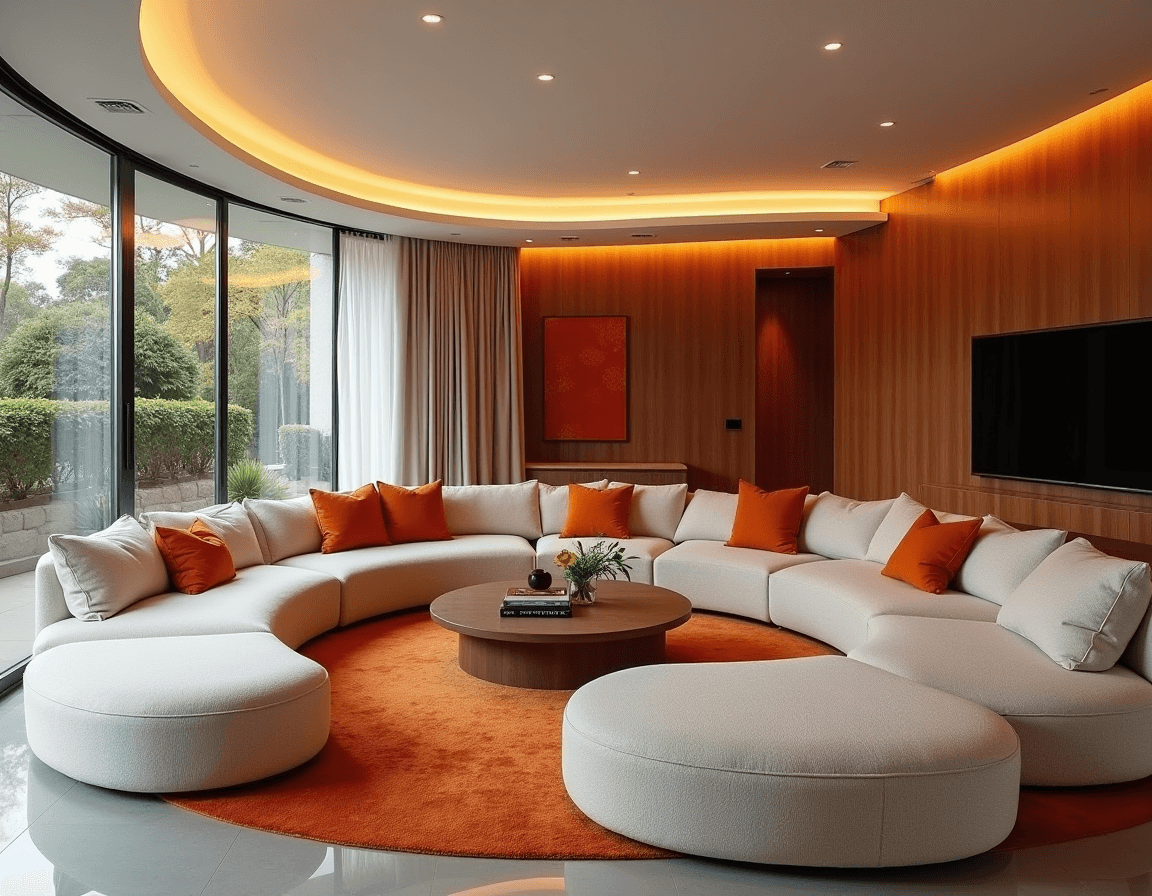
A 70s-inspired room should be just that: inspired. Too much shag carpet and wood panel walls can make you feel like you’re living in a time capsule. Luckily, there are a few ways to achieve the boldness of the 70s with the freshness of contemporary design trends.
Blend retro with modern
Let one or two funky furniture items anchor the living room’s decoration strategy, then layer in modern and contemporary accents. That could mean a dramatic Mario Bellini sofa and rattan swivel chair with minimalist coffee tables or sleek built-in cabinetry, for example. Or it might look like furniture pieces that combine the contemporary and retro aesthetics, like a beige L-shaped sofa with a low profile and rounded edges.
Avoid over-themed spaces
Head-to-toe shag carpeting and an avocado green kitchen island will definitely feel authentic, but it might also feel costumed and out of place for this decade. Instead, choose a few defining details from the era — a small shag rug or green tassel lamp — to mix in with more modern design choices.
Find the best 70s-inspired shag rug with Onton
Reimagine classic layouts
We can’t all be blessed with conversation pits and sunken living rooms, but you can recreate the mood in other ways. Encourage lounging and socializing with low, modular seating, and arrange other furniture pieces to direct flow between different zones.
Explore retro 70s interior design with Onton
Are you ready to boogie? Use Onton’s AI-powered search engine to explore funky 70s-inspired ideas. Try prompts like “chunky sectional,” “velvet throw pillow,” or “shag rug” to browse pieces from the best brands.
Once you discover a few favorites, use Onton’s Imagine tool to preview how your new 70s decor will look in your home. Just upload a photo and try a prompt like “70s-inspired living room with shag rug, modular sofa, and fireplace” to start experimenting with different setups.
Dream up your ideal 70s interior design with Onton.
FAQ
Is 70s interior design coming back?
Fashion trends circle around eventually. Right now, contemporary design pulls from the decade’s warm palettes, sculptural furniture, and love for texture. You’ll see it in modular sofas and futuristic lighting fixtures that nod to retro-nostalgia without recreating it wholesale.
Is 70s design mid-century modern?
Not quite. Mid-century modern styles as we know them today peaked in the 1950s and 60s. The 1970s borrowed some of those curved silhouettes but pushed them to be chunkier, lower, and a lot more playful.
What is the 1970s decorating style called?
There isn’t a single name for 70s interior design styles. You can call it retro or disco-era, and will notice an overlap with boho and space-age design.
Related reading
Keep reading
Design guides, smarter shopping, and AI-powered ways to find what you love
