
Throw Pillows
41k+ products · from $8 · 134 brands
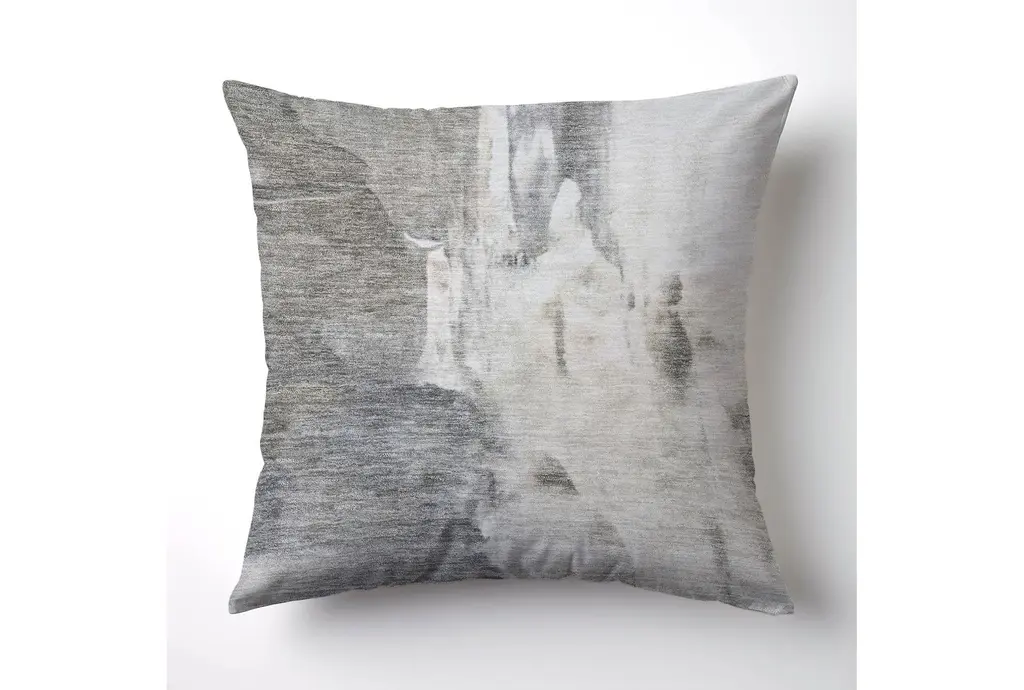
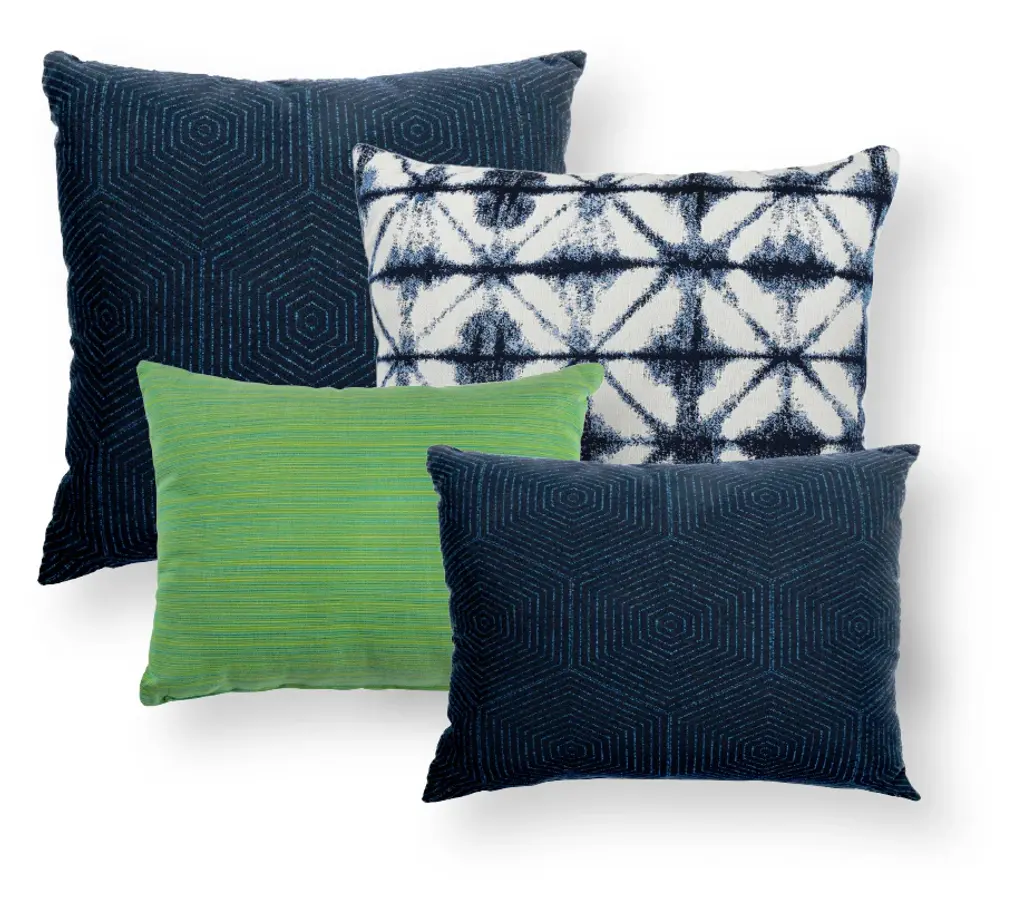
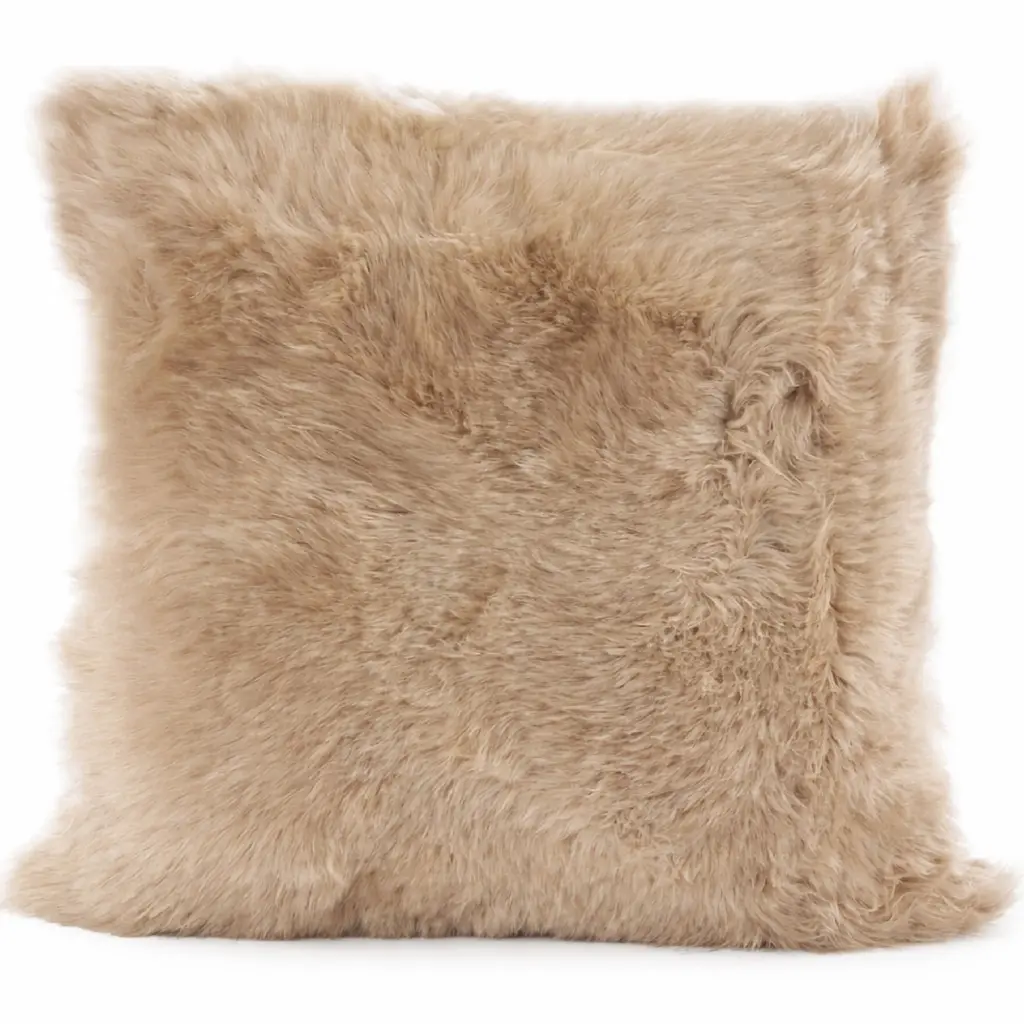
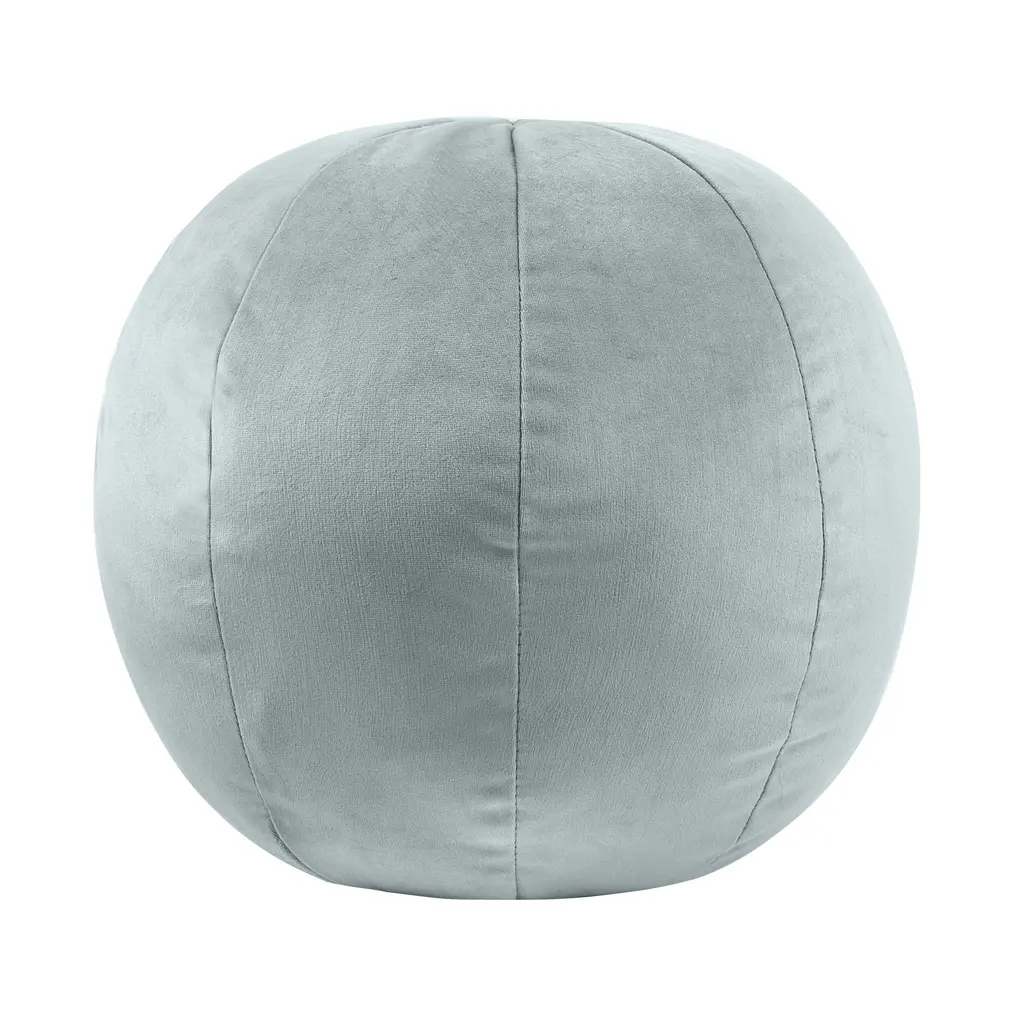
Material Truth
Know what you’re buying before you buy it.
| Material | Durability | Maintenance | Onton’s Take |
|---|---|---|---|
| Down insert | Naturally resilient and the highest quality cushion fill available, down retains its shape for years and lasts longer than synthetic alternatives with proper care. For a deep clean, dry cleaning is recommended. | Fluff daily to maintain loft and do not machine wash as it can damage the filling. | Best for a luxurious, plush feel. Worth noting that down can trigger allergies as the feathers attract dust mites and contain proteins that some people react to. It also requires more upkeep than synthetic fills. |
| Down-alternative | The best everyday option. It has the softness of a down insert without the allergen risk. May compress over time with heavy use but holds up well for everyday sofas. | Machine washable and easy to maintain. Spot clean minor spills and wash covers regularly to keep fresh. | Best for everyday use and at a more accessible price point than real down. |
| Memory foam | The right choice depends on the density. High-density memory foam holds its shape very well over time and is one of the most supportive cushion fill options available. Low-density foam is softer and cheaper but compresses faster and needs replacing sooner. | A low-maintenance fill overall. Spot clean covers and air out the foam occasionally. Do not machine wash as it breaks down the material. | Best for people who prioritize support over a soft, plush feel, and particularly well suited to seating used for prolonged periods like in front of a desk or TV. |
Best throw pillow by placement
How many pillows, what sizes, and how to mix them.
| Placement | Recommended size | Quantity | Best cover fabric |
|---|---|---|---|
| 3-seat sofa | 20×20" or 22×22" | 4–6 pillows | Performance fabric or velvet |
| King bed | 26×26" Euro shams and 20×20" accents | 2 Euro shams and 2–3 accent pillows | Linen or cotton for breathability |
| Accent chair | 18×18" or a 14×20" lumbar 14×20" | 1–2 pillows maximum | Textured or patterned to add visual interest |
| Outdoor seating | 20×20" or custom cushion size | Match seating count | Sunbrella or solution-dyed acrylic only |
Frequently asked questions
Everything you need to buy with confidence.
How many throw pillows should I put on a sofa?
For a standard three-seat sofa, 4 to 6 pillows is the sweet spot. Two in each corner plus one or two in the center is a reliable starting arrangement. An odd total number tends to look more styled and considered than an even one. The goal is intentional without being impractical, so always leave at least one full seat completely clear for sitting.
Down vs. down-alternative pillow inserts — which is better?
Down inserts feel more luxurious and hold their shape longer over time, but they require dry cleaning and are not suitable for allergy sufferers. Down-alternative inserts made from polyester fiberfill are machine washable, hypoallergenic, and significantly more affordable, making them the better everyday choice for most homes, particularly those with pets or young children.
Should I buy a pillow cover or a complete pillow?
Buying a cover and insert separately gives you considerably more flexibility. You can refresh your look seasonally without replacing the whole pillow, and covers are much easier to wash and swap out. Complete pillows are convenient but limit your options over time. If you are building a long-term pillow arrangement, invest in quality inserts and change the covers for variety as your taste or the seasons change.
What size insert should I use with a 20×20 pillow cover?
Always size up your insert by one to two inches for a full, plump result. A 20x20 cover looks best with a 22x22 insert. This slightly overstuffed effect prevents the pillow from looking flat or floppy once it is on the sofa. If you are using a down insert, sizing up also accounts for natural compression so the pillow maintains its loft over time.
What's the best throw pillow fabric for a couch with kids and pets?
Performance fabrics such as Sunbrella or solution-dyed acrylics are the most durable option for high-traffic households. They resist stains, moisture, and pilling without looking overly utilitarian. Crypton fabric is another strong choice since it blocks liquids at the fiber level. Velvet and linen are worth avoiding in homes with pets as they attract hair and are harder to clean thoroughly.
How do I style throw pillows without it looking too matchy?
Mix patterns at different scales, for example pairing a large geometric print with a smaller floral in the same color family. Varying textures such as velvet, linen, and woven fabrics adds depth and visual interest without relying on pattern at all. The key is keeping one unifying element across all the pillows, whether that is a color pulled from the rug, a consistent neutral in each cover's background, or a shared undertone throughout.
Can I use indoor throw pillows outside?
Technically yes, but they will degrade much faster than purpose-made outdoor options. Indoor fabrics are not UV-stabilized, so they typically fade within a single season of direct sun exposure. The inserts can also absorb moisture and develop mildew. For outdoor use, choose pillows labeled outdoor or all-weather, which use solution-dyed fabrics and quick-dry inserts built to handle the elements.
What is a lumbar pillow and do I need one?
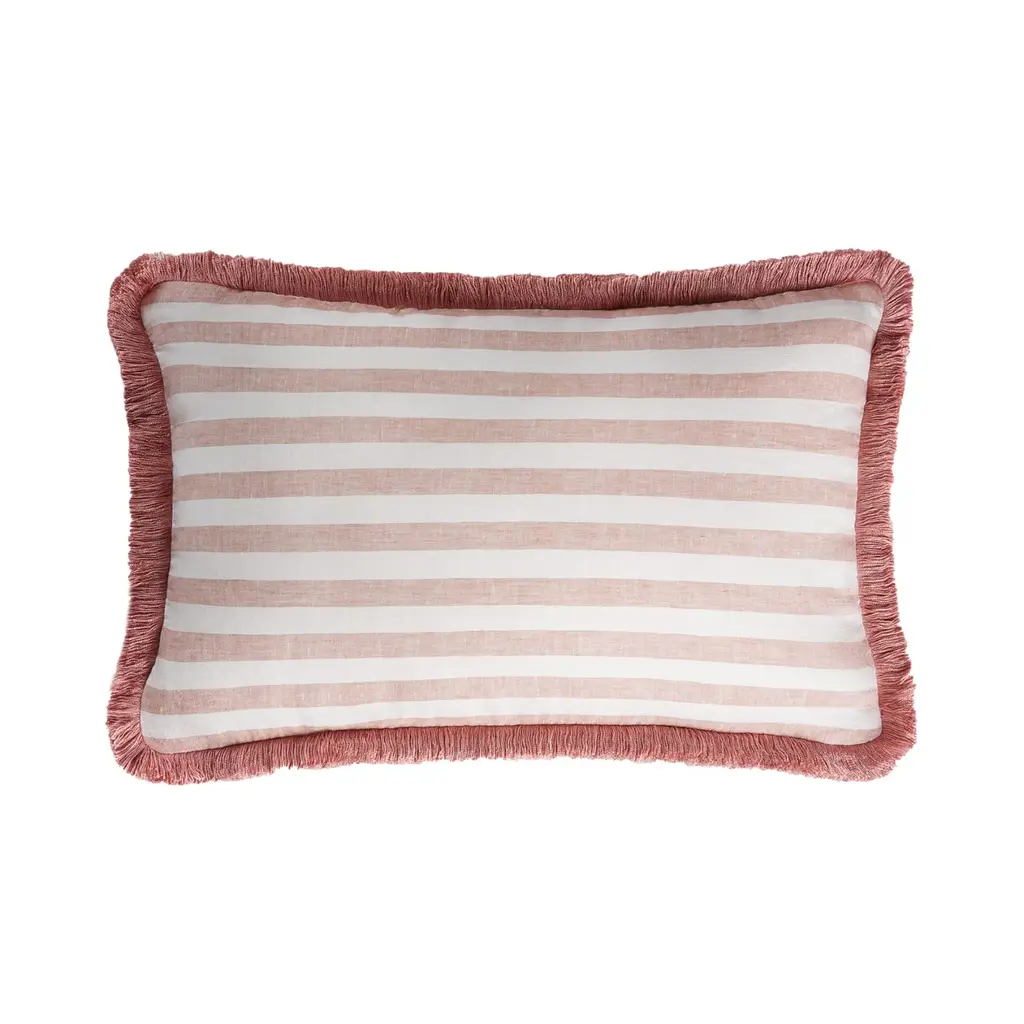
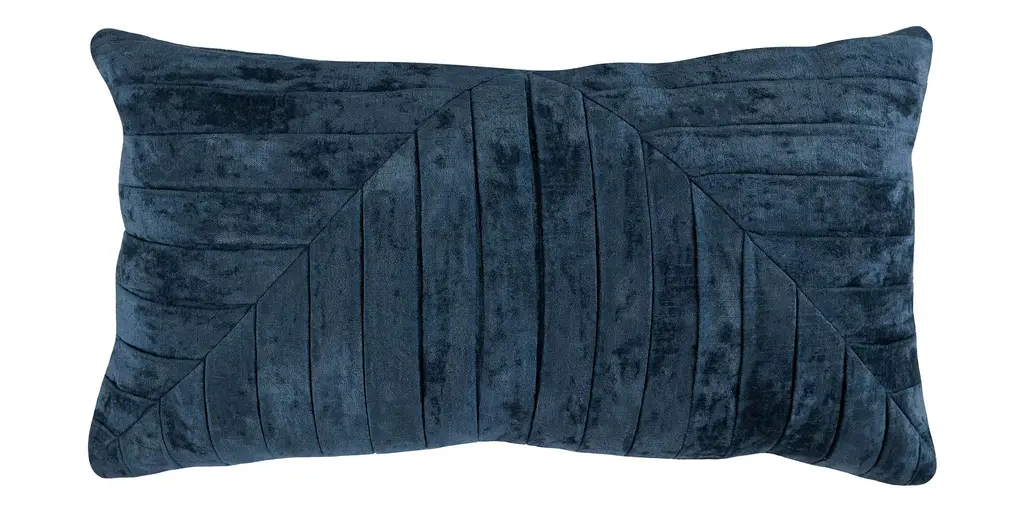
A lumbar pillow is a rectangular pillow, typically around 14x20 or 12x24 inches, originally designed to support the lower back. In styling terms, placing a single lumbar in front of a pair of square pillows creates a layered, finished look that is hard to achieve any other way. If you are making one change to improve your current pillow arrangement, adding a lumbar is consistently the highest-impact upgrade.