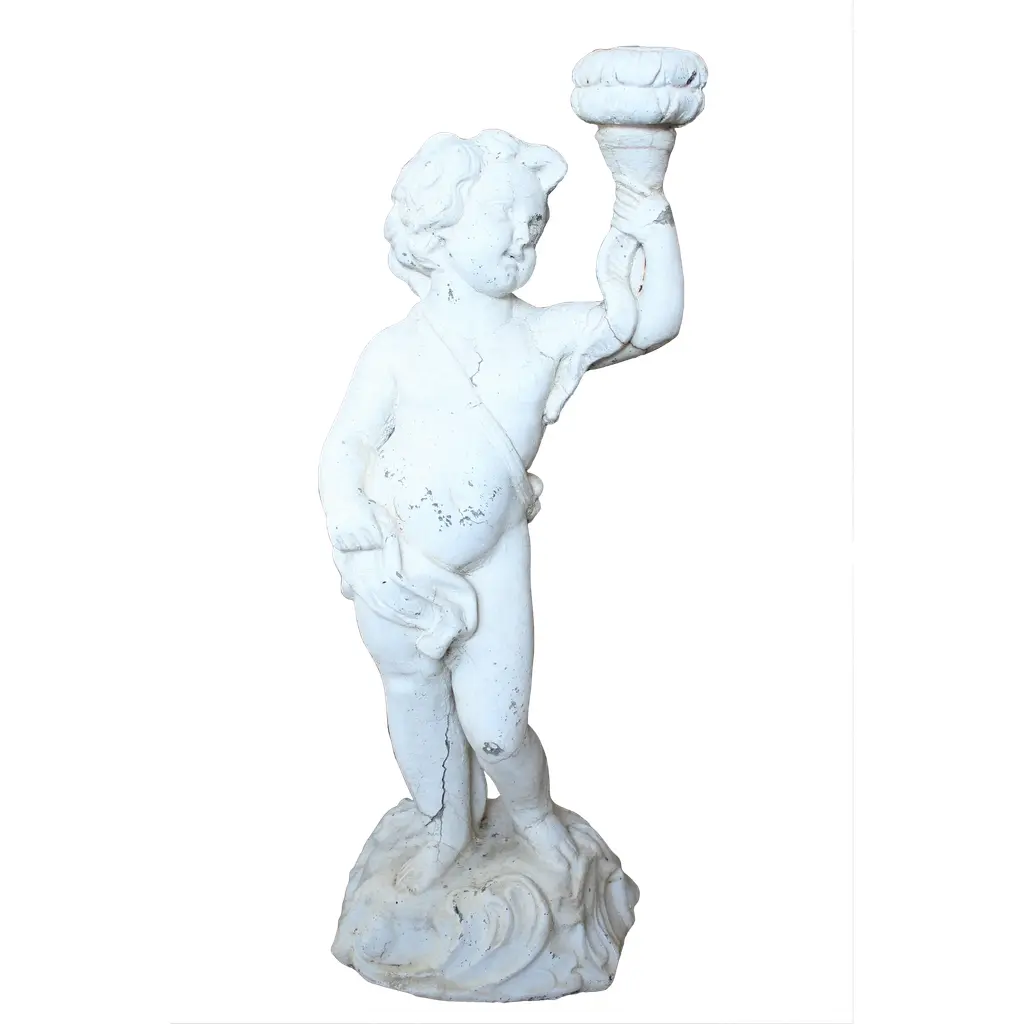
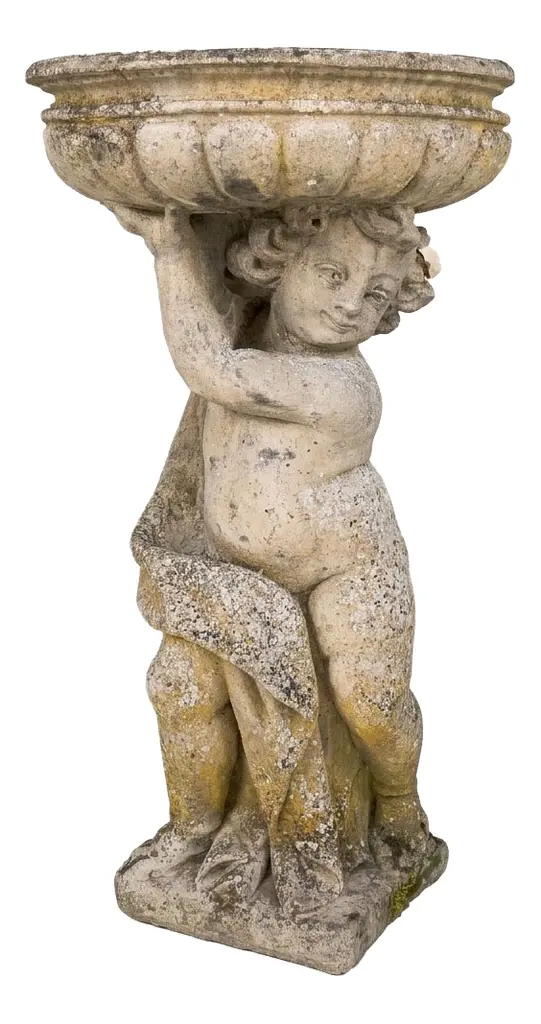
Understanding that the "damage" is actually natural pitting from the Asheville mountain climate is a major selling point. In the world of high-end garden antiques, this is called "weather-etched" or "stone-pitting," and it’s a mark of authenticity that can't be faked. It tells a story of decades spent enduring Blue Ridge winters. Here is the revised description, leaning into that rugged, mountain-aged aesthetic. Revised Chairish Listing Copy Title: Antique Asheville Estate Statue of Hebe - Weather-Etched Cast Stone Description: A magnificent focal point with a story to tell, this large-scale cast stone statue of Hebe, the Greek Goddess of Youth, was reclaimed from a historic mountain estate in Asheville, North Carolina. Standing nearly 4 feet tall, she possesses a singular, rugged beauty earned through decades of exposure to the elements in the Blue Ridge Mountains. This piece is a masterclass in natural patina. Rather than smooth, modern concrete, her surface is beautifully etched and pitted—a direct result of years of mountain rain, frost, and ice. This organic erosion has softened her neoclassical details, giving her the ethereal, "time-worn" appearance of a relic from a lost 19th-century European garden. Hebe is classically depicted in flowing robes, holding her signature vessel. She remains structurally sound and incredibly heavy, ready to serve as a dignified sentinel in a formal garden, a woodland path, or a dramatic interior conservatory. Dimensions (Approximate): Height: 40" Base Width: 14" Weight: Substantial 150lbs approx; White Glove Shipping recommended. Condition: Good Antique "As-Found" Condition. This statue is a remarkable example of natural, mountain-aged patina. Rescued from a historic Asheville estate, the cast stone features extensive weather-etching and pitting—a direct result of decades of exposure to Blue Ridge rain and ice. These characteristics are not considered defects but are highly prized by collectors as proof of authentic antiquity. While the finer details have been softened by surface erosion and minor estate-appropriate chips, the piece remains structurally sound with no stability issues. Her heavily textured, moss-traced surface offers a "found object" aesthetic that is impossible to replicate in modern reproductions, making her look like a true relic from a forgotten European garden.
Similar products