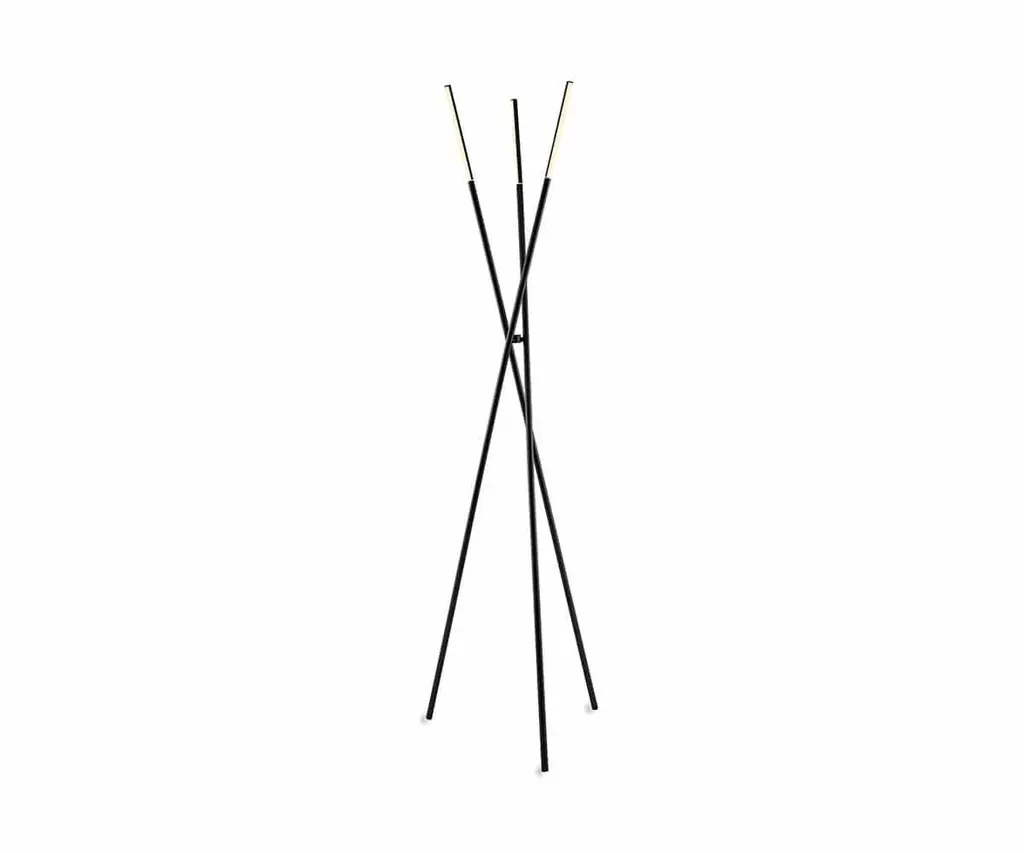
Stecco Floor Lamp Designed By Nestor Perkal For Oscar Maschera
$3,402
1st Dibs
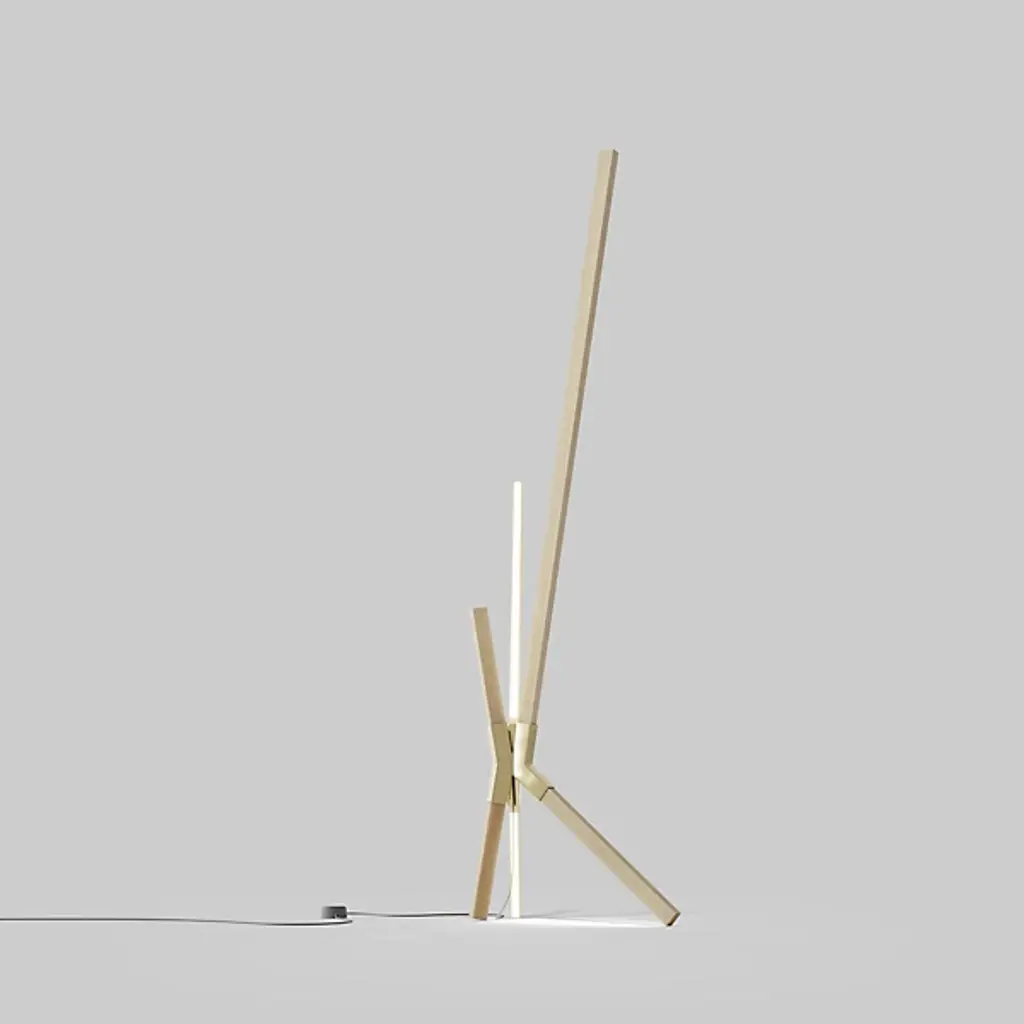
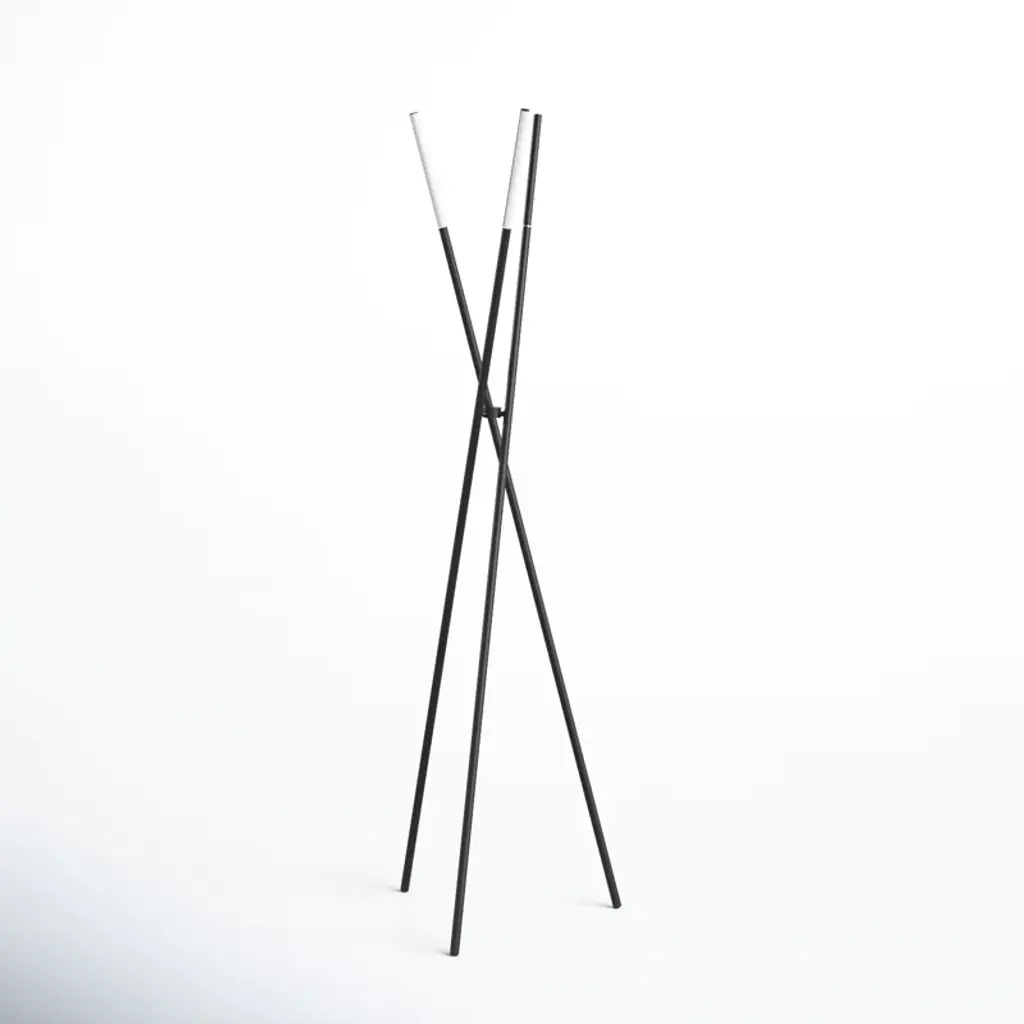
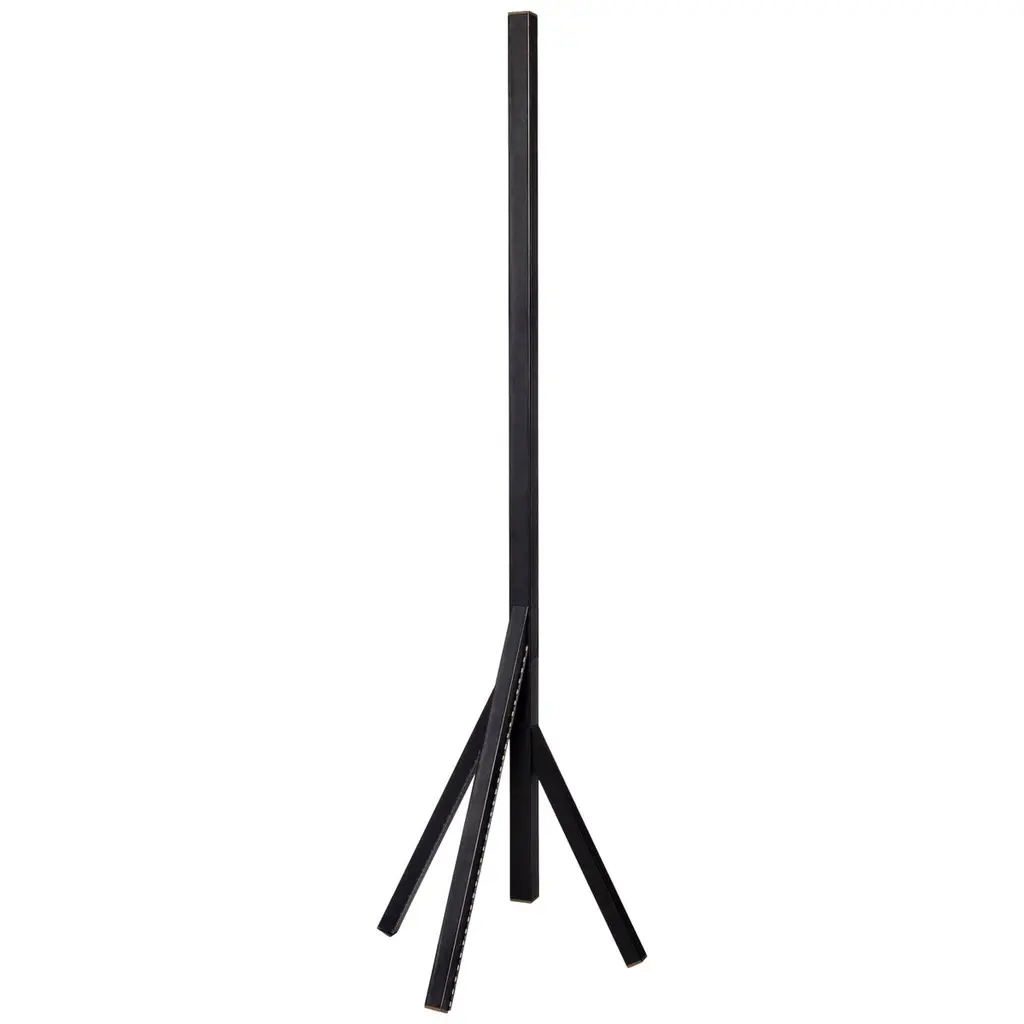
Stecco is a truly unique lamp.Its slender twiggy shape immediately brings to mind a species from the insect world. Some people, upon seeing the whittled structure of the first prototypes, immediately thought of the stick bug, stecco in Italian, with its long, thin body that mimics the shape of the stem it sits on. Hence, its name, Stecco. This lamp is the evolution of an object with a painted wooden structure and a fluorescent bulb created to be a lighting element for the set of the “In Progress” exhibit at the Musée du Grand-Hornu, in Belgium in 2010.The Stecco floor lamp was created starting from an aluminum frame, entirely hand covered in vegetable tanned leather available in ten sophisticated colors. The lamp uses 12 volts LED lighting which can be adjusted using a touch dimmer switch built into the frame. Unlike the stick-bug, an adept mime which blends in with its surroundings, Stecco proudly stands out from its surroundings. Its looms up in space, an elegant silhouette in any setting: a beacon that suffuses indirect lighting.Stecco cm 52 × 36 × 170 H.Aluminum frame, entirely hand covered in vegetable tanned leather available in ten colors.12 volts LED lighting which can be adjusted using a touch dimmer switch built into the frame.Nestor Perkal, born in Buenos Aires, lives and works in Paris.Though he trained as an architect, his work has always been oriented to design and interior architecture. In 1985, he founded an international design gallery in Paris, l’Espace Nestor Perkal, where he was among the first in Europe to show and sell pieces from the “New International Design” movement: Memphis Milano, Mariscal and many others.From 1987 to 1994, he was the artistic director of the goldsmith’s company Algorithme, where he invited many designers to work on edition projects that were highly successful in France and abroad. As a designer, he has collaborated with Drimmer, Lou Fagotin, Artcodif, Veronese, etc. At CIRVA (International Research Centre on Glass and Plastic Arts), he created the Miroirs collection in 1994-1996. As an interior architect, he has furnished the “café” of the Maison Européenne de la Photographie in Paris, different areas for Cartier and the Cartier Foundation for Contemporary Art, as well as many private apartments and houses. He has been the curator and scenographer of exhibitions held at the Cartier Foundation (La vie en Roses, 1998), at the Galerie Chez Valentin, Paris (“chez Valentin 2000”), at the Passage de Retz (Paris, 2000), at the Museum of Contemporary Art of Rochechouart and at the Grand Hornu in Belgium for the exhibition Désirs d’Objets (2003-2004) and at the Museum des Arts Décoratifs, Paris for the exhibition Editer le design (2006) and 100% Finlandia (2008). He has been the director of the Research Centre on the Arts of Fire and Earth (CRAFT) of Limoges (1993 – 2009), developing strong and lively projects aimed at creating an experimental and artistic connection between industrialists and designers, architects and artists.
Similar Items