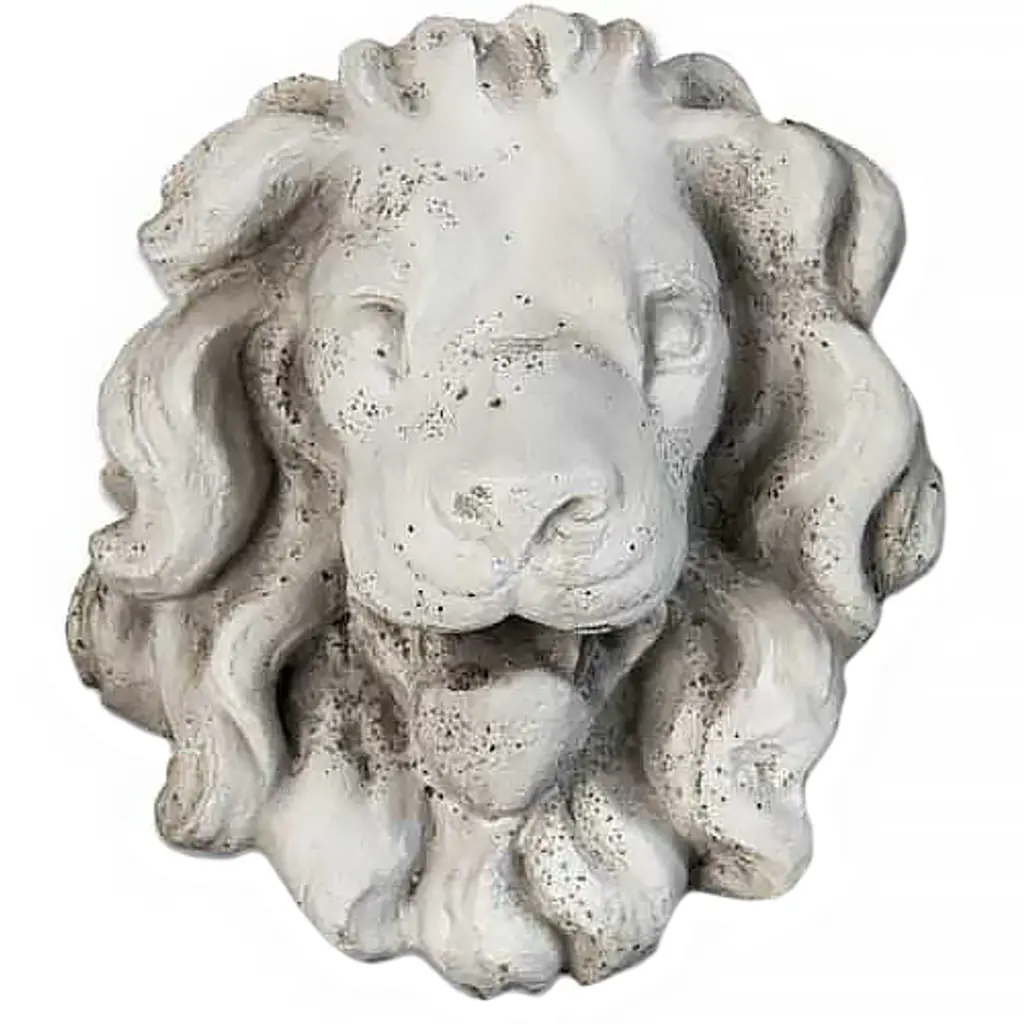
Victorian Renaissance Revival Lion Fountain Outdoor Spout Finial Sculpture British, Circa 1890
Chairish$4,000
Victorian Renaissance Revival Lion Fountain Outdoor Spout Finial Sculpture British, Circa 1890
Chairish$4,000
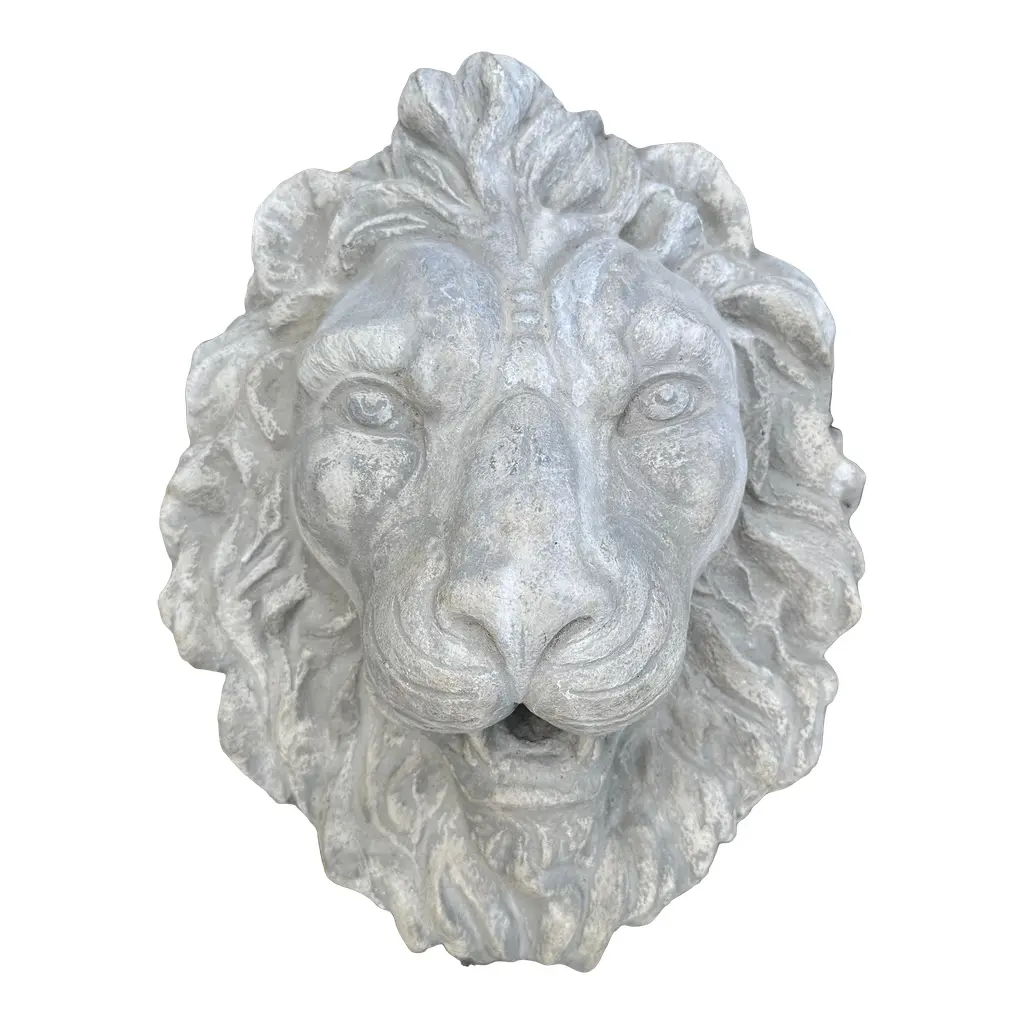
Rare Victorian Renaissance Revival Lead Lion Fountain Spout Finial British, circa 1890 Cast in solid lead, this powerful sculptural mask represents the Victorian reinterpretation of Renaissance ornament. Originally conceived as a fountain spout, water would once have flowed dramatically from the lion’s mouth, animating its bold expression. The deeply modeled brow, flame-like mane, and prominent muzzle display both naturalistic vigor and stylized rhythm — hallmarks of the Renaissance Revival aesthetic. Heavy weighing 13.5kg (30 lbs), the piece bears the noble patina of weathered lead, a material favored for its permanence and gravitas. Dimensions: Height 13.8 in (35 cm) Width 11 in (28 cm) Depth 5 in (13 cm) Provenance: Private Shire estate garden, United Kingdom. A rare survival of Victorian Renaissance Revival craftsmanship, uniting symbolism, functionality, and enduring presence. Rare Antique Victorian Lead Lion Finial – Renaissance Revival Garden Fountain Spout, c.1890 A striking 19th-century British lion head sculpture, cast in solid lead and originally designed as a fountain spout. With its commanding expression, flame-like mane, and architectural presence, this piece embodies the power and symbolism of the Renaissance Revival. Authentic 19thC Architectural Ornament Heavy Solid Lead (13.5kg / 30 lbs) Rich Weathered Patina & Historic Character Versatile Scale for Garden, Wall, or Interior Display Provenance: Private Shire Estate, United Kingdom Secure this original 19th-century lion finial today — a collectible piece of Victorian history with enduring decorative power.
Similar products