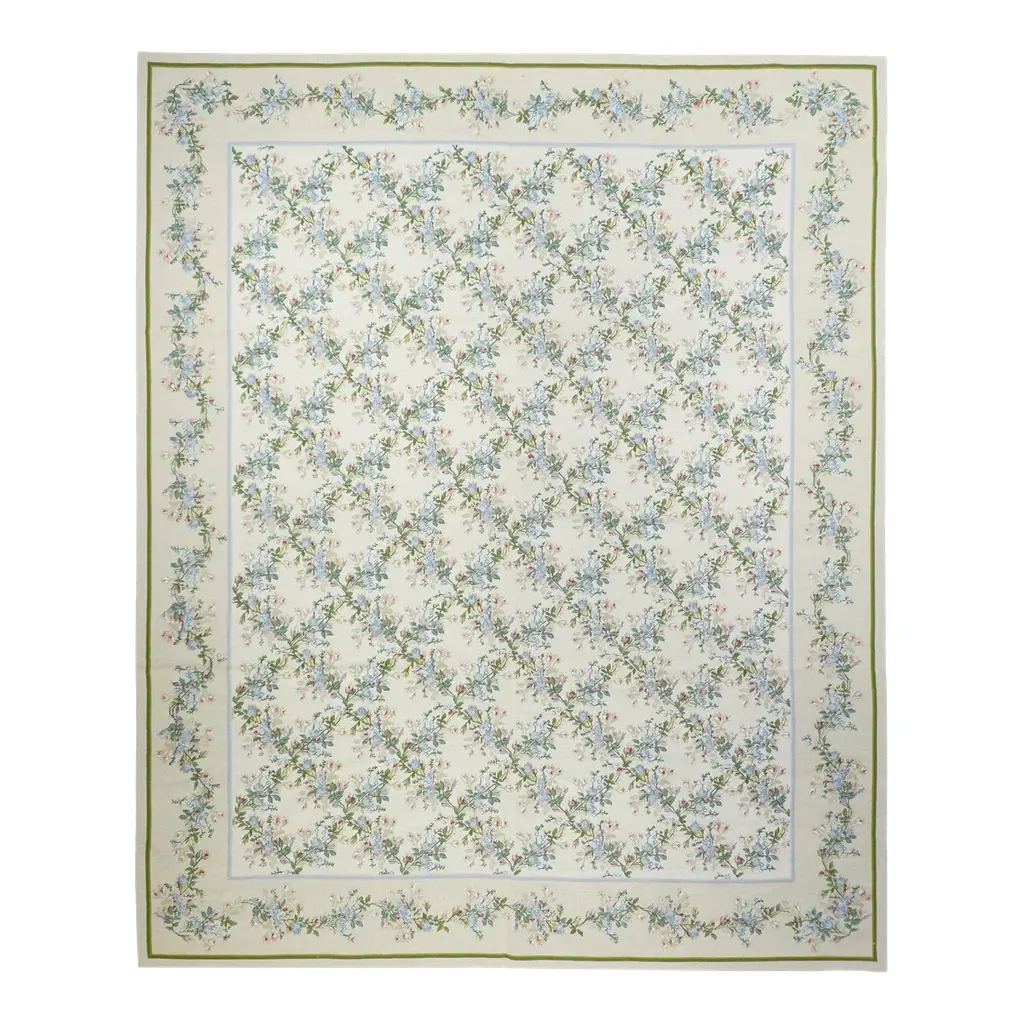
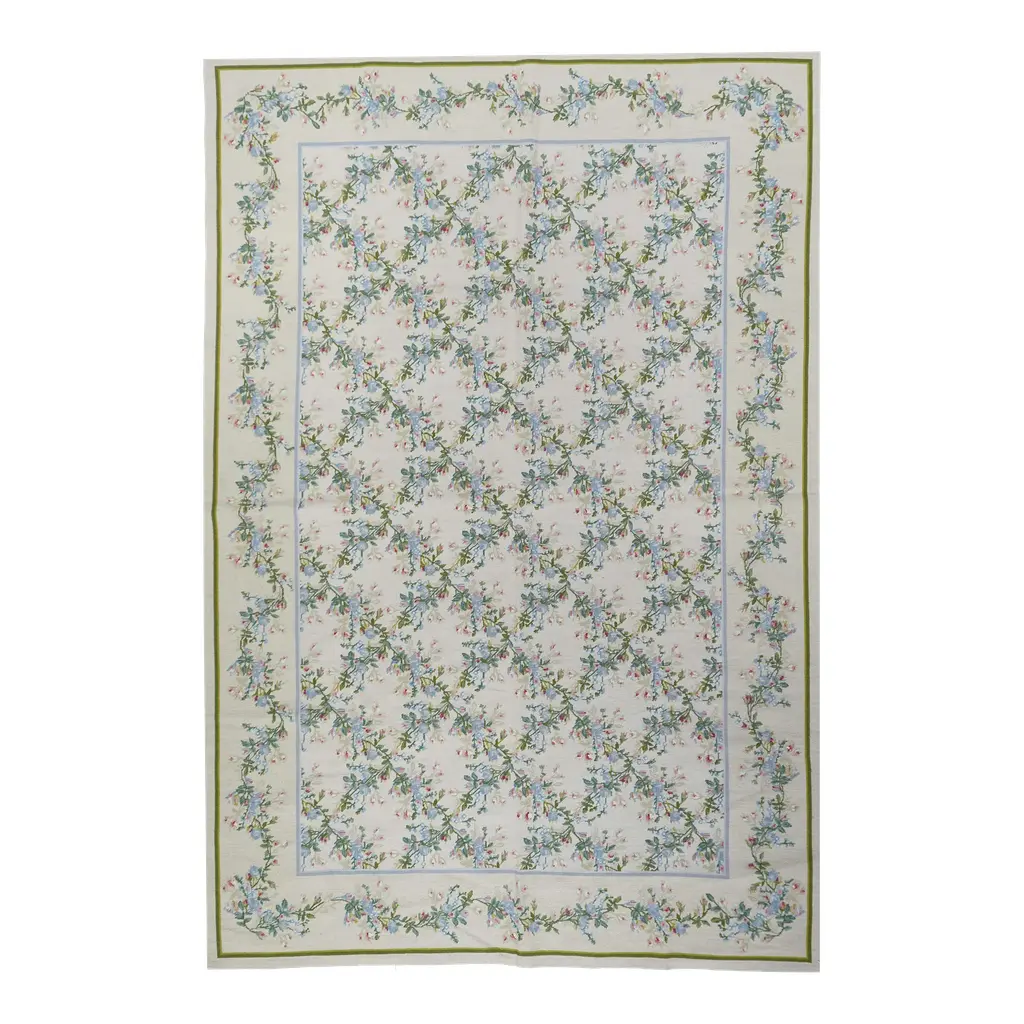
The Fascinating History of Needlepoint Rugs Needlepoint rugs were created using the traditional needlework weaving technique that is used to make everyday items from furniture to carpets and artwork. However, it has a fascinating history both as a hobby and as an industry. When many people think of carpets, they think of pile carpets or flat weave kilims, but needlepoint has also been used to create beautiful carpets. These carpets are durable and an important part of carpet history. Ancient Roots Of Needlepoint Rugs Archaeologists and scholars consider the roots of needlepoint to have been around 1500 BC. They consider the first needlepoint to include the fine diagonal stitches that were used to sew tents together by the ancient Egyptians. The art eventually evolved into tapestry weaving. However, a tapestry weaving differs significantly from needlepoint in that it uses a loom and vertical warp. Tapestry weaving is closer to the weaving of kilims and pile rugs than canvas work. However, some still include tapestry weaving in the category of needlepoint because of the fine work that appeared during the late Renaissance. It can have a similar appearance to the untrained eye. Technically, tapestry weaving and needlepoint are not the same, and they do not use the same technique.
Similar products