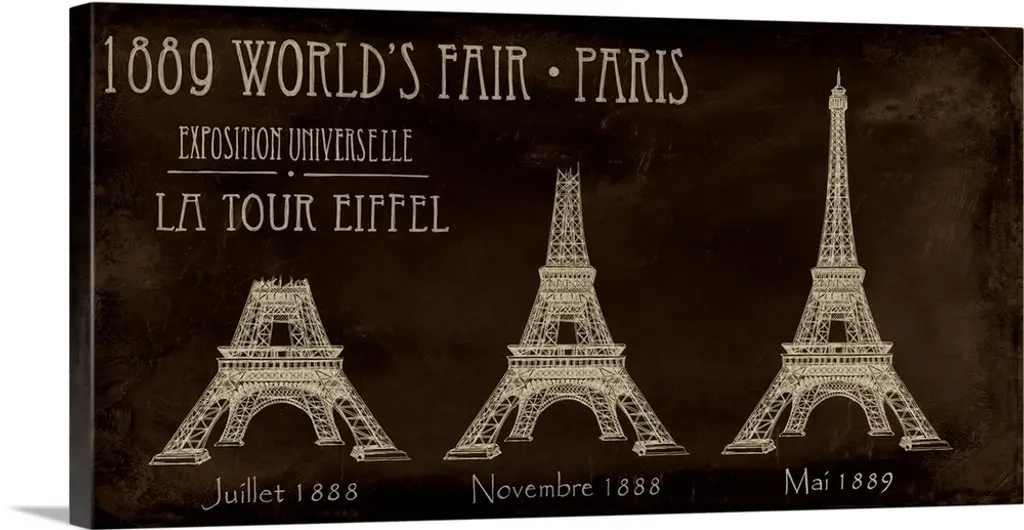
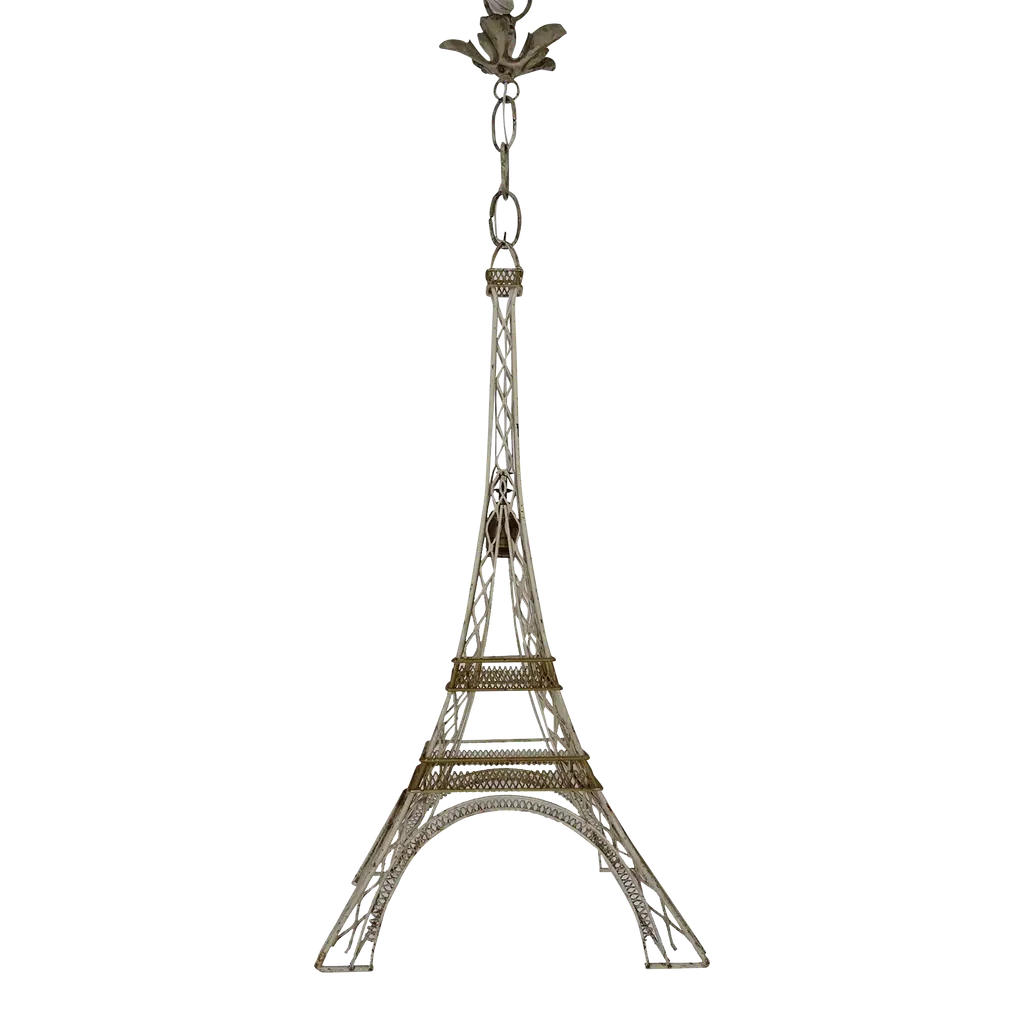
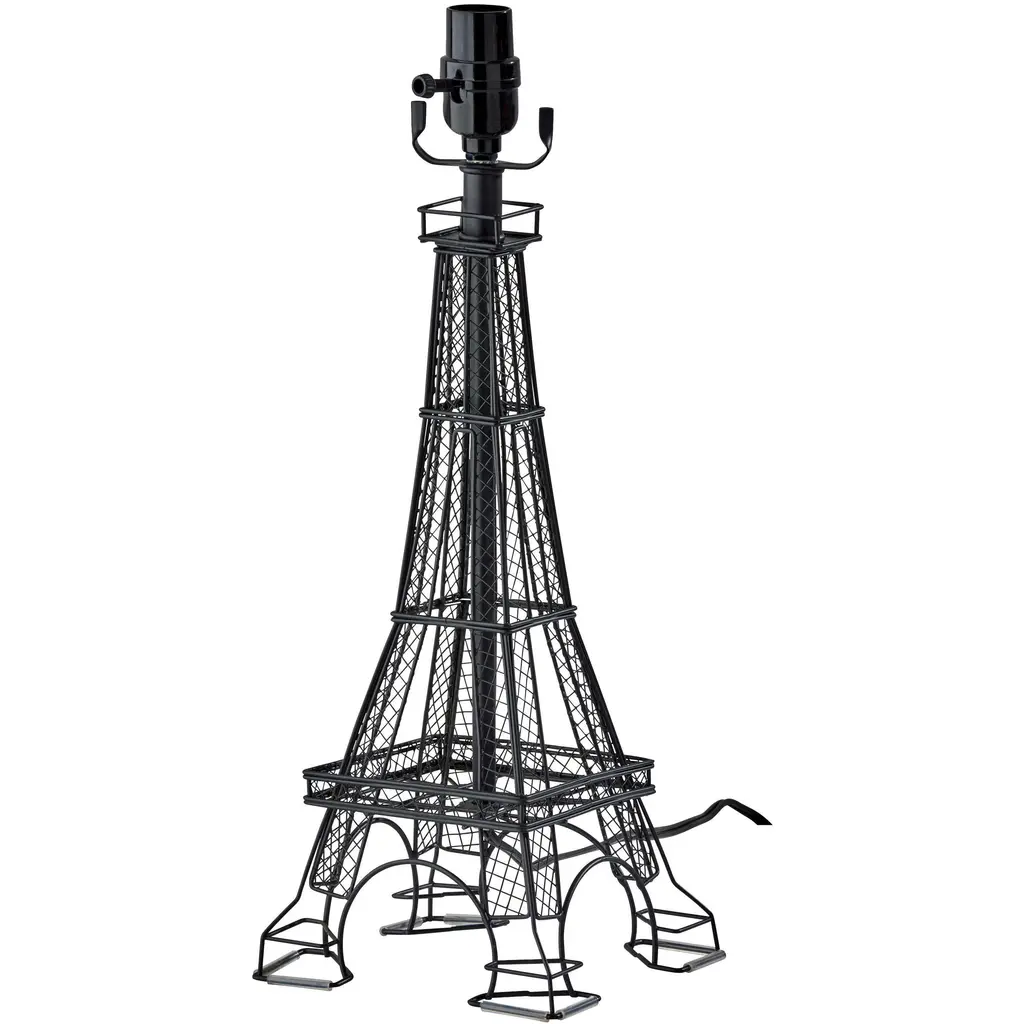
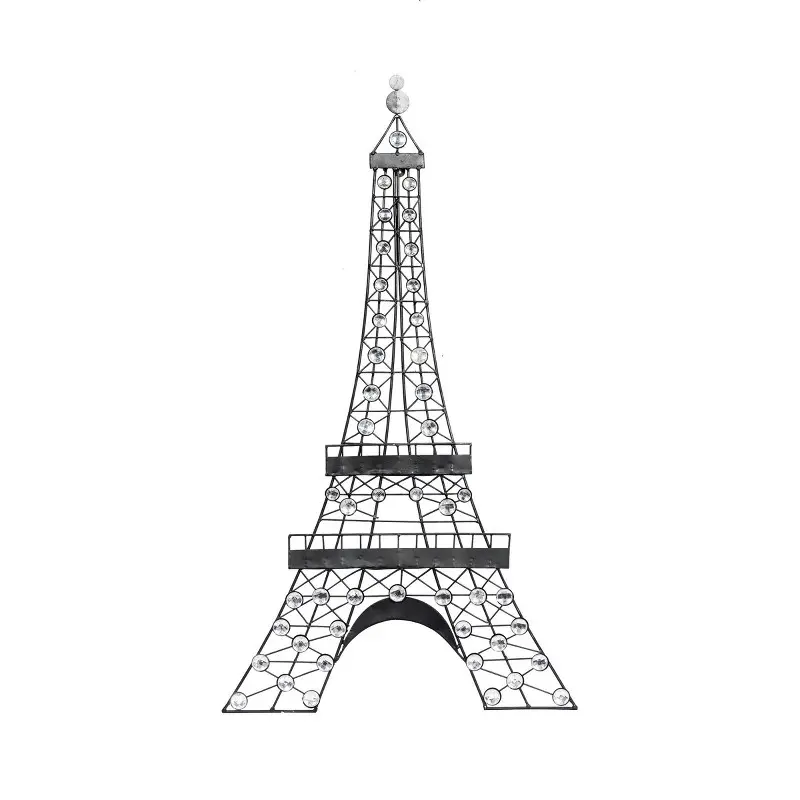
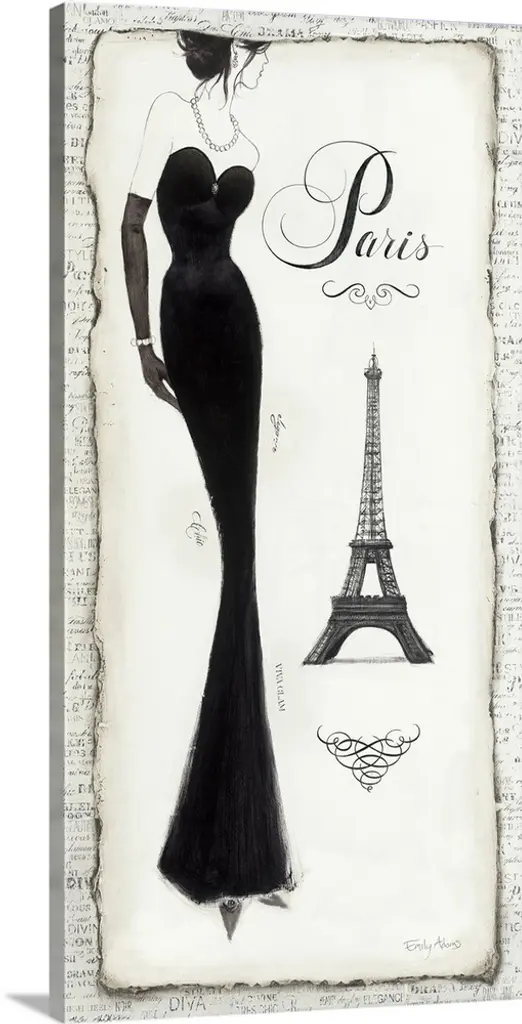
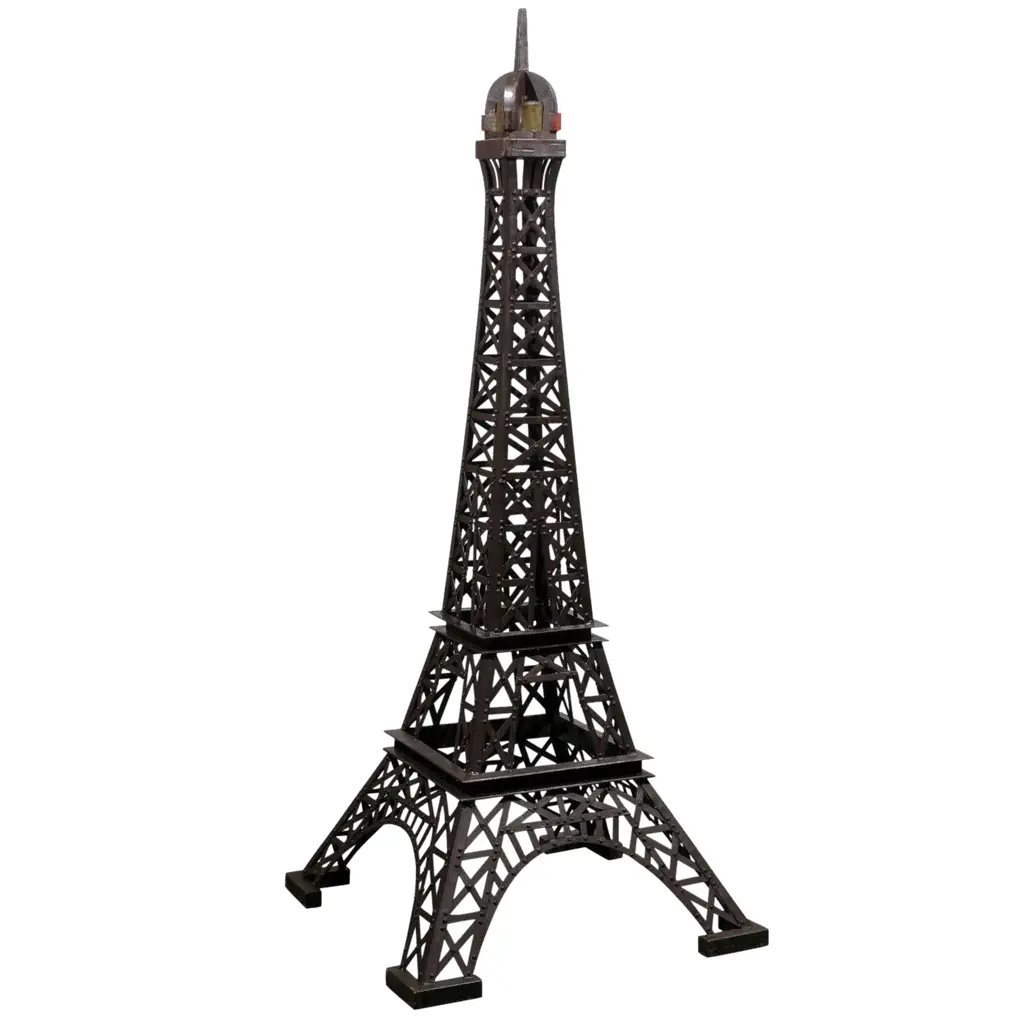
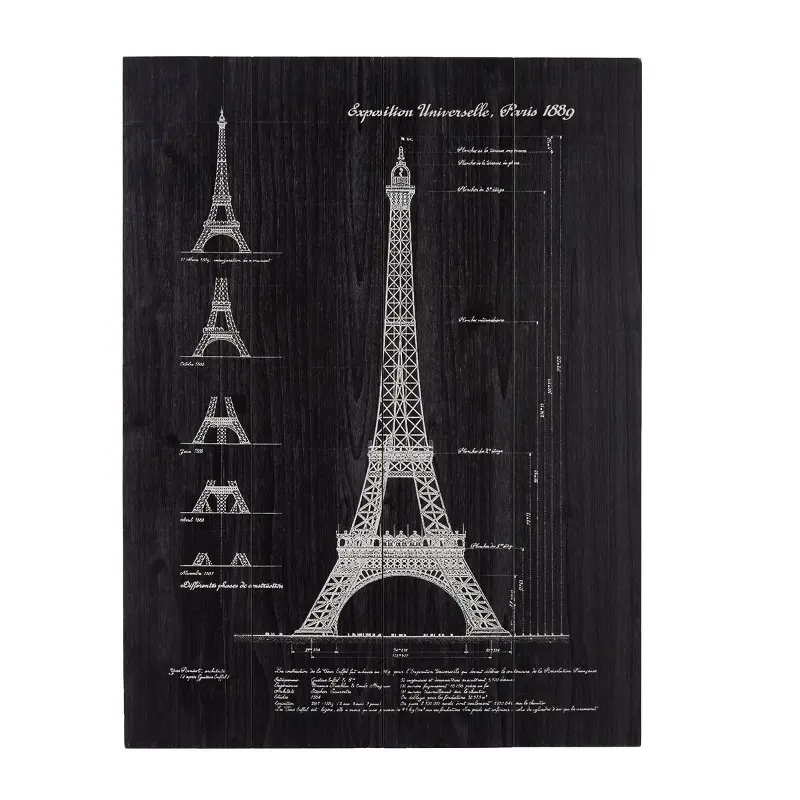
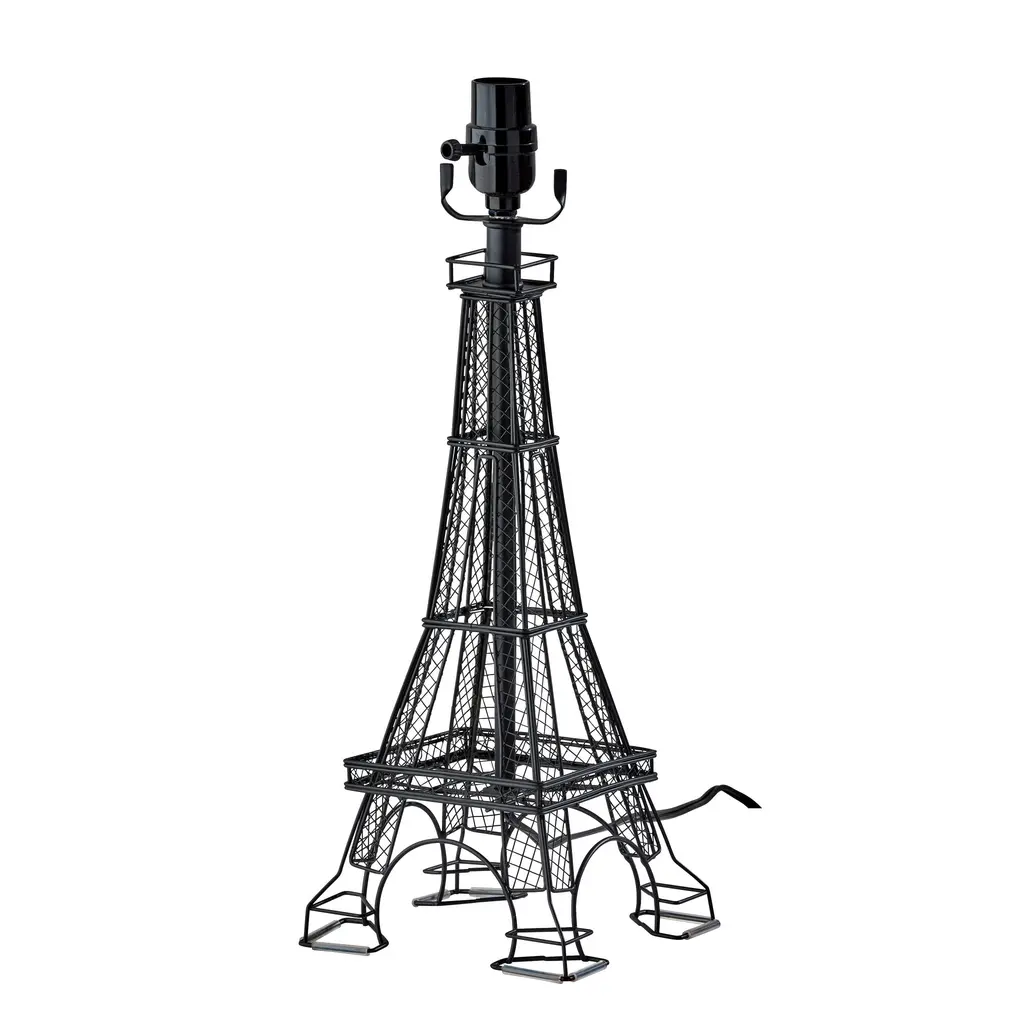
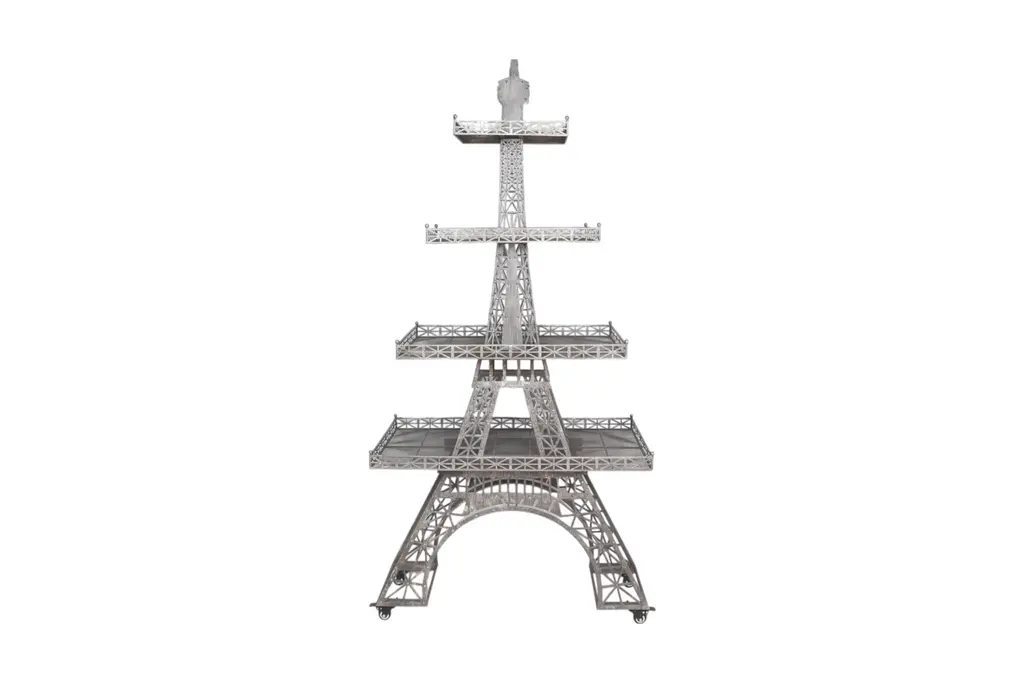
A sculptural etagere, shaped to give the look of the Eiffel Tower. The metal lattice frame supports four rectangular shelves, each with a fence like gallery rail, and ball finial topped corners. Moves easily on wheel castors with locking breaks. The Eiffel Tower (or the Tour Eiffel in French) is located in the Champ de Mars, a public park on the banks of the Seine River, in the 7th arrondissement of Paris, France. One of the most visited landmarks in the world, it was once also the tallest structure ever built. At the time of its completion in 1889, its 984 feet (or 300 meters) far surpassed the height of the reigning tallest structure, the Washington Monument, which rises 554.5 feet (or 169 meters). The Eiffel Tower held the title of tallest structure for 41 years; the Chrysler Building in New York surpassed it in 1929. Named after the engineer Gustave Eiffel, whose company designed and built the tower from 1887 to 1889, the Eiffel Tower was designed not just with artistry in mind, but rather as a mathematical equation to resist the wind pressure, with the weight balanced between the four sections so it wouldn’t topple over. Eiffel’s company also built the iron framework for the Statue of Liberty, dedicated on October 28, 1886. According to Yeatman-Eiffel, the vice president of the Association des Descendants de Gustave Eiffel, Gustave Eiffel always called the tower the Tour de 300 Mètres, or the 300-Meter Tower. Originally constructed as the centrepiece of the 1889 World's Fair, and to crown the centennial anniversary of the French Revolution, the tower has been used to commemorate different events over the years, including the 2024 Olympics. The Eiffel Tower antennae, which brings its current height to 1,083 feet (330 meters), transmits television waves and is the main antenna for the whole Paris region, delivering TV transmission to 10 million people.
Similar products