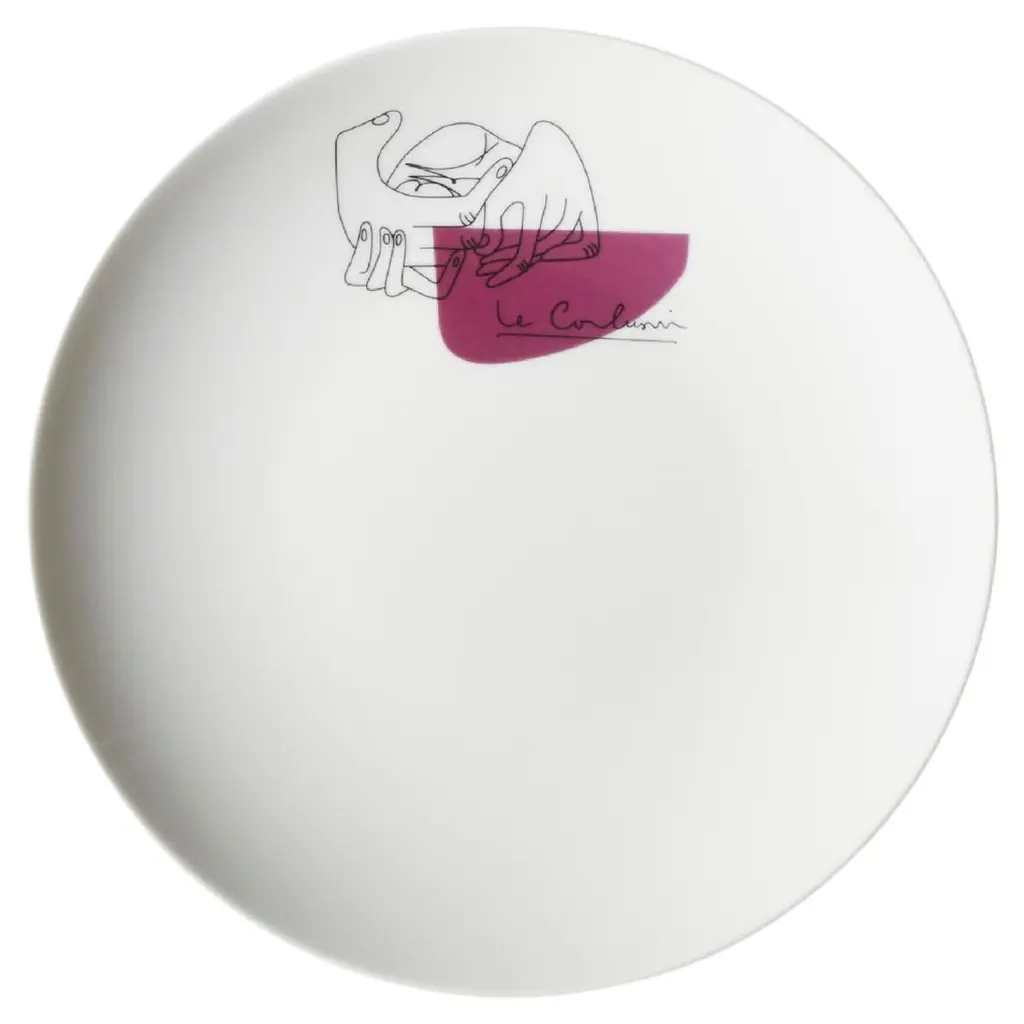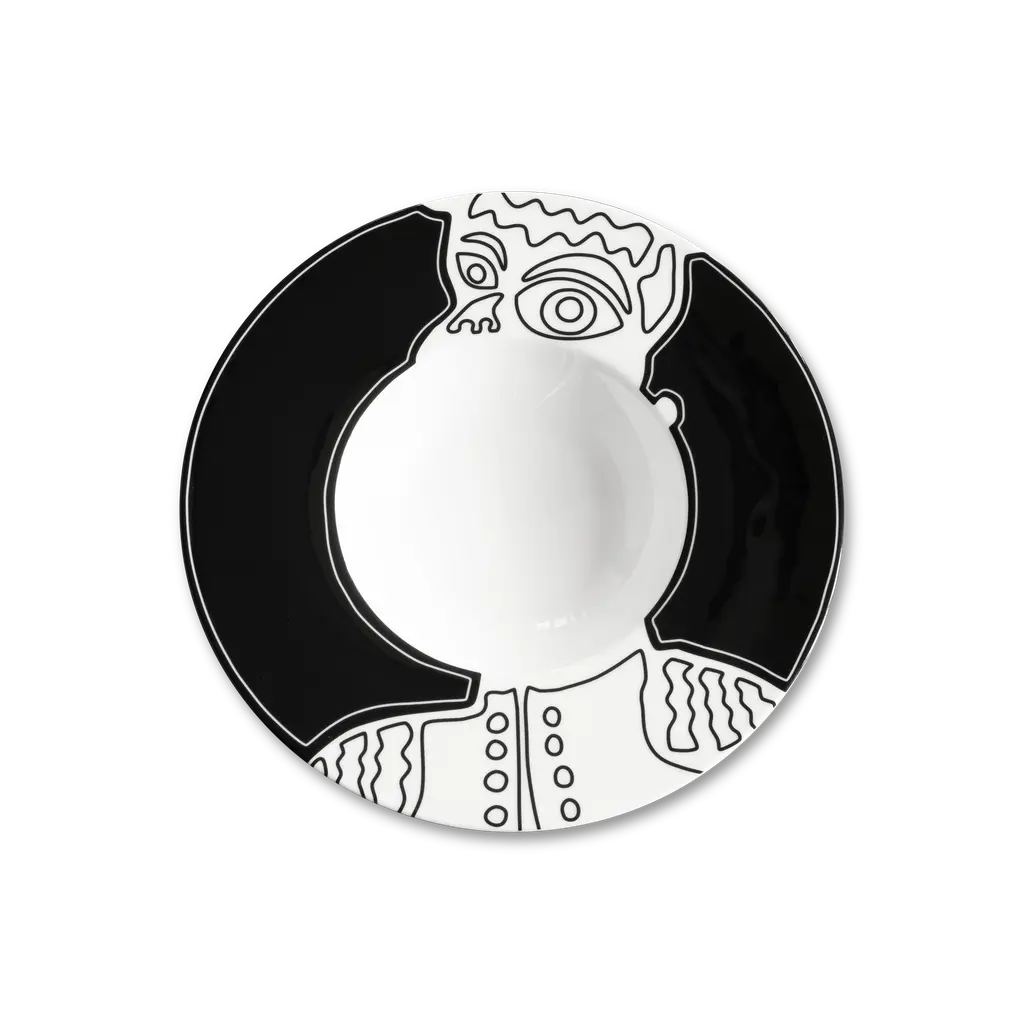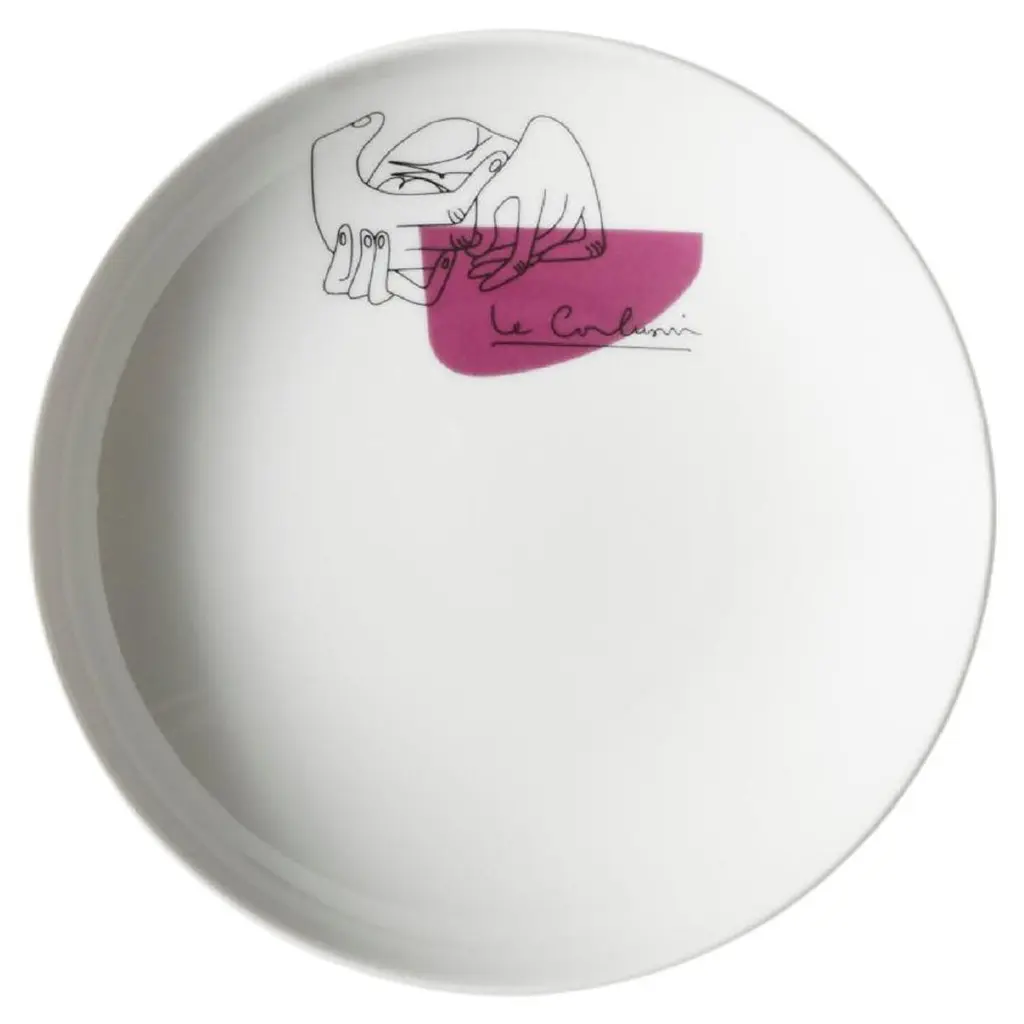
Le Corbusier Service Prunier Set Of Two Soup Plates For Cassina
$180
1st Dibs
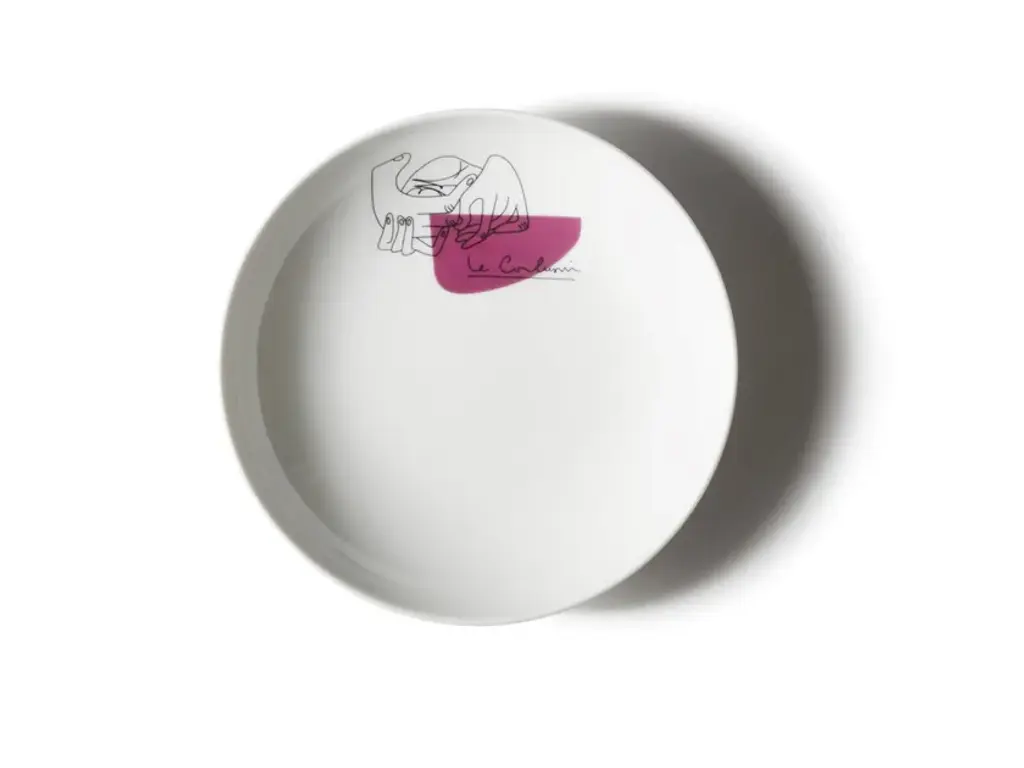
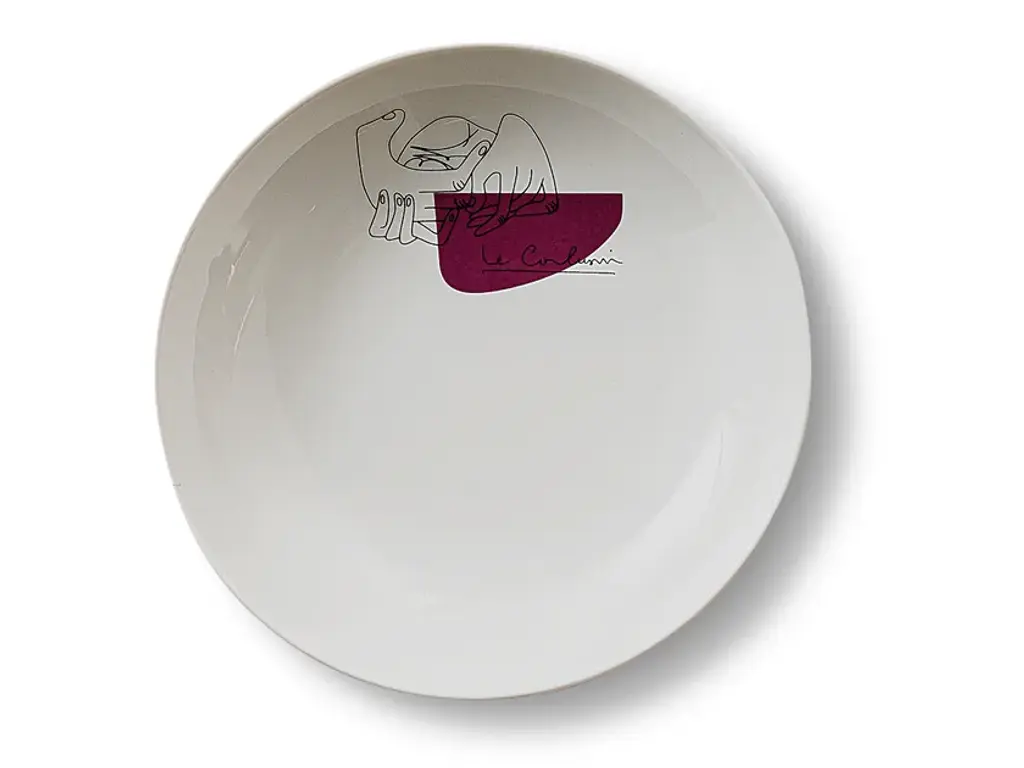
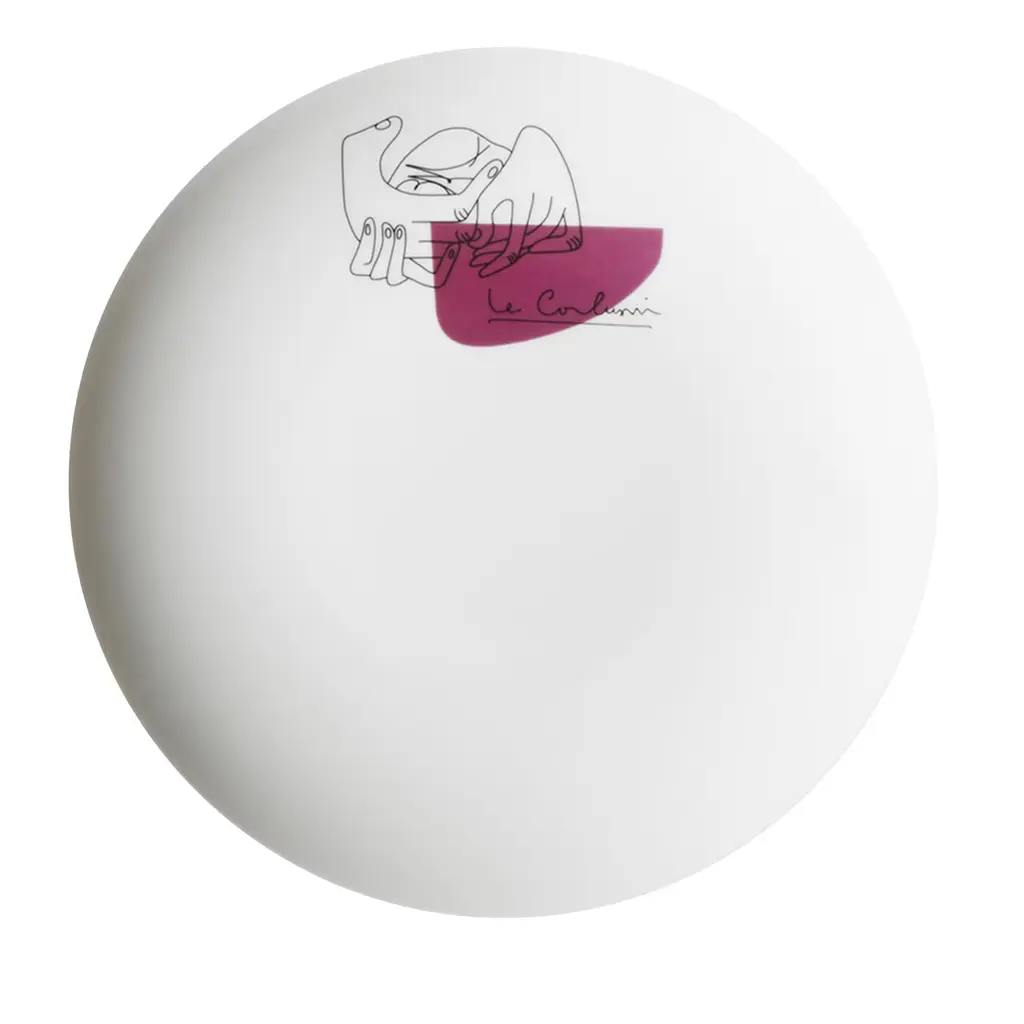
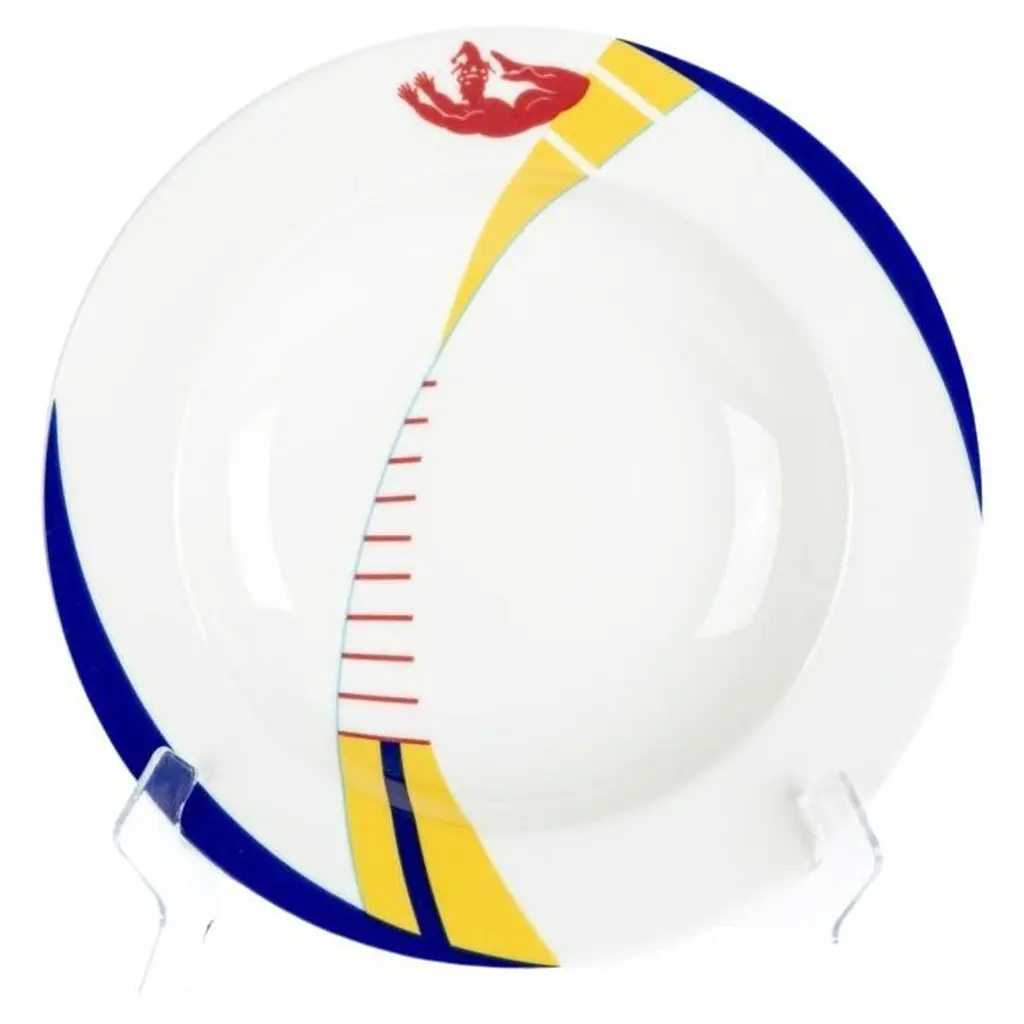
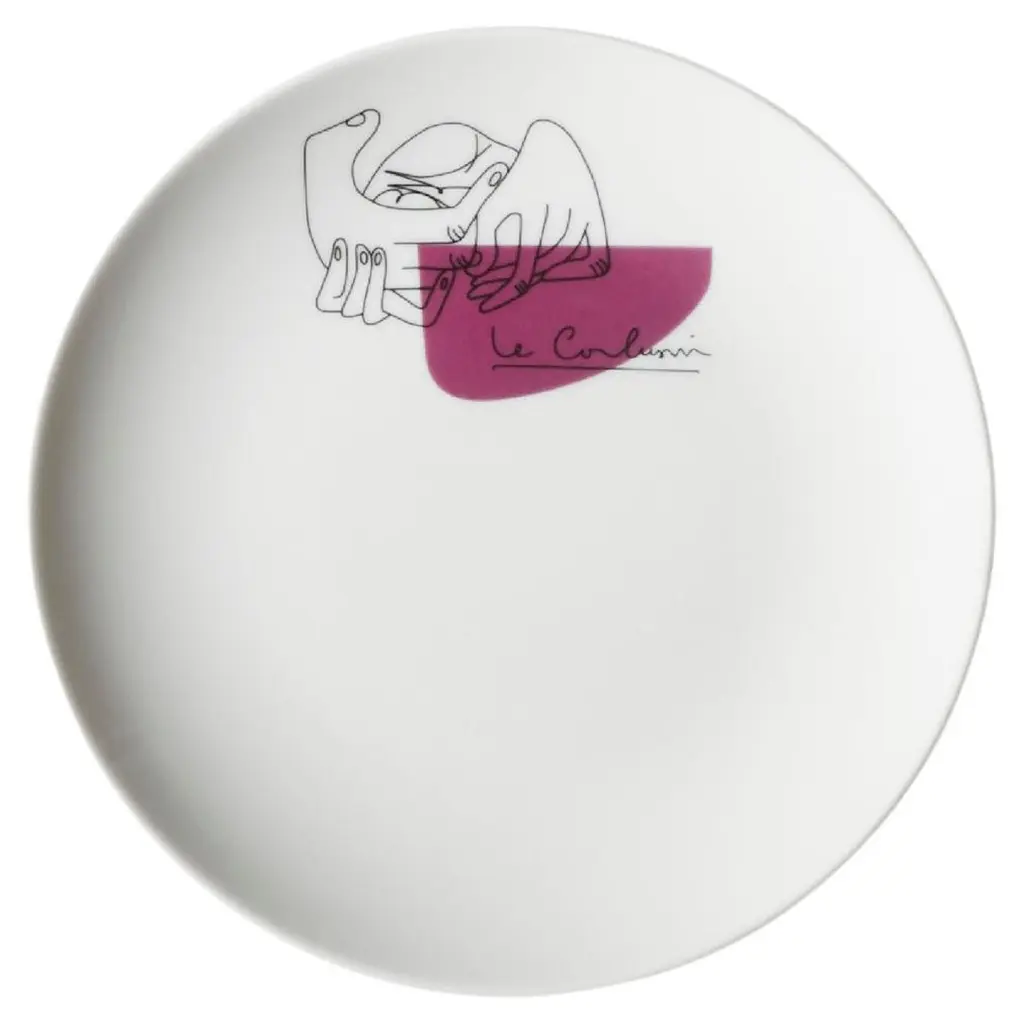
Le Corbusier Service Prunier Set of Two Soup Plates For Cassina The tableware collection by Le Corbusier, originally crafted for the Prunier restaurant in London, was revisited by Cassina, thanks to its partnership with Richard Ginori; it remains true to the original design and invests great care in authenticity.Cassina in collaboration with Ginori 1735 and the Le CorbusierFoundationThe tableware, designed by Le Corbusier, was originally created forthe Prunier restaurant in London. In 1961, owner Madame Prunierasked Corbusier to design a collection of tableware for her restaurantwith the interlocking hands motif found on the bottom of the LesMains tapestry, which was designed by the Master in 1951 anddisplayed in a private room of the establishment. Le Corbusier usedthe plates himself which, as he loved to say, combined quality andtaste, or “the taste of forms”. In collaboration with Ginori 1735, Cassinahas reissued the tableware with full respect for the original project,paying close attention to and focusing on its authenticity. ServicePrunier includes a plate, soup dish, dessert plate and coffee cupwith saucer and is made of white porcelain, like the model, with LeCorbusier’s original design applied by hand.Materials:White Porcelain, design applied by handTableware.Diner plate 27cm diameterSoup Plate 21cm diameterDessert Plate 20cm diameterCoffe cup 10cm With sauce 12.5cm Cassina in collaboration with Ginori 1735 and the Le Corbusier Foundation. The tableware, designed by Le Corbusier, was originally created for the Prunier restaurant in London. In 1961, owner Madame Prunier asked Corbusier to design a collection of tableware for her restaurant with the interlocking hands motif found on the bottom of the Les Mains tapestry, which was designed by the Master in 1951 and displayed in a private room of the establishment. Le Corbusier used the plates himself which, as he loved to say, combined quality and taste, or “the taste of forms”. In collaboration with Ginori 1735, Cassina has reissued the tableware with full respect for the original project, paying close attention to and focusing on its authenticity. Service Prunier includes a plate, soup dish, dessert plate and coffee cup with saucer and is made of white porcelain, like the model, with Le Corbusier’s original design applied by hand.Important information regarding images of products:Please note that some of the images show other colors and variations of the model, these images are only to present interior design proposals. The item that is selling is on the first image.Important information regarding color(s) of products:Actual colors may vary. This is due to the fact that every computer monitor, laptop, tablet and phone screen has a different capability to display colors and that everyone sees these colors differently. We try to edit our photos to show all of our products as life-like as possible, but please understand the actual color may vary slightly from your monitorAbout the Designer:Charles-Edouard Jeanneret, known as Le Corbusier, was born at La Chaux-de-Fonds, in the Swiss Jura, in 1887; he died in France, at Roquebrune-Cap-Martin, on the French Côte d’Azur, in 1965.Early in his career his work met with some resistance owing to its alleged «revolutionary» nature and the radical look it acquired from its «purist» experiments; in time , however, it won the recognition it deserved and it is still widely admired. His message is still being assimilated by an ever increasing number of people in the profession, but his far-out avant-garde attitudes should be interpreted with due consideration for the use of rational systems in his planning method, evidenced by extremely simple modules and formes based on the functional logic.«Functionalism tending not so much to an exaltation of the mechanical function at the expense of the symbolic, as to the rejection of symbol that he now considers outmoded and insignificant and the restoration of the pratical function as a symbol of new values»(¹)In his activities as town-planner, architect and designer, his method of research continued to develop, at times going to the opposite extremes of a rich plastic idiom.Instances of this are: Unité d’Habitation, Marseille (1946-52); the Chapel at Ronchamp (1950-55);the Dominican Monastery «La Tourette» (1951-56); the Centre of Zurich (1964-65) the Hospital in Venice (1965).Much the same commitment will be found in the furniture of the Equipement intérieur de l’habitation (tables, chairs, armchairs, sofas) designed for the Salon d’Automne, 1928, with Pierre Jeanneret and Charlotte Perriand and “Casiers Standard”, system of container units designed for the Pavillon of the Esprit Nouveau, 1925, with Pierre Jeanneret.Cassina reproposes this furniture considered “up-to-date”; its clear and essential “form” is highly adaptable to change in time and in environment, constantly providing new significance.(¹) G.C.Argan, Arte Figurativa in the Enciclopedia Universale dell’arte, vol. 1, col.About The Manufacturer:Established in 1927 by Cesare and Umberto Cassina in Meda, Italy, Cassina launched industrial design in Italy in the 1950s, based on a totally innovative approach that marked the transition from artisan production to mass production. With a mindset focused on research and innovation, Cassina combines technology and long-standing artisan craftsmanship. Memory, research, innovation. Cassina blends traditional skills and superior productivity, meticulous attention to detail and passion, uniqueness and experimentation, wellbeing and sustainability. Today, the company continues to address new lifestyles with the creation of complete, harmonious interior decor solutions that embody the best contemporary design for all areas of the home.
Similar Items