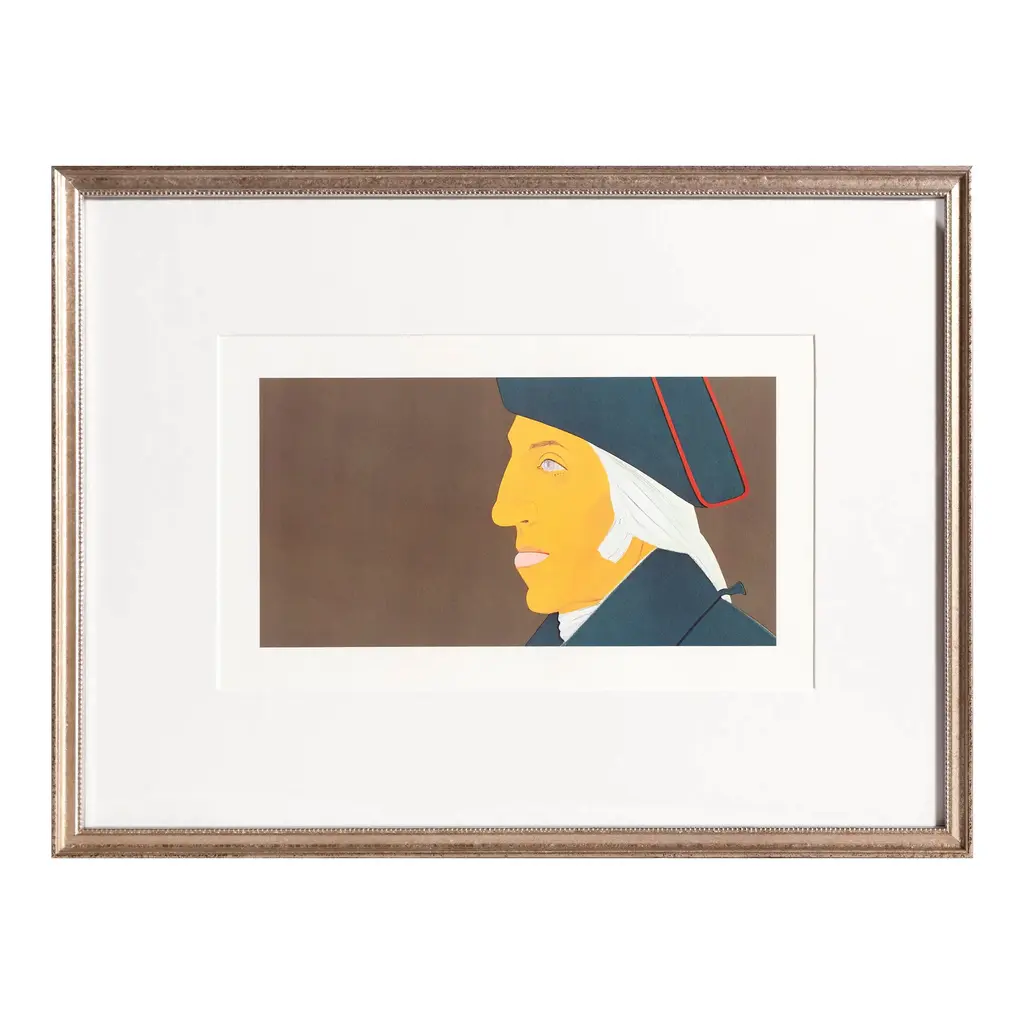
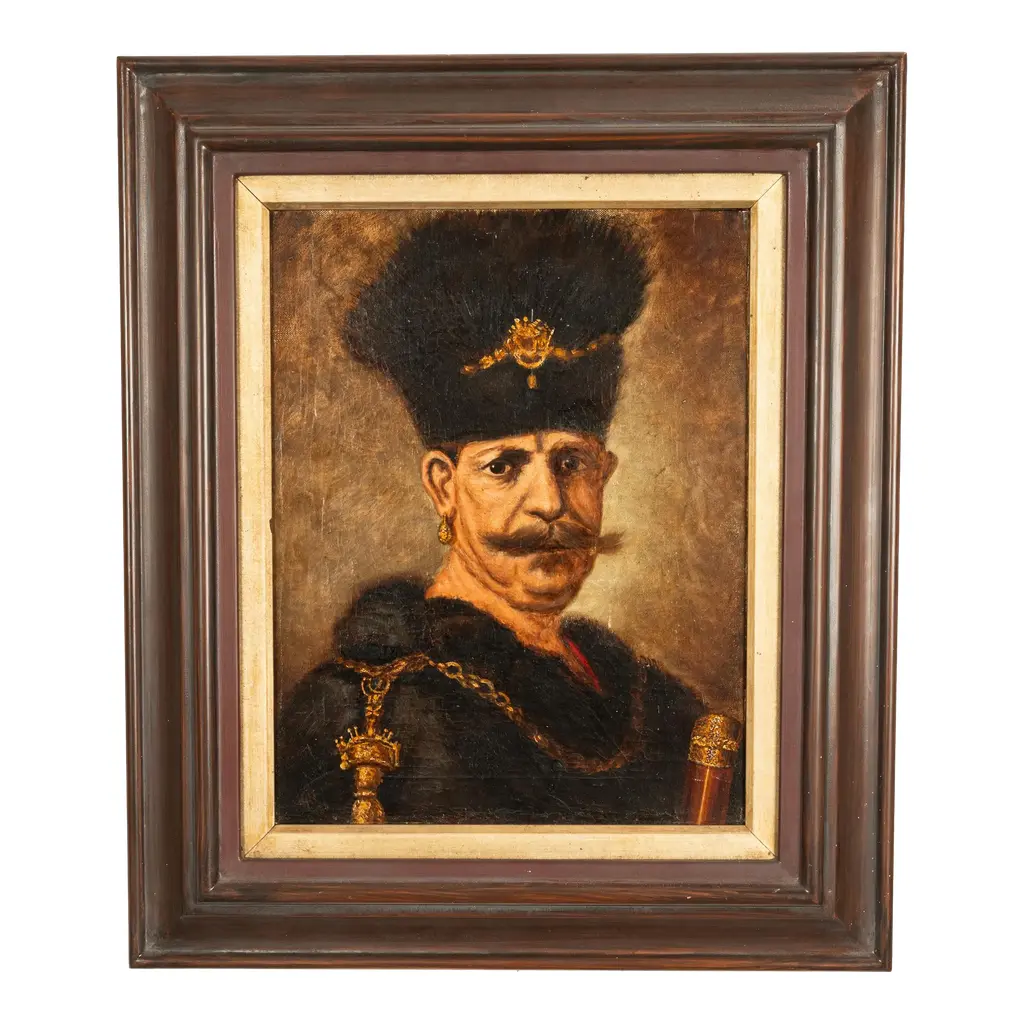
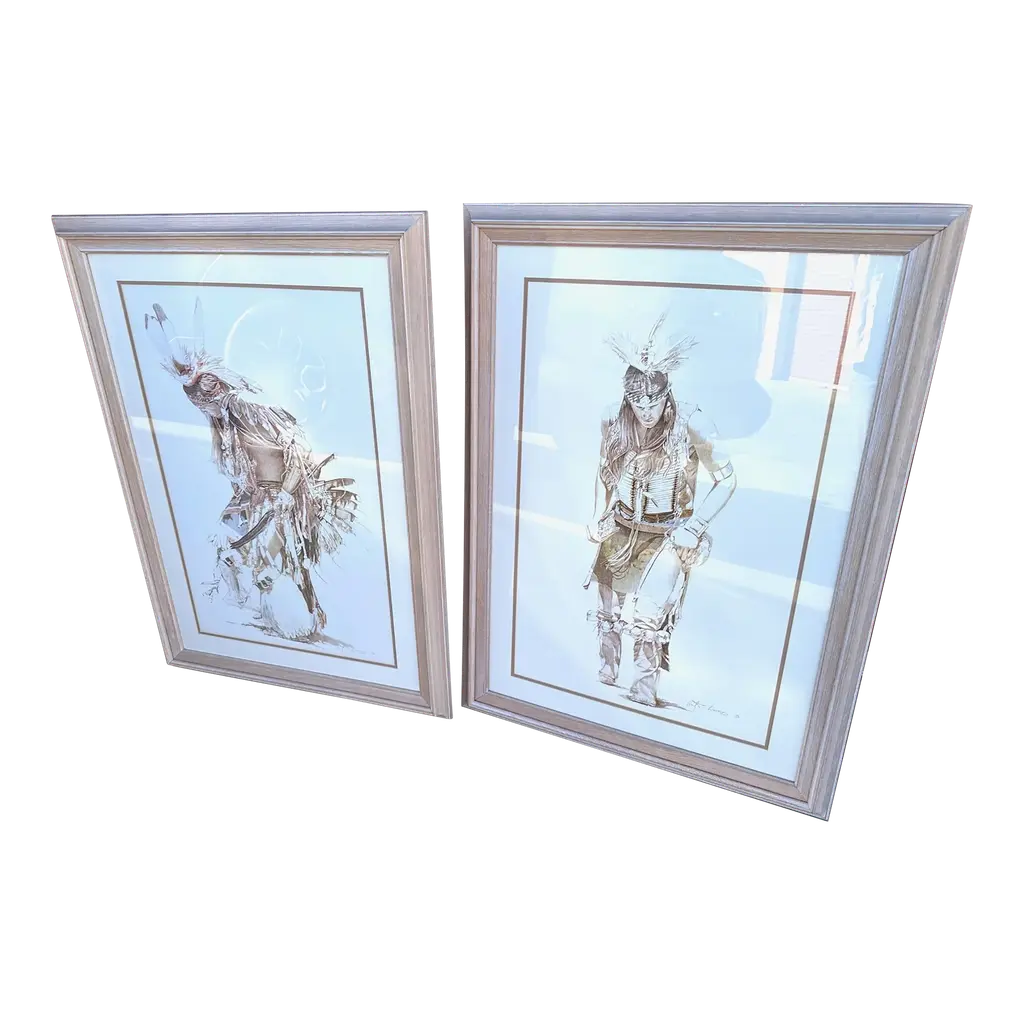
"Warmed by a Blanket" by Chad Neff Signed, titled & numbered by the artist in pencil This is an framed original limited edition etching by Chad Neff. The piece is pencil signed, titled and numbered 176/200 by the artist. Condition : has a few minor handling marks ( see photos) Year: circa late 1970s to early 1980s. Retail value is $250.00 unframed Chad Neff Chad Neff is an artist with excellent skills as a draftsman with pen, pencil, charcoal, or etchers needle. He was born in 1948 in San Antonio, and lives in San Marcos, Texas with his wife where he pursues his career as an artist. In addition to making prints in Jack Williss studio, he furnishes free-lance illustrations to such magazines as True West and does commission work from Texas to Europe. He travels while attending language schools with the army, has taken him from Boston to California and back to Texas. He is a University trained artist with a BFA from the University of Texas in Austin as well as having studied in other schools. He is relatively new at being a full time artist, having previously worked as a non-residential designer. He is currently working diligently to perfect his printmaking techniques, which have occupied his major interest since the winter of 1977. In keeping with his western motif, he is now working on a series of Southwest landscapes and wildlife. Etching Definition: Etching is traditionally the process of using strong acid or mordant to cut into the unprotected parts of a metal surface to create a design in intaglio (incised) in the metal. In modern manufacturing, other chemicals may be used on other types of material. As a method of printmaking, it is, along with engraving, the most important technique for old master prints, and remains in wide use today. In a number of modern variants such as microfabrication etching and photochemical milling it is a crucial technique in much modern technology, including circuit boards. In traditional pure etching, a metal (usually copper, zinc or steel) plate is covered with a waxy ground which is resistant to acid. The artist then scratches off the ground with a pointed etching needlewhere he or she wants a line to appear in the finished piece, so exposing the bare metal. The échoppe, a tool with a slanted oval section, is also used for "swelling" lines. The plate is then dipped in a bath of acid, technically called the mordant (French for "biting") or etchant, or has acid washed over it. The acid "bites" into the metal (it converts metal into salt solution and hydrogen) to a depth depending on time and acid strength, leaving behind the drawing skillfully carved into the wax on the plate. The remaining ground is then cleaned off the plate. For first and renewed uses the plate is inked in any chosen non-corrosive ink all over and the surface ink drained and wiped clean, leaving ink in the etched forms. The plate is then put through a high-pressure printing press together with a sheet of paper (often moistened to soften it). The paper picks up the ink from the etched lines, making a print. The process can be repeated many times; typically several hundred impressions (copies) could be printed before the plate shows much sign of wear. The work on the plate can be added to or repaired by re-waxing and further etching; such an etching (plate) may have been used in more than one state. Etching has often been combined with other intaglio techniques such as engraving (e.g., Rembrandt) or aquatint (e.g., Francisco Goya). Custom Frame Frame Size - 25" x 22" Image Size - 14" x 10" Certificate of Authenticity and appraisal included Make An Offer!!
Similar products