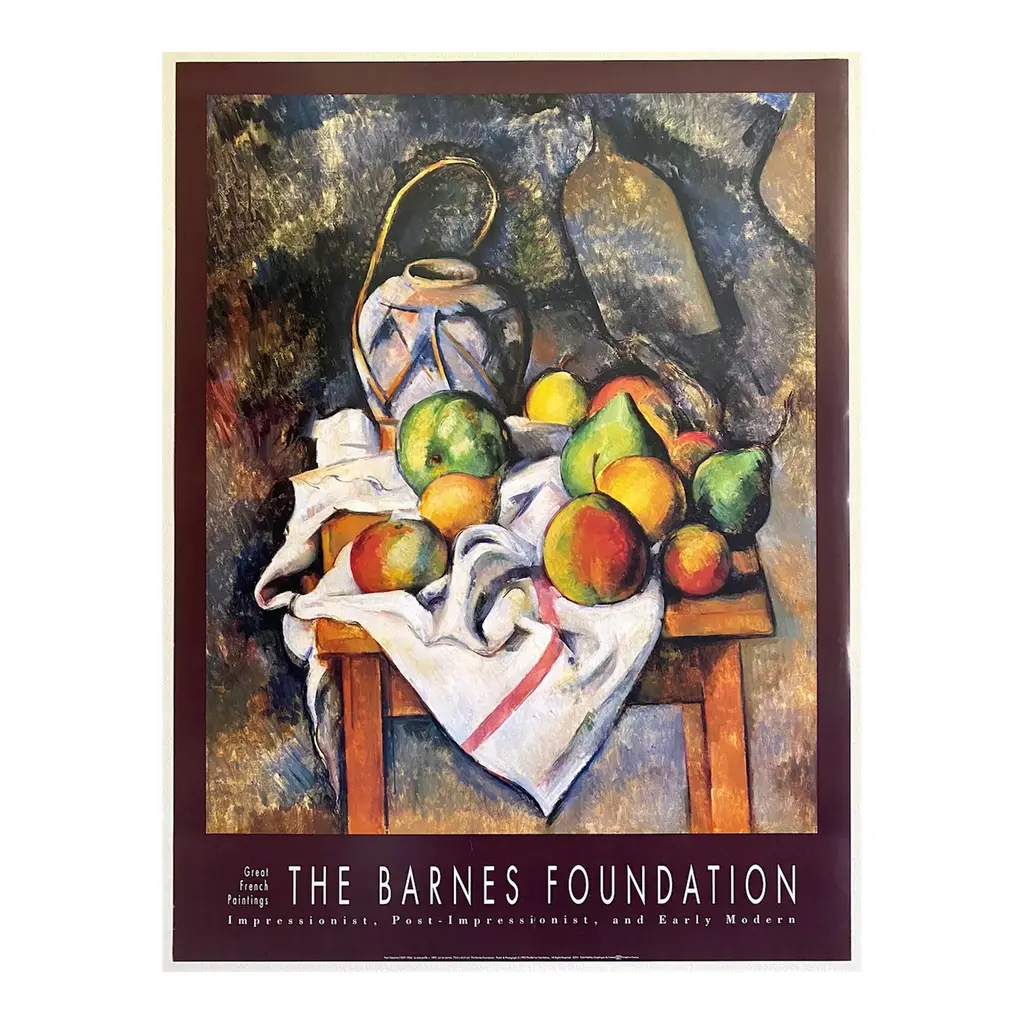
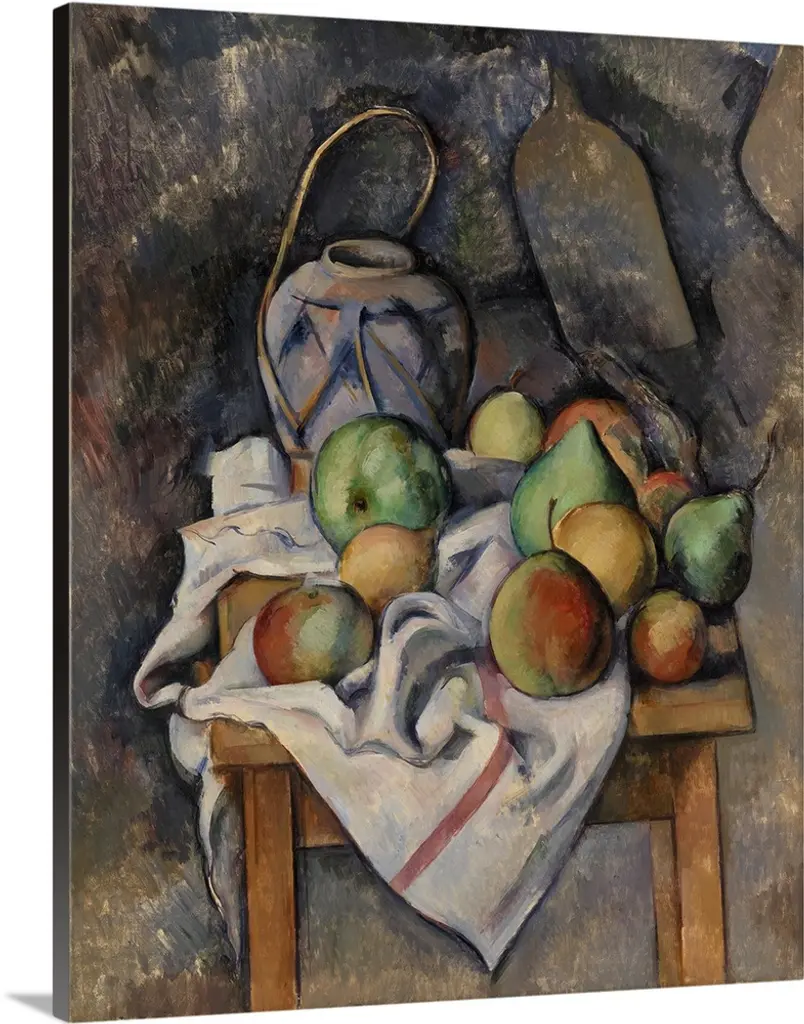
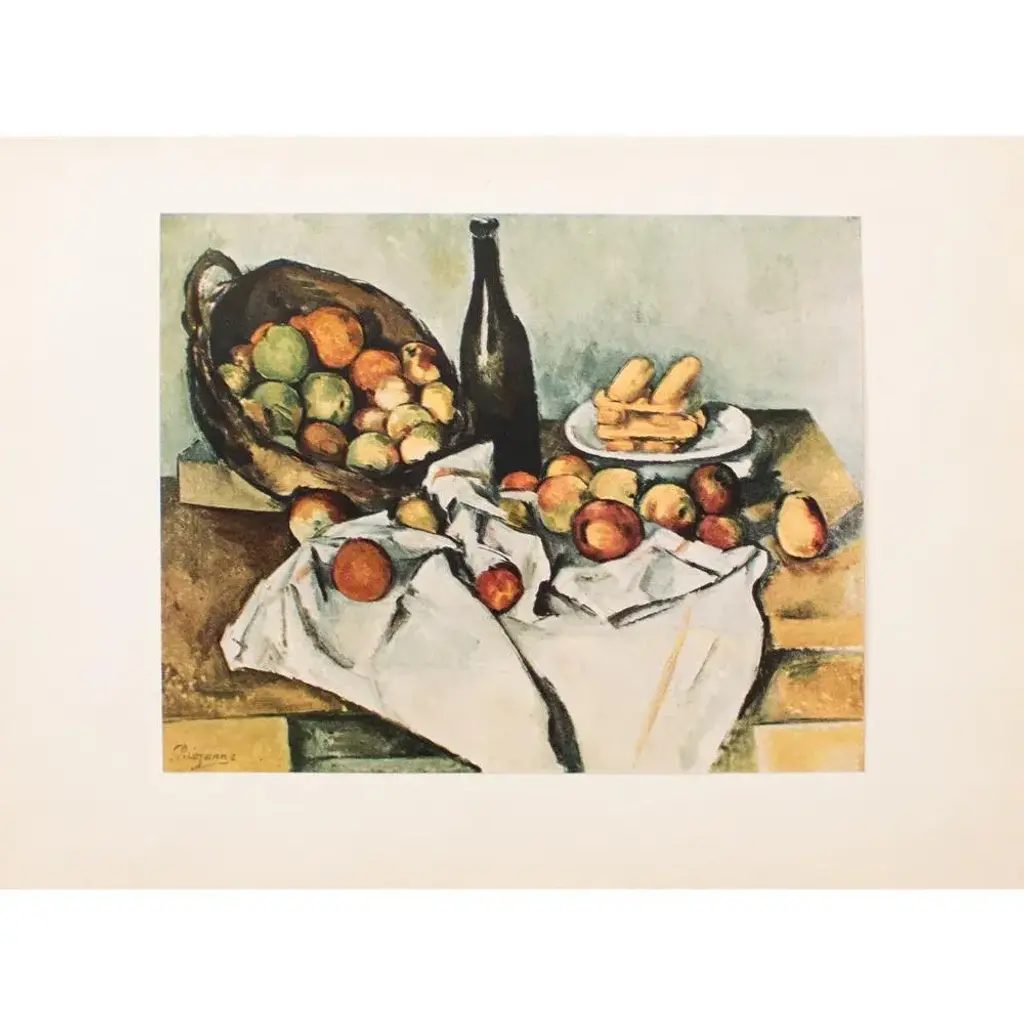
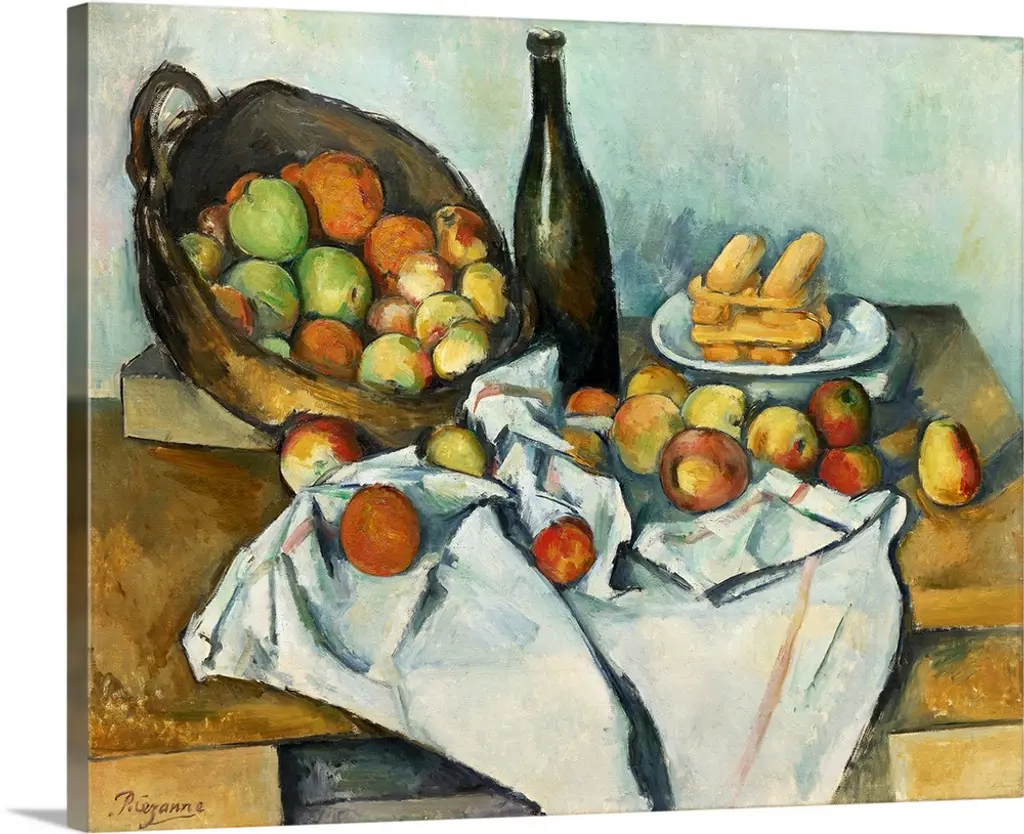
1980s Paul Cezanne The Art Institute Of Chicago "The Basket Of Apples" Lithographic Poster
Chairish$450
1980s Paul Cezanne The Art Institute Of Chicago "The Basket Of Apples" Lithographic Poster
Chairish$450
Continuous Tone (No Dots) Lithographic Museum Exhibition Poster Very Rare Continuous Tone (No Dots) Lithographic Poster done for patrons of the Art Institute of Chicago. On thicker paper. This a high-quality poster printed for a major exhibition highlighting this artists' work at the Art Institute of Chicago. Due to the printing process, it looks and feels like an original stone litho not a cheap poster. There are some reflections in the photos I took but not in the actual poster. This is a very rare poster it also printed by a special printing process, call Continuous Tone printing, which uses no dots. About the Continuous Tone Printing Process: Screenless lithography, by eliminating the use of halftone screens and halftone dots achieves extraordinary fidelity, the fullness of tone, color and detail, impressive color saturation and clear line resolution. Museums, fine artists and publishers with exacting standards use this remarkable process to re-create their finest works of art. Continuous tone lithography (as in a photograph with no dots) evolved from collotype printing. When Black Box Collotype ultimately closed its doors in 2004, it was one of just a few printers left in the world that had mastered the collotype process. While it was a highly desirable reproduction process for the fine art world, it was a laborious, time consuming (read “expensive”) process. Since there was no screen involved, a collotype print could be 27 colors without fear of a moiré. But in the old days, on Black Box’s one-unit press, those 27 colors had to be laid down one color at a time. So the most complex jobs could take months to complete. Offset lithography is far faster and less expensive than collotype. Suddenly, four colors and halftone dot patterns were “good enough” because they were so economical. Black Box Collotype was one of the last printing houses in America, if not the world that used the collotype-continuous tone process.
Similar products