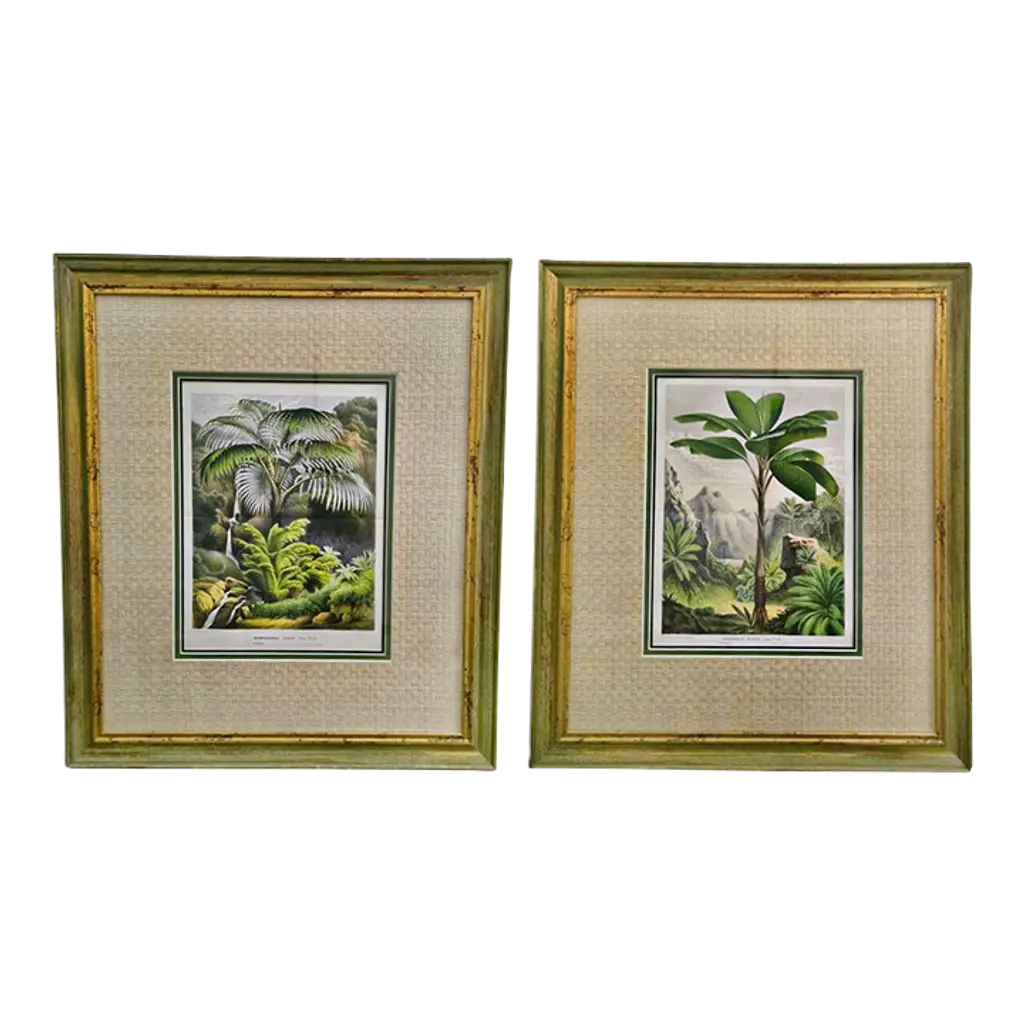
Botanical Hand-Colored Copper Engraving Of Banana Plants, Georg Eberhard Rumphius, 1741–1750)
Chairish$5,000
Botanical Hand-Colored Copper Engraving Of Banana Plants, Georg Eberhard Rumphius, 1741–1750)
Chairish$5,000
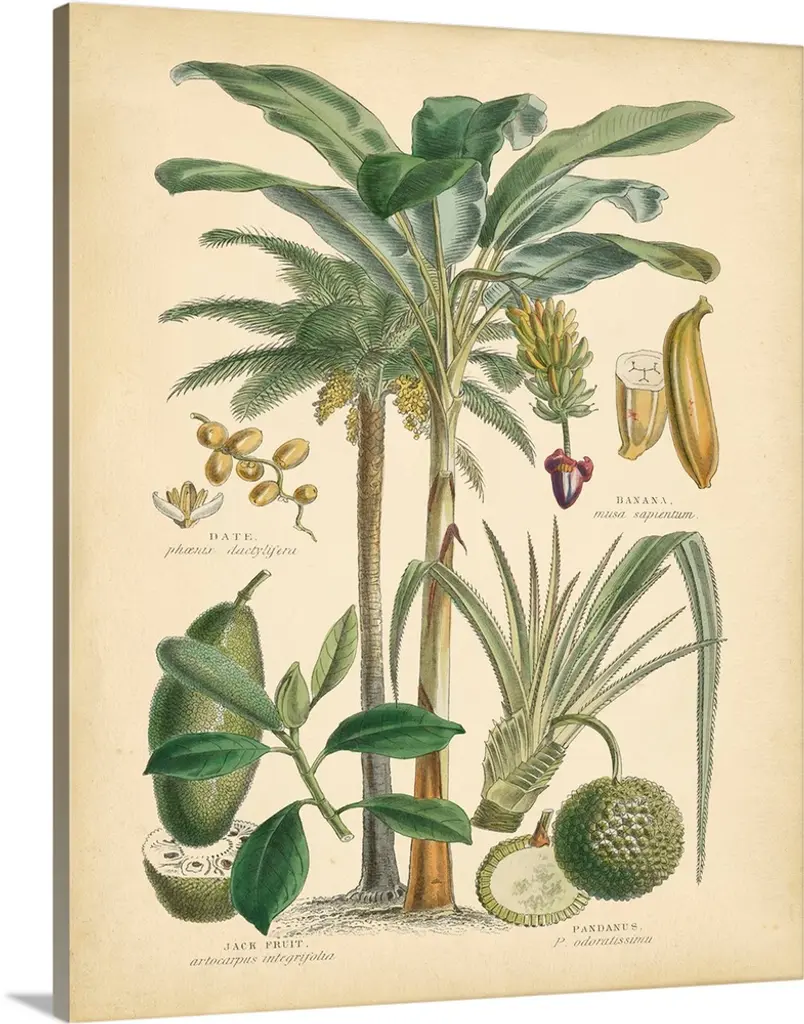
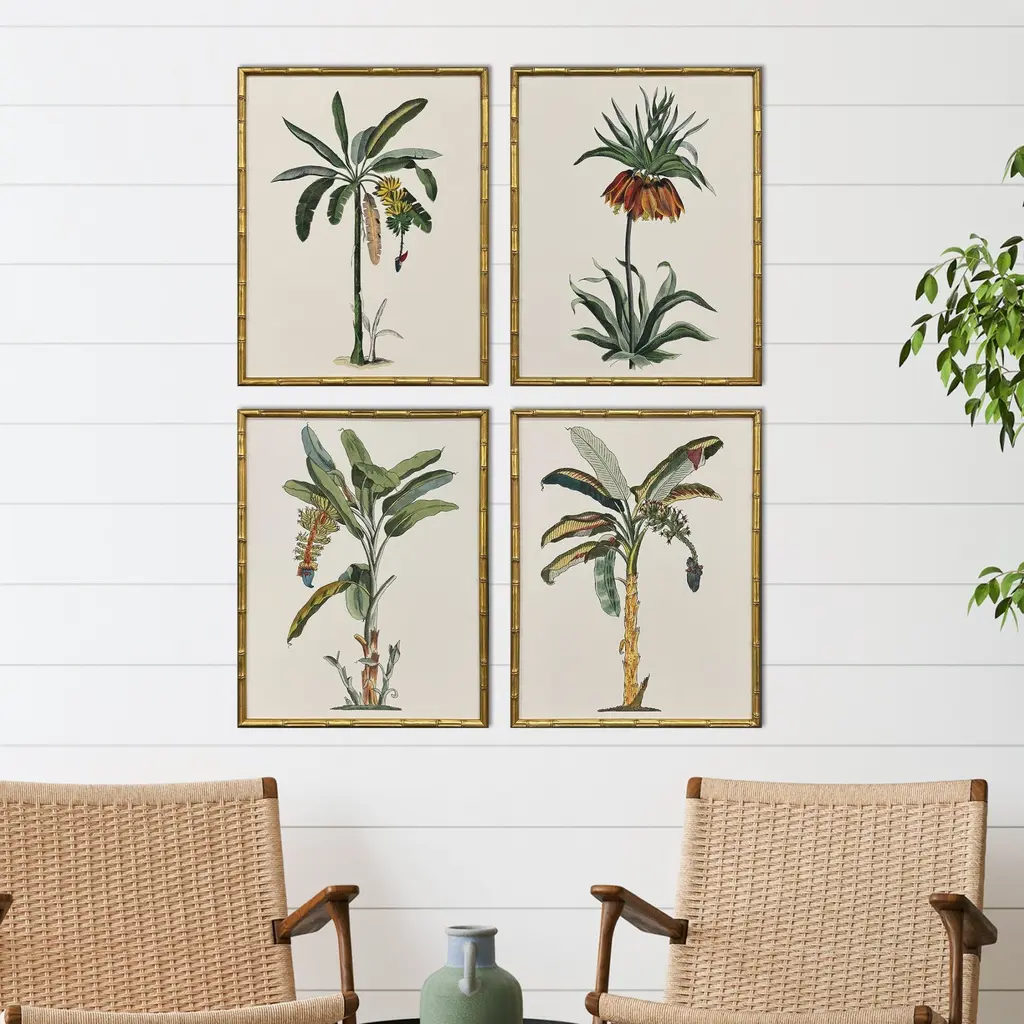
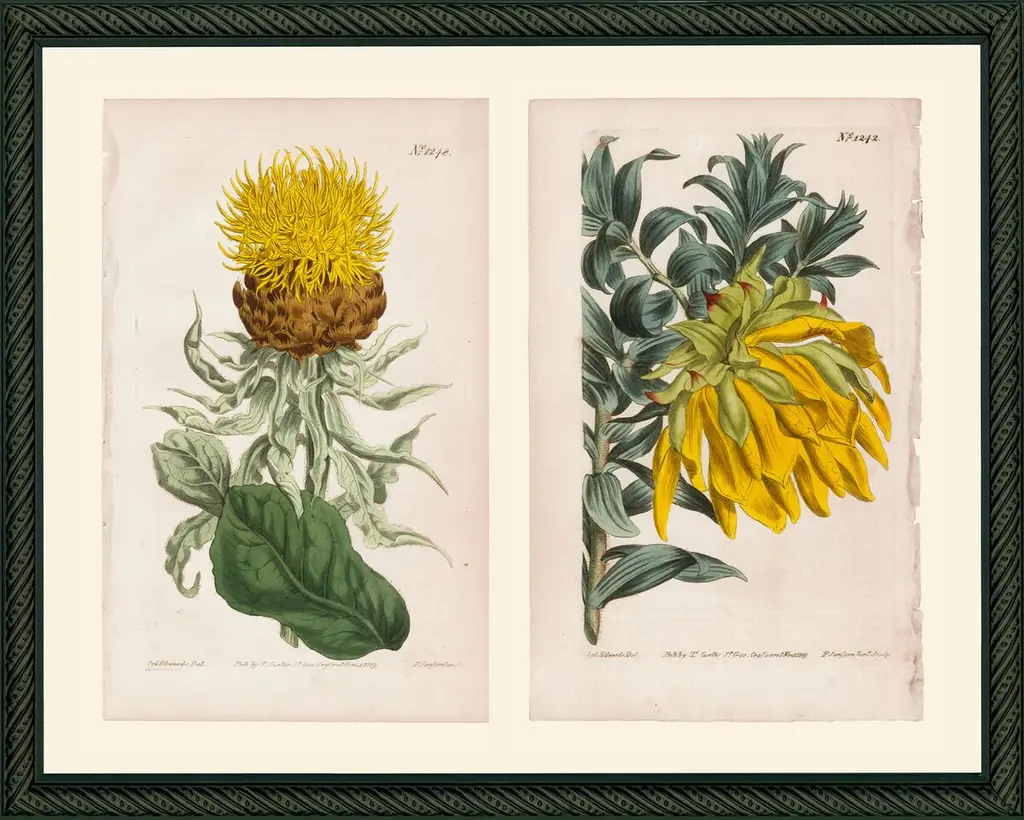
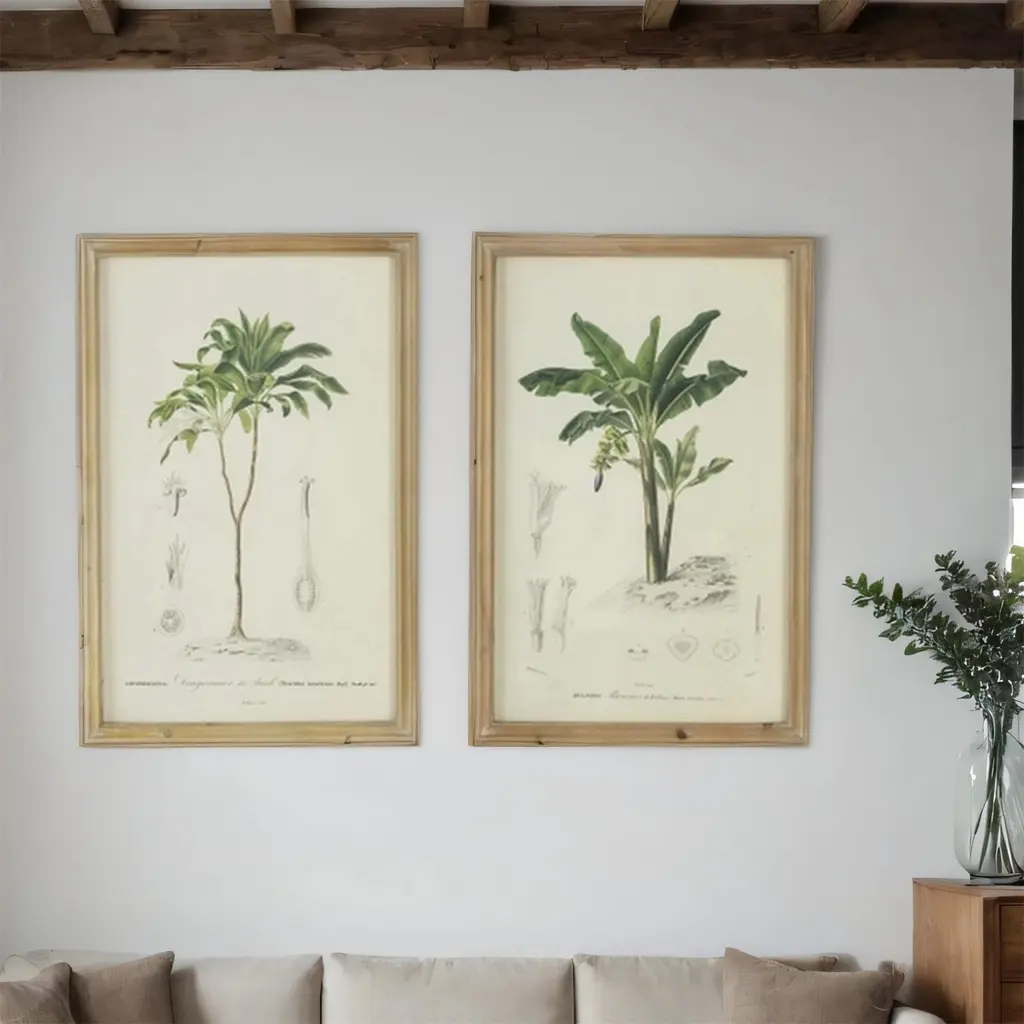
Pair of Hand-Colored Copper Engravings of Banana Plants Georg Eberhard Rumphius, Herbarium Amboinense, edited by Johannes Burman Amsterdam, 1741–1750 Decad. 6, Pl. IX and Pl. X A superb pair of hand-colored copper engravings depicting three species of banana plant (Musa), from one of the foundational works of tropical Asian botany. Each print is engraved with characteristic precision and enriched with original hand coloring in vivid greens and yellows. Pl. IX (Musa paradisiaca, Bananier) presents the common banana or plantain as a full botanical study: the tall pseudostem with its broad paddle leaves above, and surrounding it a series of subsidiary figures — A, a pendant fruit bunch; B, a complete hand of bananas; C and D, individual fruits with cross-section; E, F, further fruit details; G, a single fruit; and H, the terminal inflorescence. The inscription gives the Linnaean authority — Musa paradisiaca Linn. Sp. Plant. 1477 — alongside the Rumphius citation, vol. 5, p. 126, T. 60. Pl. X presents three further Musa species on a single plate: Fig. 1, the central tree, identified as Musa simiarum, the Monkey Banana (Pissang jacki, Bananier des Singes); Fig. 2, Musa troglodytarum Linn. Sp. Plant. 1478 (Musa uranoscopus Rumph. 5, p. 137, T. 61; Bananier des Moluques), shown with its dense, globose fruit cluster; and Fig. 3, Musa alphurica sive ceramica Rumph. 6, p. 160, T. 61 (Pissang alphuru), with its distinctive pendant bunch of finger-bananas. Dimensions Each 21½ inches (54.6 cm) high by 17½ inches (44.5 cm) wide by 1 inch (2.5 cm) deep, framed. Provenance Framed by Trowbridge in London, July 22, 2022 (label on reverse). Earle D. Vandekar of Knightsbridge Historical Context Georg Eberhard Rumphius (1627–1702) spent fifty years on the island of Amboina in the Moluccas as a botanist for the Dutch East India Company, cataloguing the flora of the Indonesian archipelago with extraordinary thoroughness despite going blind in 1670 and suffering the destruction of his manuscript in a catastrophic fire in 1687. His Herbarium Amboinense — published posthumously in Amsterdam between 1741 and 1750 under the editorship of Johannes Burman, director of the Amsterdam Botanic Garden — remains the foundational reference for the botany of the Moluccas and a landmark of eighteenth-century natural history illustration. The work appeared in six bilingual Dutch and Latin volumes, issued in parts known as decades (groups of ten plates), each plate inscribed with Rumphius's own references alongside the Linnaean binomial nomenclature introduced in Species Plantarum (1753). The banana plates of Decad. 6 are among the most visually arresting in the series, combining scientific exactitude with a decorative vitality that has assured their enduring appeal. (NY11183-cicx)
Similar products