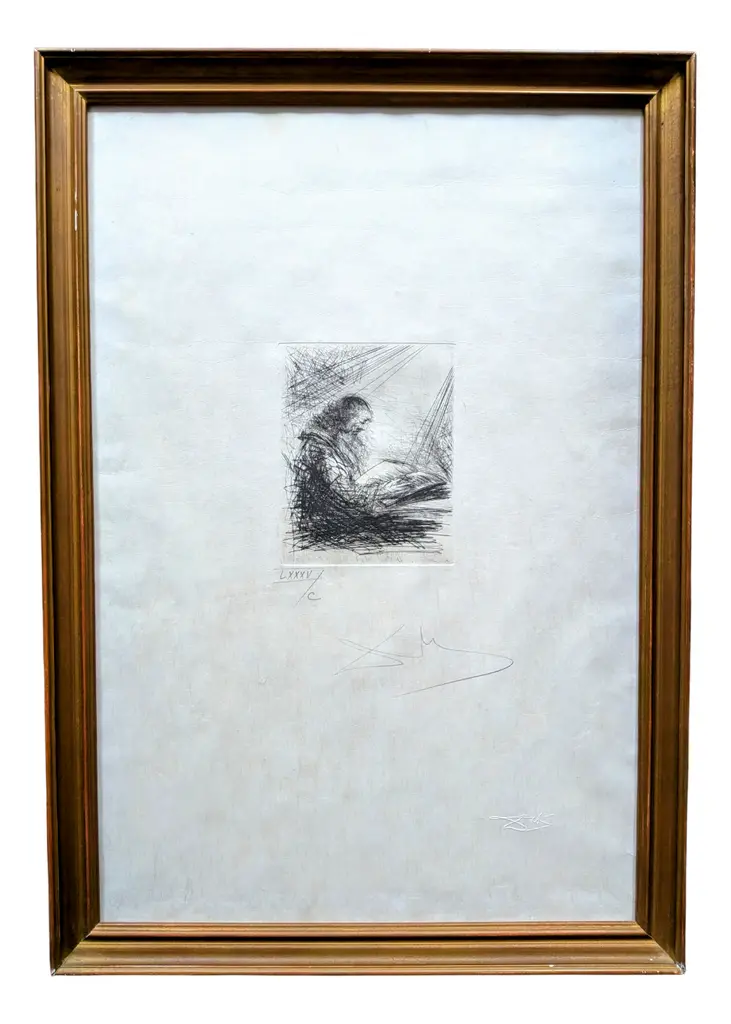
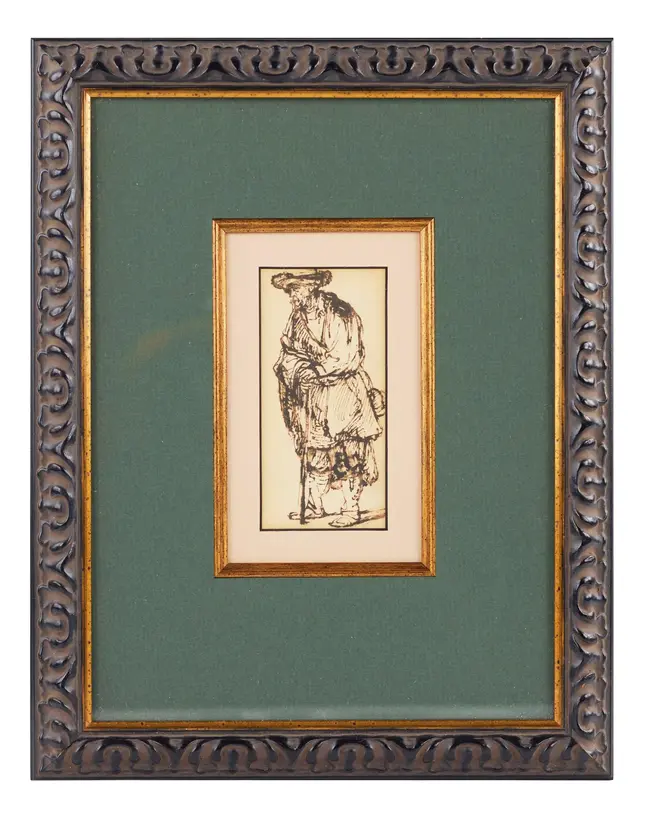
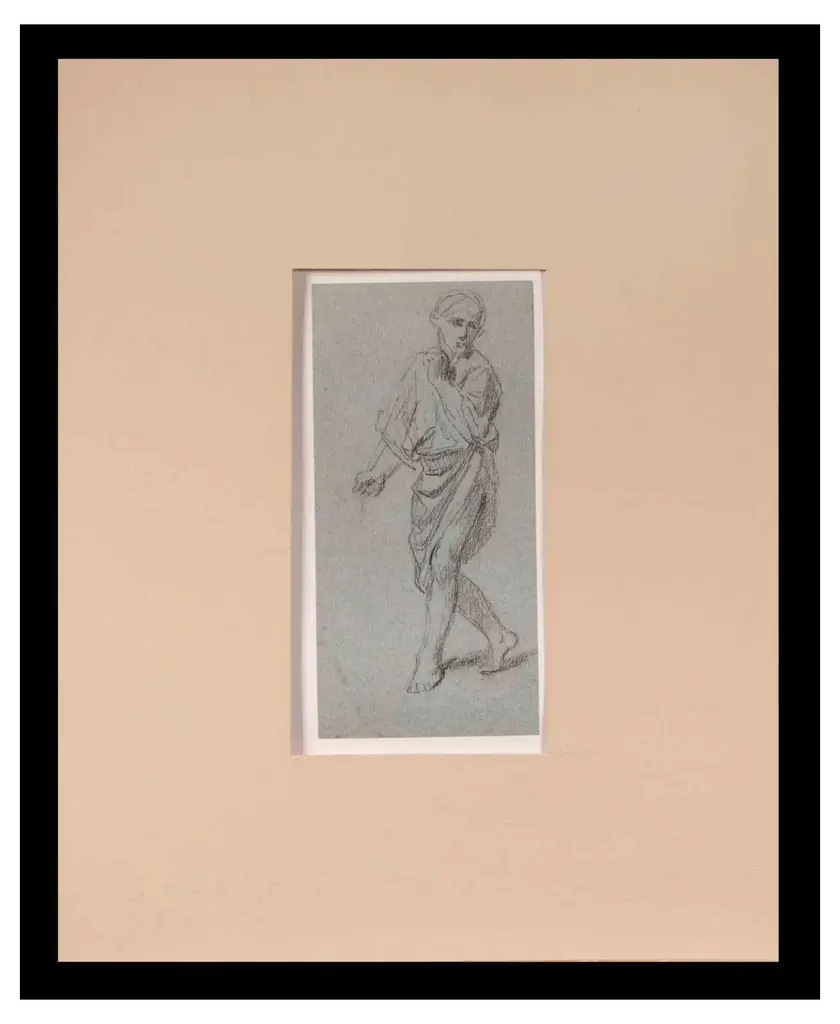
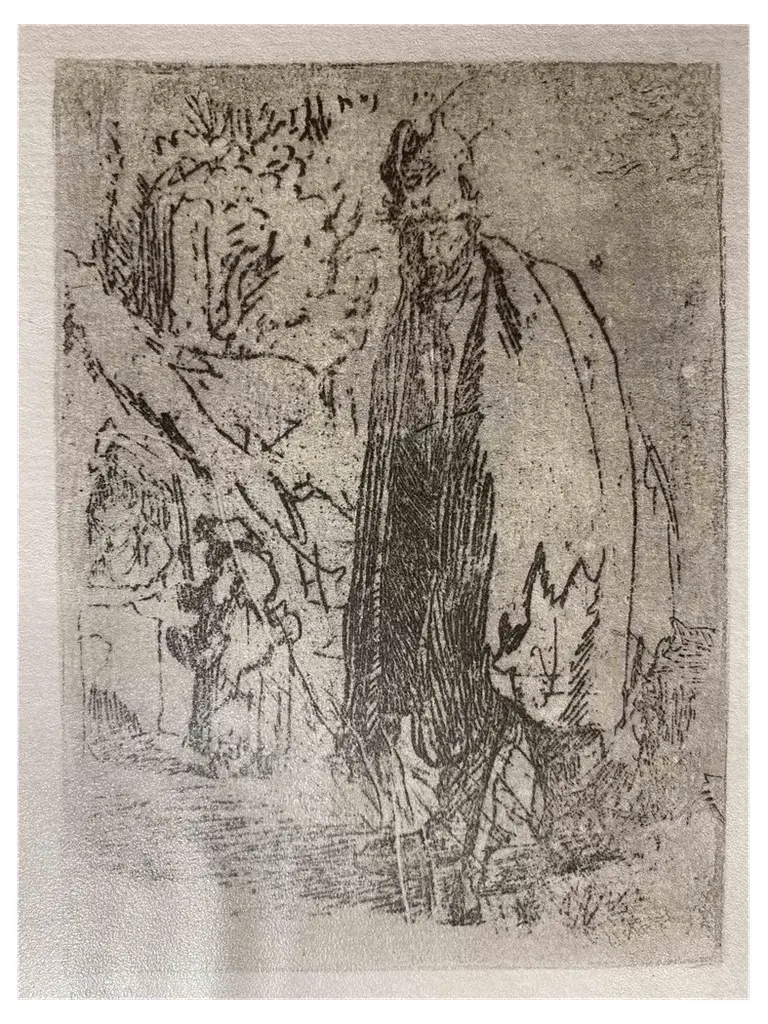
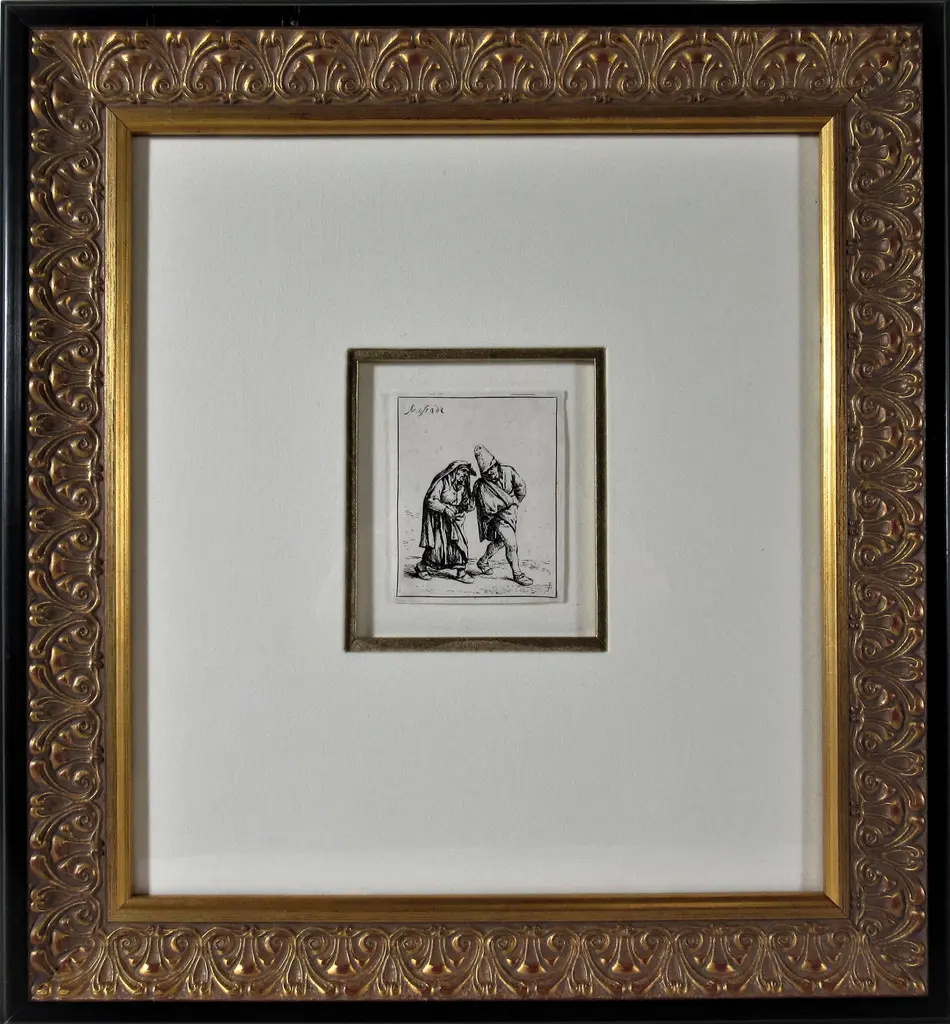
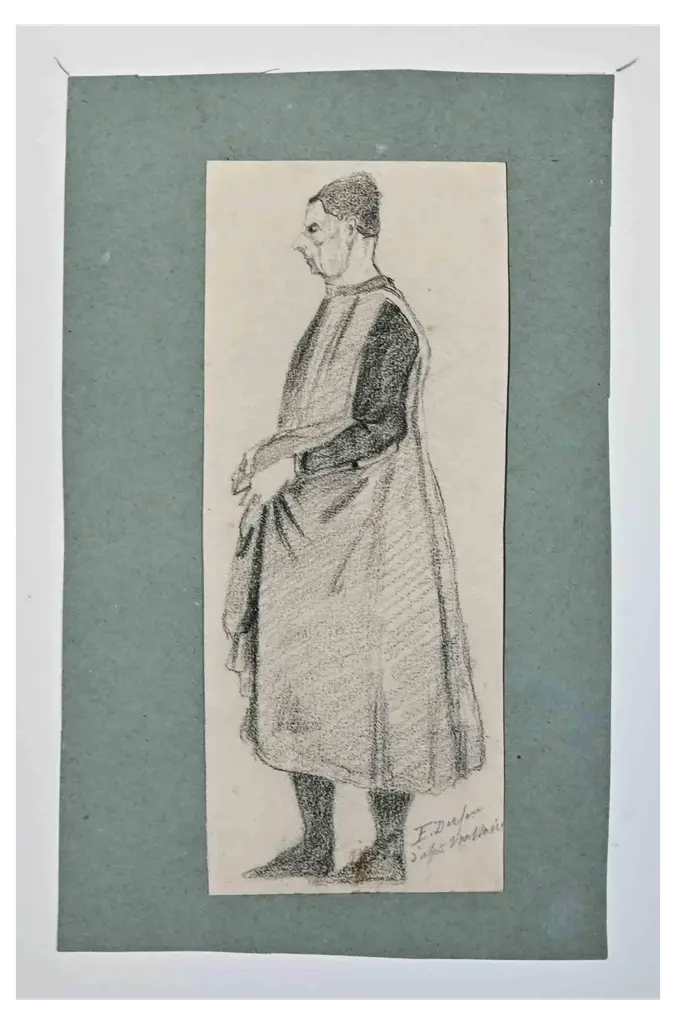
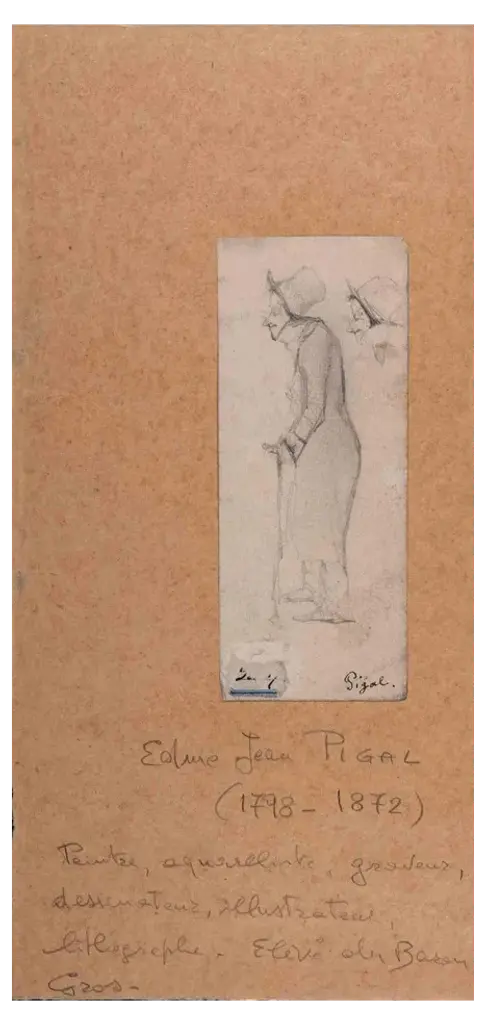
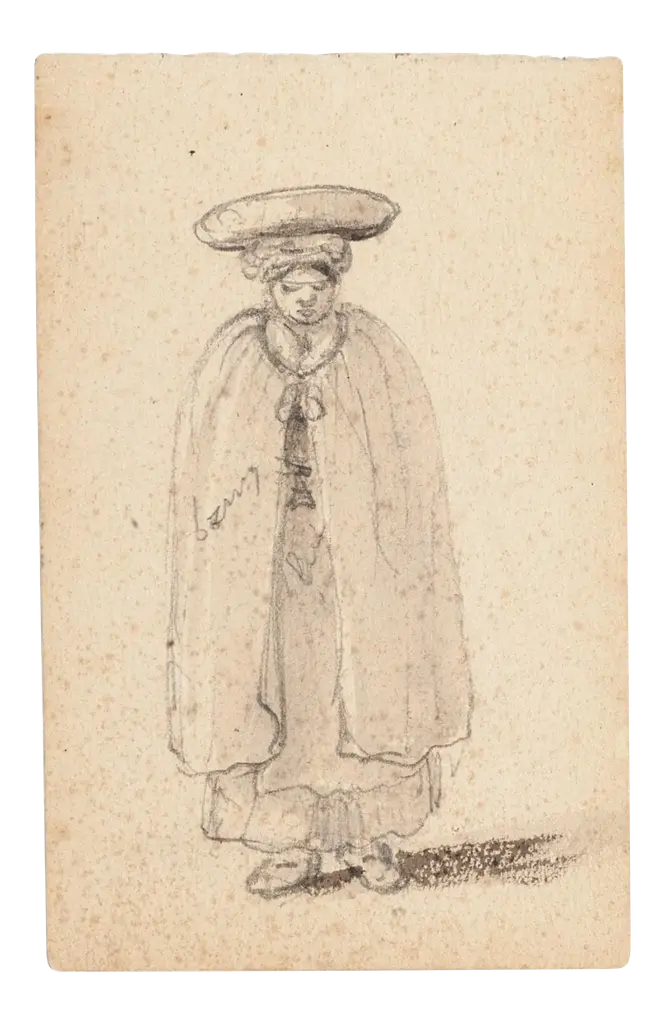
These engravings are part of a series of 25 prints called "les gueux" or "les mendiants", "les barons", "les barons". Numbered 12 and 16, they were published with the 23 others between 1622 and 1623 in Nancy (France). Number 12 represents a beggar (person living on alms) dressed in a simple cloak with uncovered head and feet. Number 16 depicts a beggar woman using her crutches to stand. Dimensions: Leaf: 5.9 x 9.05 inches Visual: 3.93 x 5.9 inches Jacques Callot was a 17th century draughtsman and engraver from Lorraine. He is considered one of the masters of etching. His engravings are characterised by a great sharpness and also a deep inking. The scenes depicted are very abundant on rather small surfaces. He began an apprenticeship in Rome in 1609. There he joined his friend Israel Henriet. There he met artists such as Antonio Tempesta, an aquafortist. He entered the workshop of Philippe Thomassin, who taught him the technique of engraving with a burin. At the end of 1611, he joined Florence and received the Medici protectorate. He produced 15 of the 29 plates entrusted to Antonio Tempesta, where he experimented with etching. He then became the engraver for the festivities organised at the Uffizi Palace. from 1621, he returned to Lorraine. He then published picturesque series based on his memories of Italy, the Bali and the Gobbi. He also produced a series called The Beggars. He also began work on a series of 490 plates making up Le Livre des Saints, published after his death. During this period he also produced a sequel called Les Bohémiens, as well as Les Supplices. His main work remains a series of eighteen engravings called Les Misères et les malheurs de la guerre. This work deals with the devastation caused by the Thirty Years' War (1618-1648).
Similar products