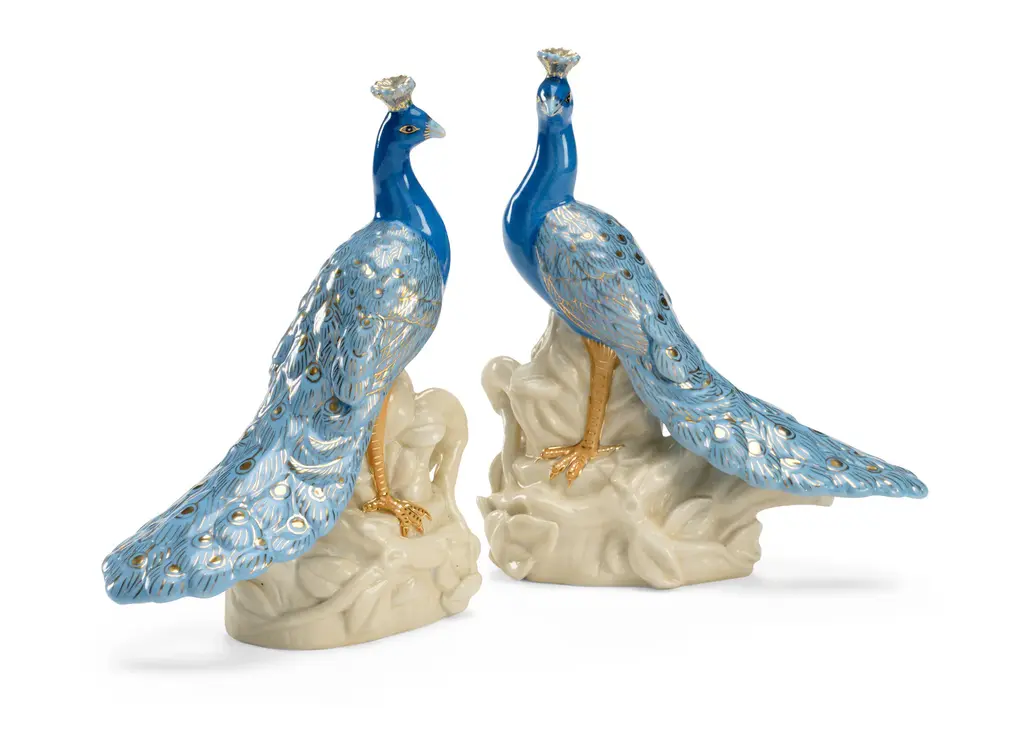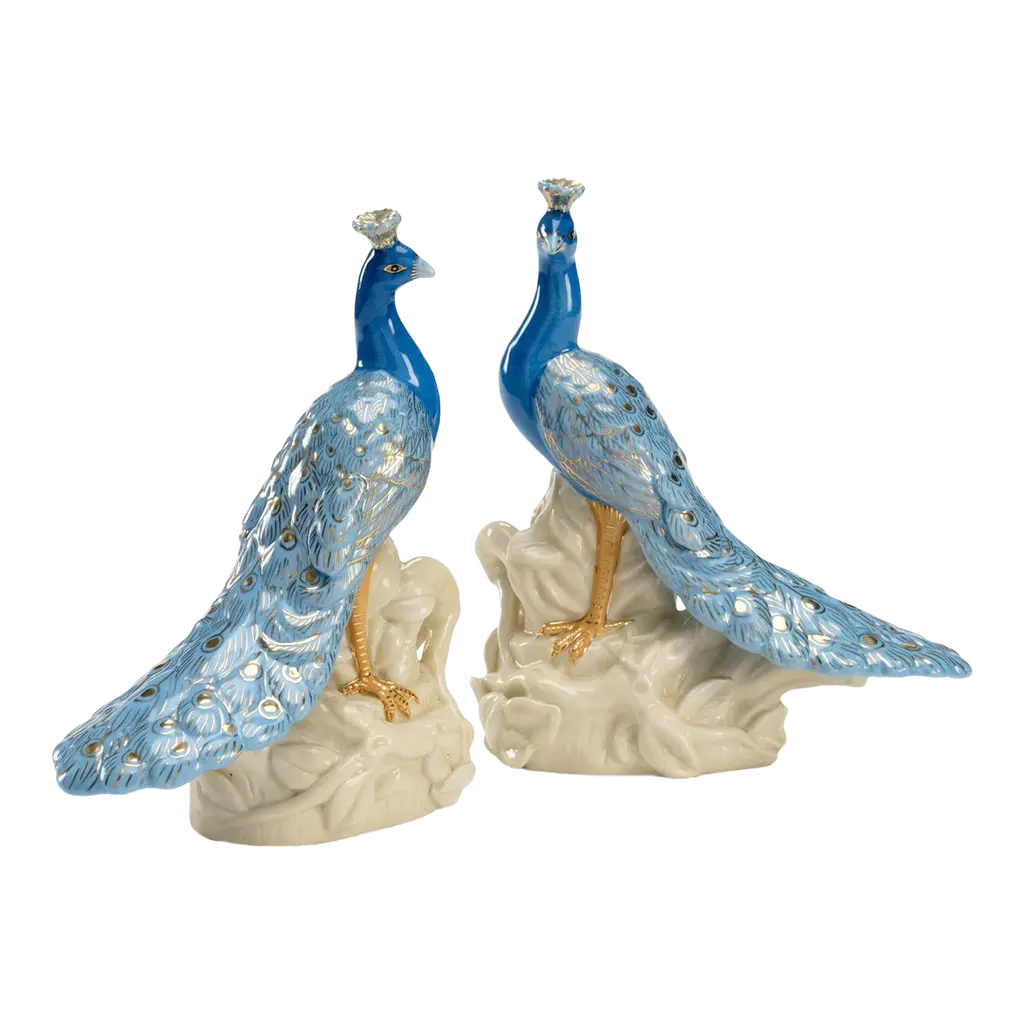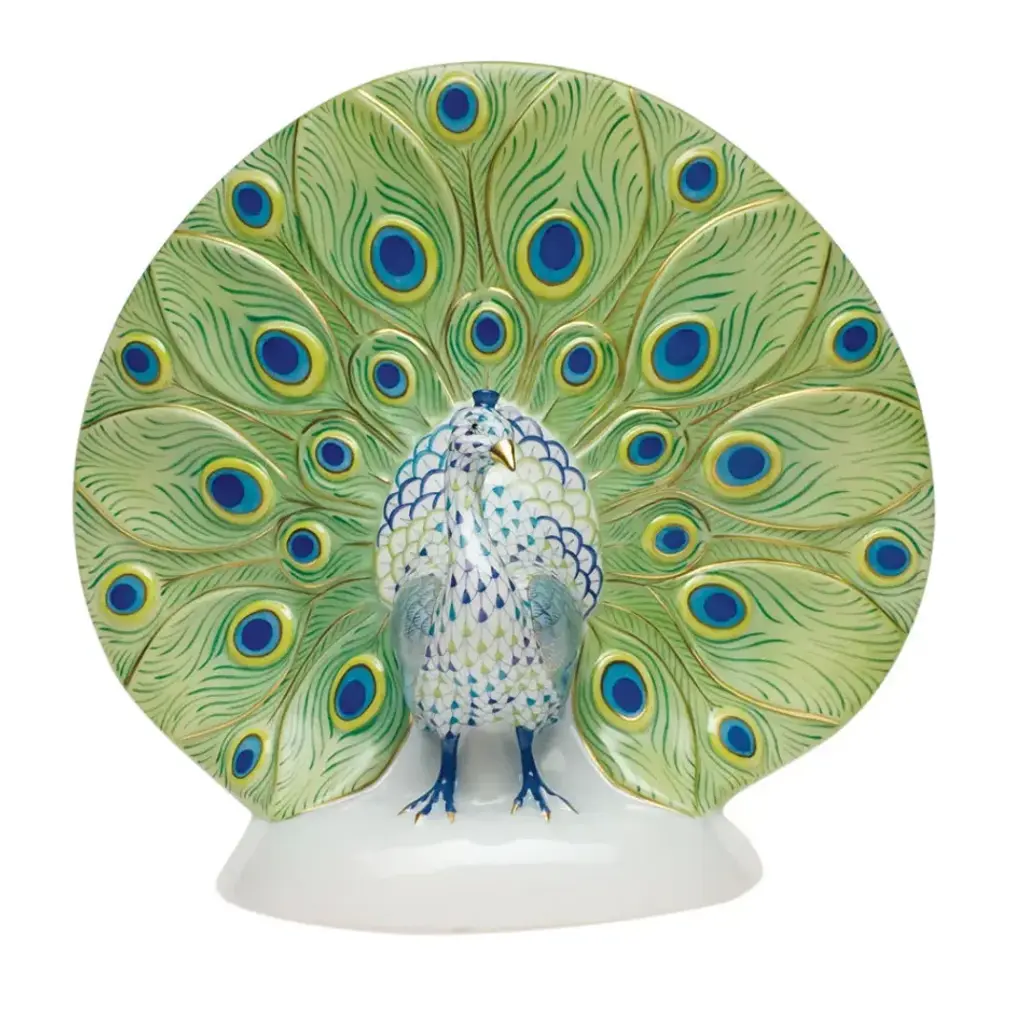
Large Peacock Multicolor 9.75 In W X 9.25 In H
$3,430
Gracious Style
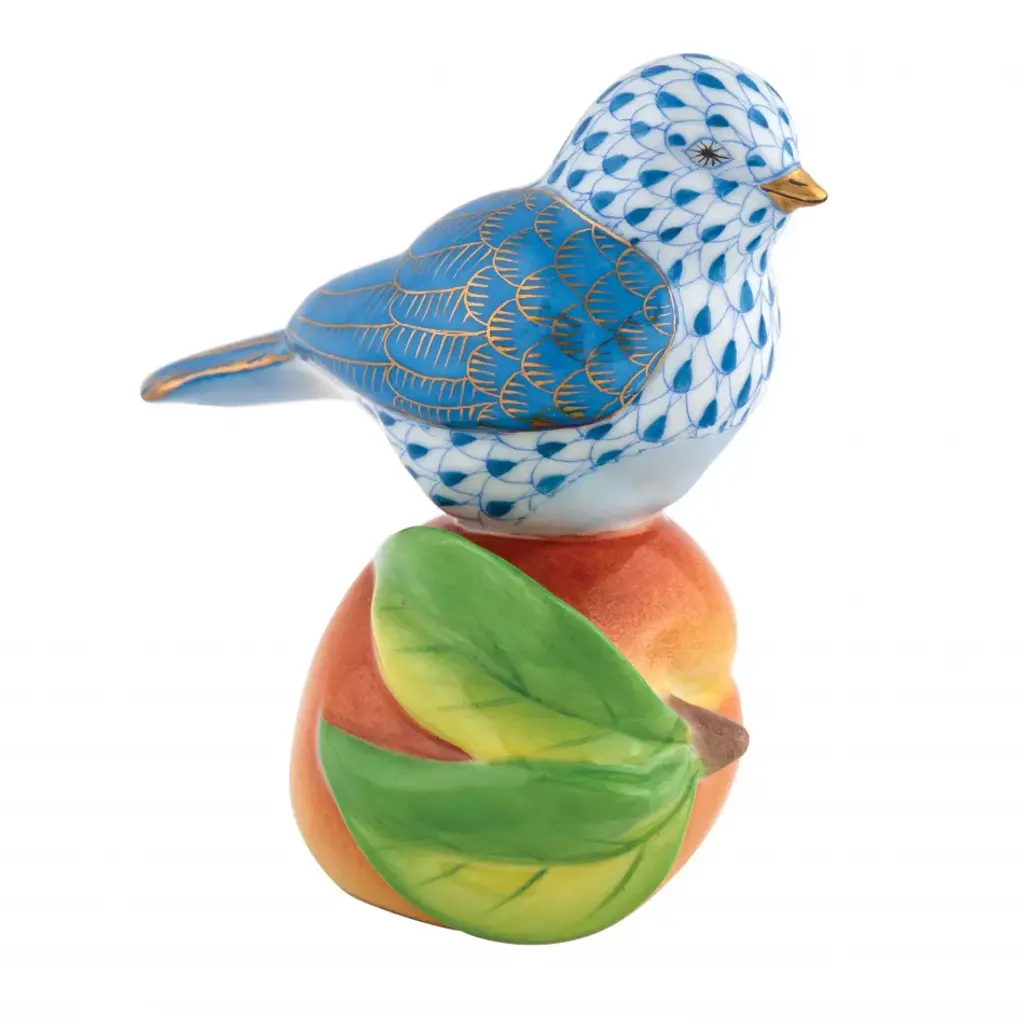
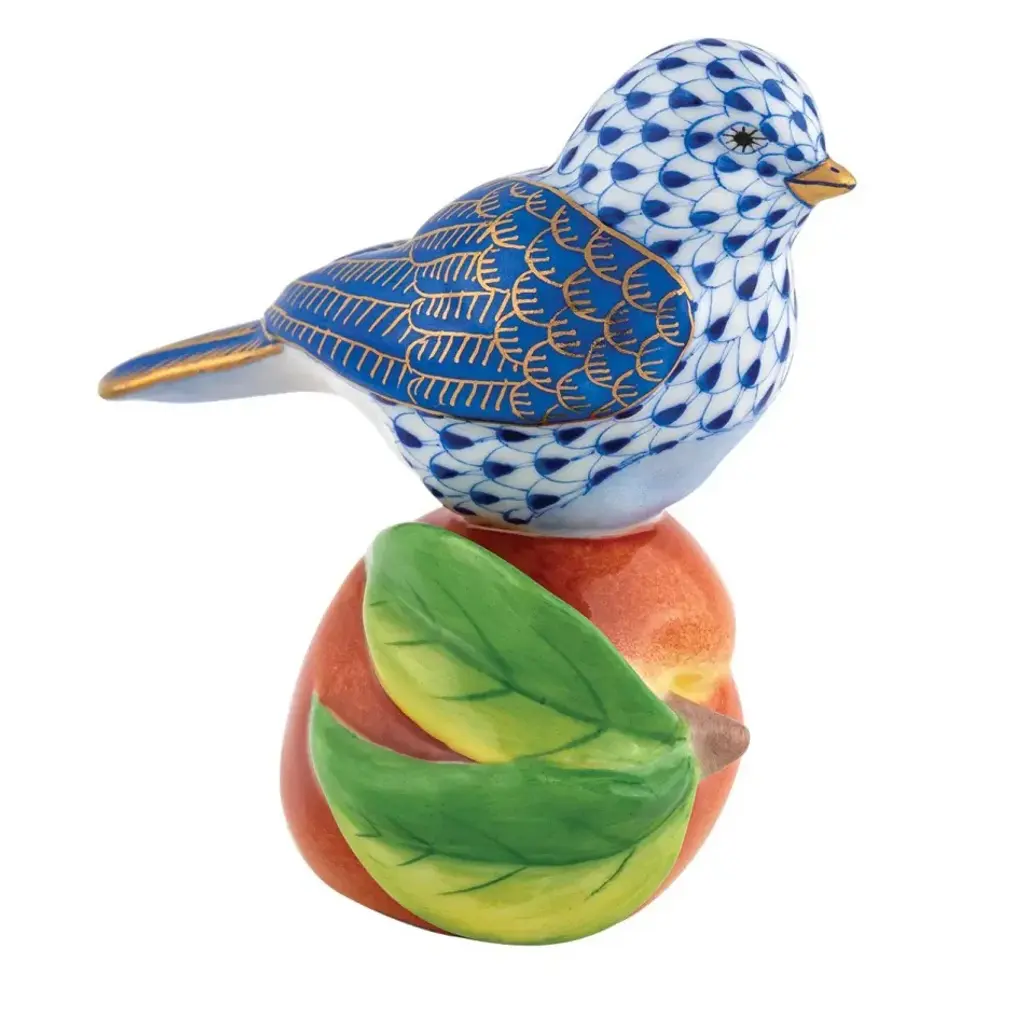
In reality it is a simple courtship display yet the striking fanned plumage of peacocks has fascinated people for thousands of years. From folklore to mythology to the history of a nation (it is the national bird of India), peacocks have both enchanted and drawn suspicion. To the peahen (female peacock), the peacock’s famous train made up of elongated tail “covert” feathers decorated with “ocelli” or eye spots is simply a test to determine the best mate. The greater the number of ocelli, the more attractive she finds the peacock. In ancient Greece, the ornamental eyes had a different significance. According to Greek mythology, the god Zeus was having an affair with the beautiful priestess Io. To hide the affair from his jealous wife, Hera, he turned Io into a cow. Hera, however, was not fooled by this and tricked Zeus into giving her the cow as a gift. Hera then sent her faithful servant Argus to protect the cow and since Argus was covered in one hundred eyes, he made a fine watchman. Zeus in turn dispatched Hermes to release Io from her captivity. Hermes accomplished this by lulling Argus and his many eyes into sleep and then killing him. To honor her faithful watchman, Hera took Argus’ eyes and placed them on the tail of her favorite bird - the peacock. Argus would certainly be proud of how the artists at Herend have immortalized him. Endearing animals meek and bold, large and small, demure and majestic eagerly await the chance to melt your heart and warm your home. Each is brought to life by the skilled hands of artisans crafting and painting these charming porcelain creatures. The famous fishnet décor adorning many of the animals took form in 1858 when a Herend painter became inspired by a fishscale design he saw on a Chinese porcelain plate and painted a similar pattern onto a rooster figurine to imitate feathers. The rest is history, with the fishnet design now a Herend signature prized worldwide. Now the biggest porcelain manufactory in Europe, Herend was founded in 1826 to produce earthenware in the small Hungarian village for which it was named. At the time, Hungary was flooded with low-cost pottery, but in 1839, Mor Fischer became the Manufactory’s new owner and he decided to focus on producing dinnerware replacement pieces for Europe’s royal families to complement their valuable porcelain patterns from Germany and the Far East. As his client base grew, Fischer commissioned his artists to begin designing dinnerware patterns of their own. Queen Victoria’s 1851 purchase of a large set for Windsor Castle was a milestone, setting the stage for aristocrats throughout Europe to clamor for Herend in their estates. In the 1850s, Herend added meticulously-crafted figurines to its creations. Herend’s trademark fishnet pattern, which is widely recognized and prized as Herend’s signature design, started in 1858 when an artist who was intrigued with a Chinese plate’s fish scale design painted it onto a rooster figurine to imitate feathers.
Similar Items