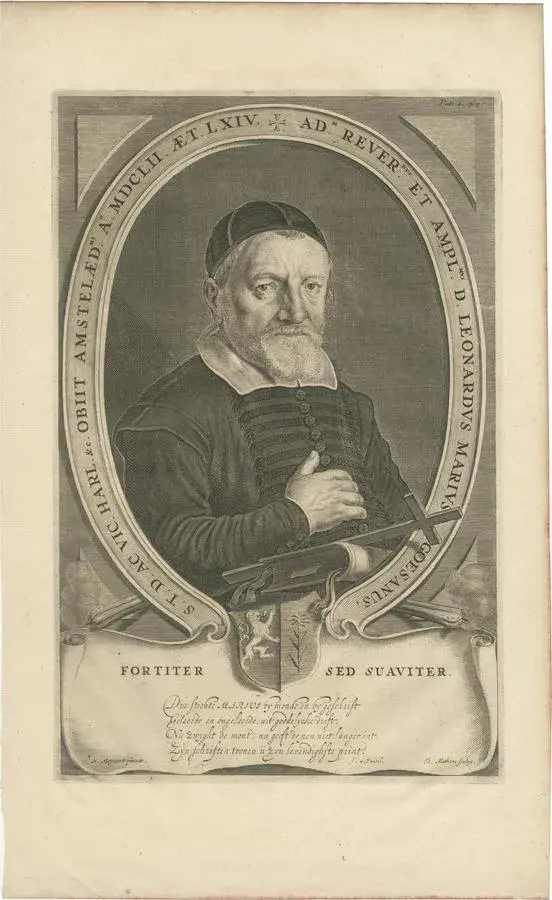
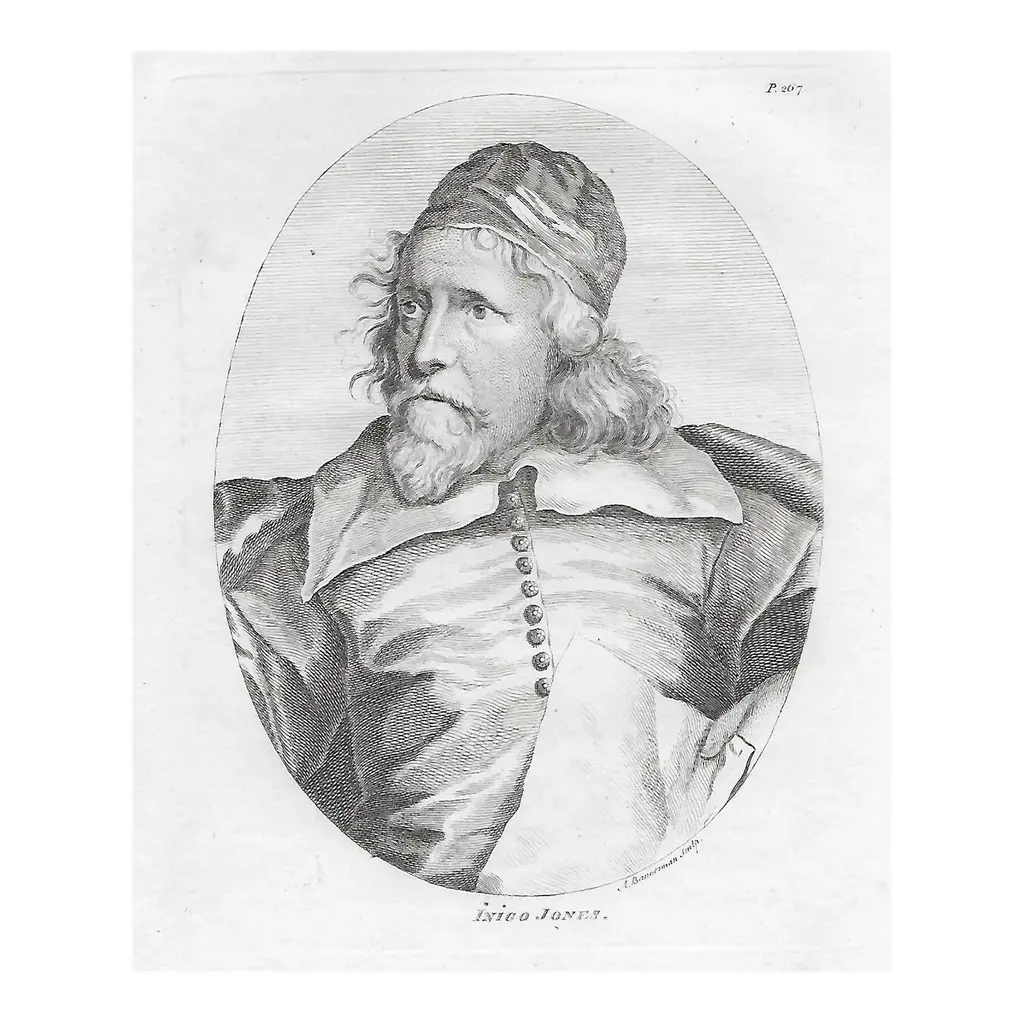
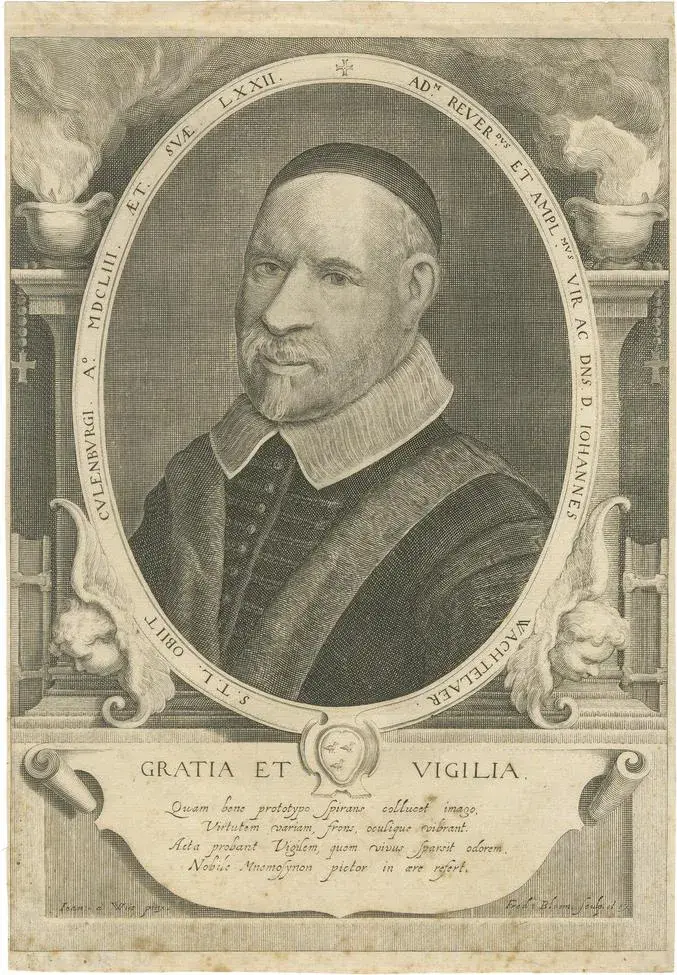
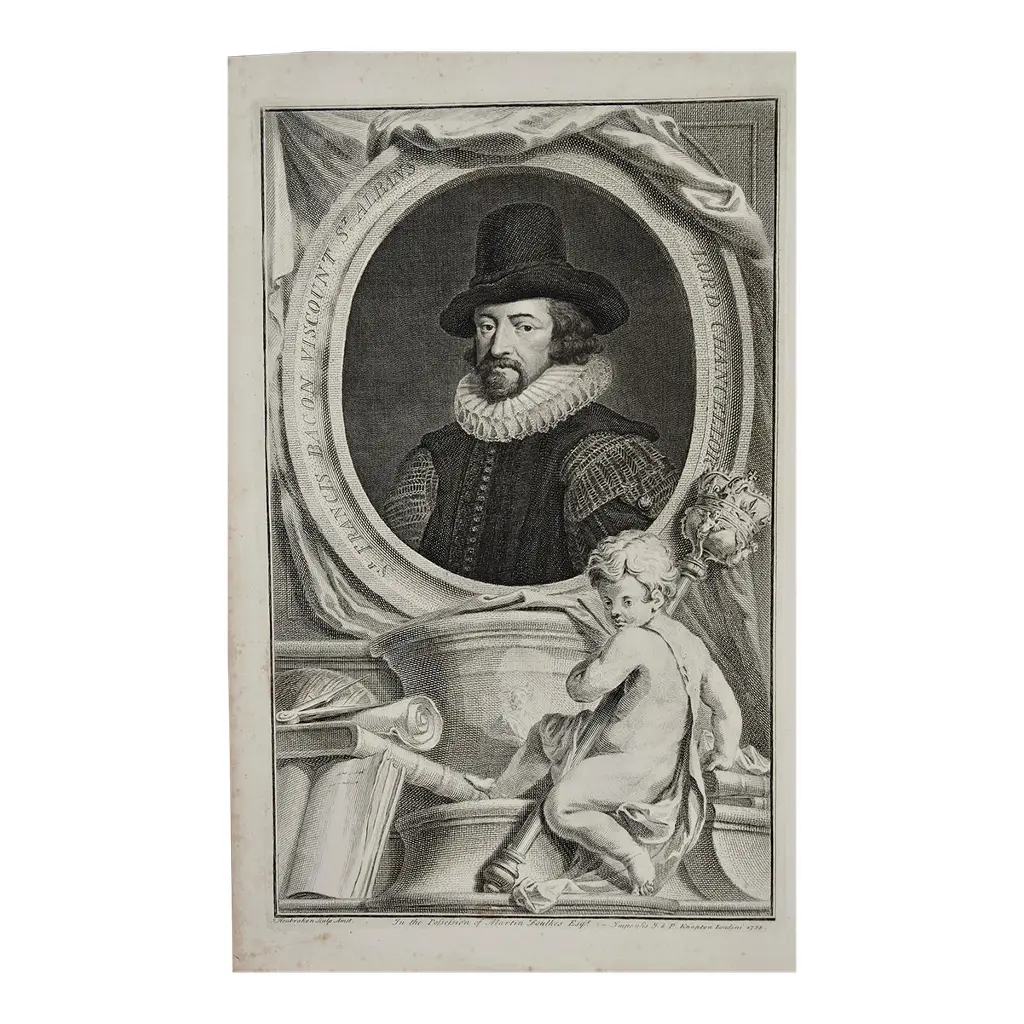
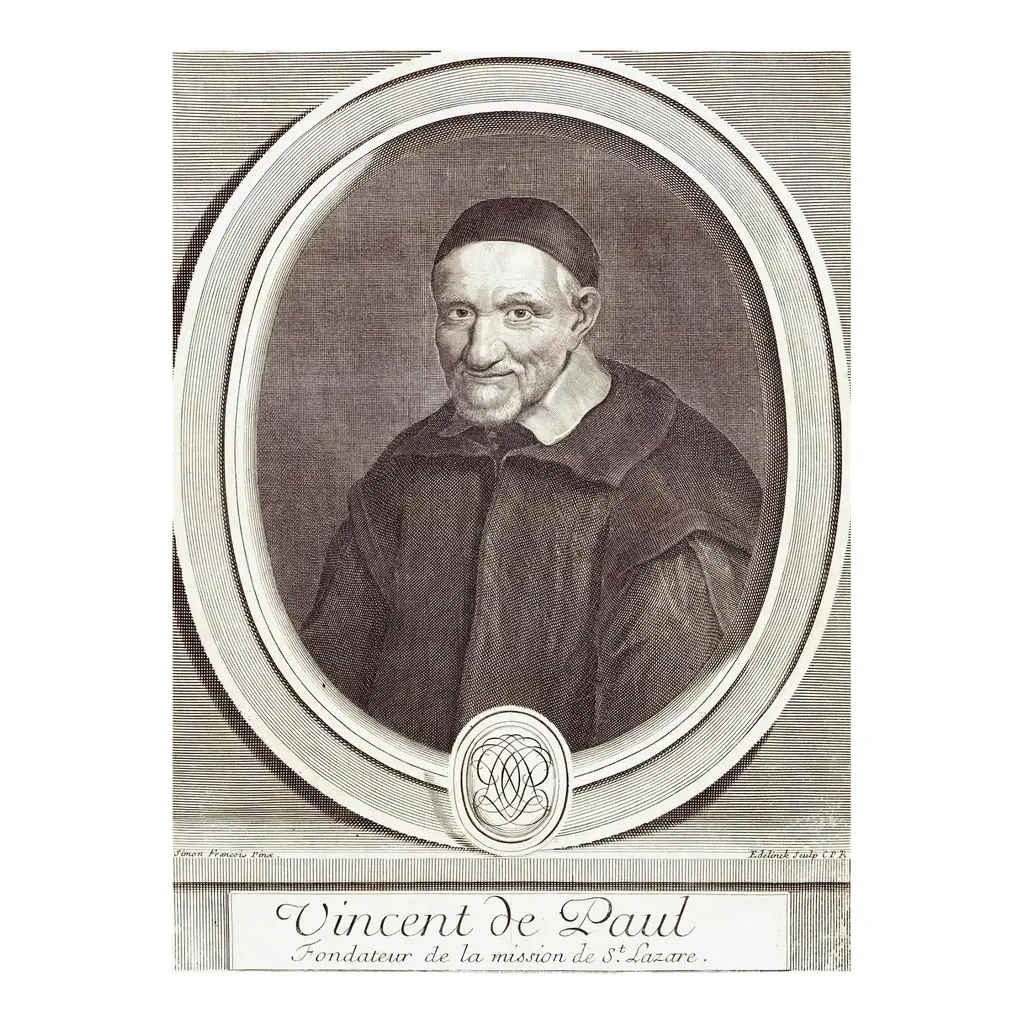
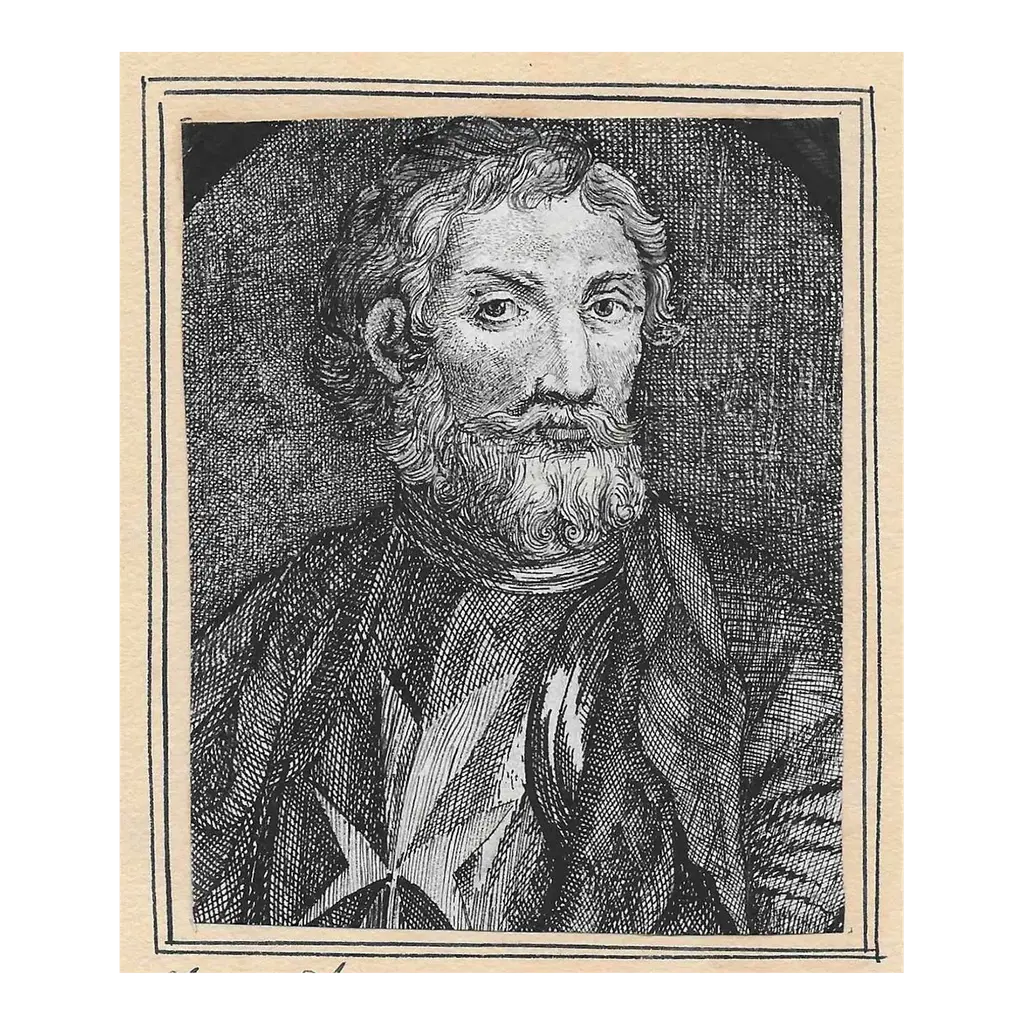
17th Century Dutch Portrait – Stephan Crachtius Engraving by Matham after Spilberg This distinguished 17th-century copper engraving presents Stephan Crachtius (or Steven Crachts), a noted theologian or scholar, shown at bust-length facing right. The portrait was painted by Johann Spilberg (1619–1690) and engraved by Theodor Matham (1606–1676), one of the finest Dutch engravers of the Baroque period. The inscription beneath the image reads Corona Sapientiae Timor Domini (“The fear of the Lord is the crown of wisdom”), underscoring the intellectual and moral tone of the portrait. Crachtius is shown in a fur-trimmed robe and cap, his face framed by curls and bearing a gentle but thoughtful expression. The oval frame in which he appears is surrounded by symbolic objects: candles, an inkstand, and an escutcheon with a modest coat of arms. These visual elements highlight wisdom, learning, and piety—hallmarks of Dutch Protestant identity in the Golden Age. The Latin inscription around the oval indicates his age (83) and titles, describing him as a pastor and doctor, likely associated with Amsterdam’s Protestant or Mennonite community. The Dutch poem at the bottom, attributed to Jacob Tonson, praises his scholarly accomplishments and spiritual insight. This engraving is a fine example of Baroque portraiture in print—formal yet expressive, rich in symbolism, and rooted in the humanist-religious culture of the Dutch Republic. Works by Spilberg and Matham are prized for their technical refinement and historical value. Collectors interested in 17th-century theology, Dutch Golden Age prints, or emblematic portraiture will find this piece particularly engaging. Condition: Very good impression on laid paper with full margins. Light toning near edges, a few small spots\. No tears or repairs. Framing tips: A black or dark walnut frame with an antique white or cream mat will enhance the warm tone of the aged paper and bring out the fine linework. Technique: Copper engraving Maker: Theodor Matham after Johann Spilberg, Netherlands, 17th century
Similar products