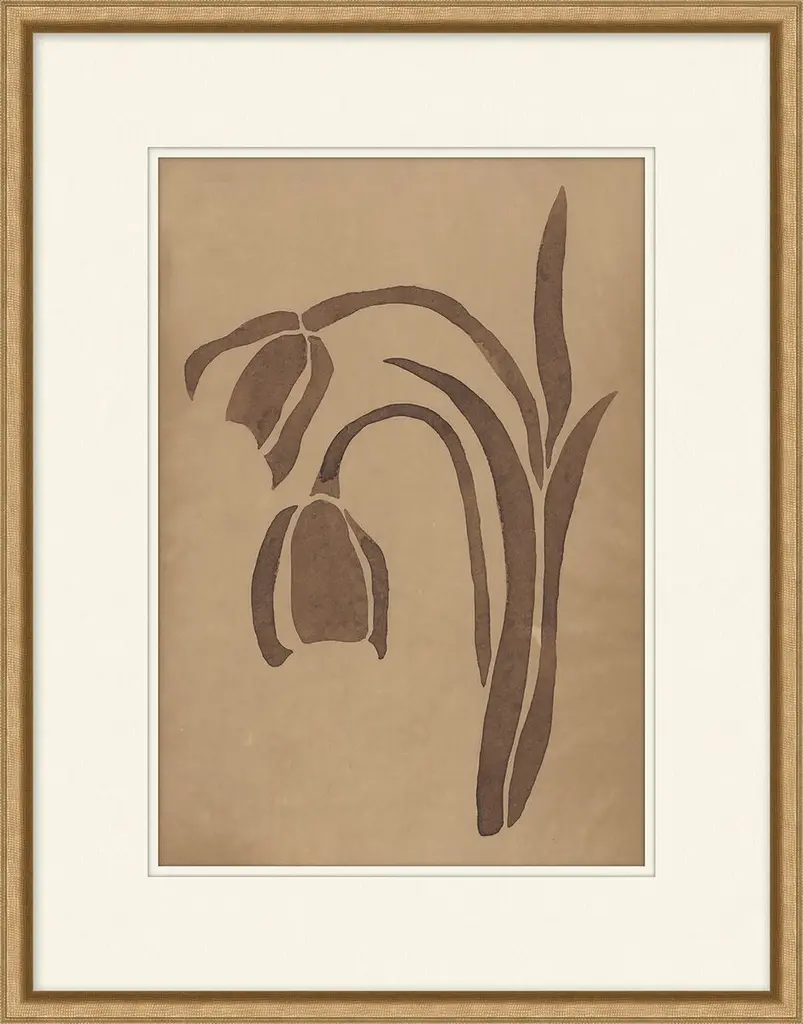
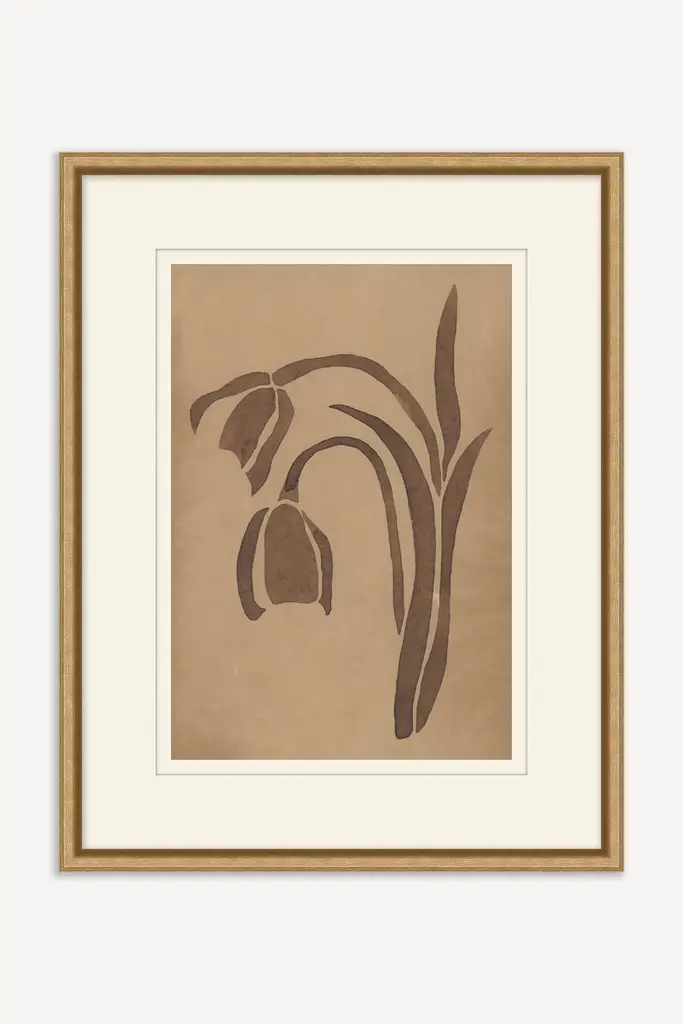
This lithograph, part of Nathan Altmann's "Jüdische Graphik" series, depicts a stylized vase with a flower, produced in 1923. The artwork, in black and white on a burnished gold background, showcases Altman's avant-garde approach to graphic design and illustration. The use of simple, yet bold forms highlights the modernist influence on Altman, merging elements of Cubism with a symbolic representation that might suggest themes of growth, beauty, or fragility. The vase and flower motif, although a common subject in art, is transformed under Altman's hand into a piece that reflects both the artistic trends of the early 20th century and the cultural identity of the Jewish community in Berlin at that time. The production of only 250 copies makes this print a rare and significant piece, with its current existence a testament to the historical and artistic value of Altman's work. Altman's background as a Russian and Soviet artist who engaged deeply with Jewish themes adds layers of interpretation to the print, inviting viewers to consider the cultural dialogues taking place during this period through the medium of fine art. This print not only adds to the understanding of Altman's oeuvre but also to the broader narrative of avant-garde art in Europe during the tumultuous early decades of the twentieth century.
Similar products