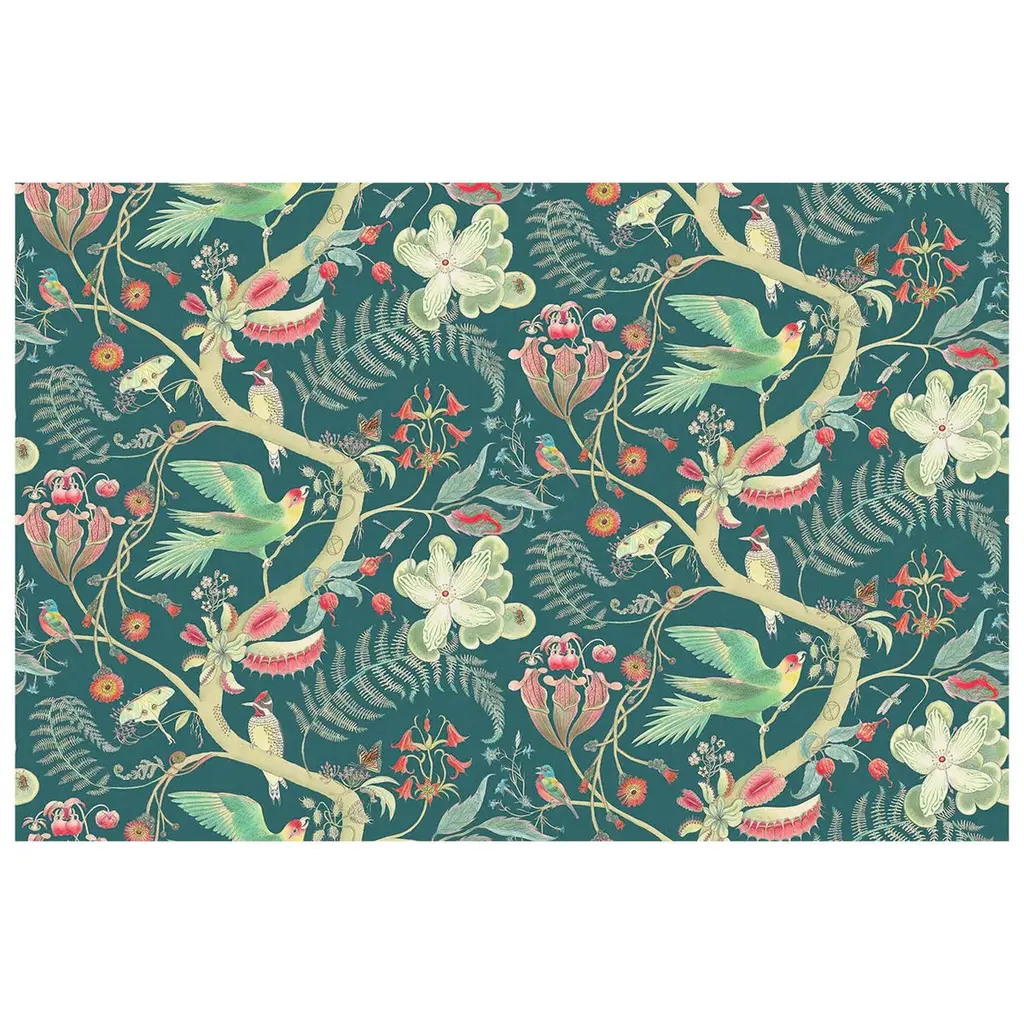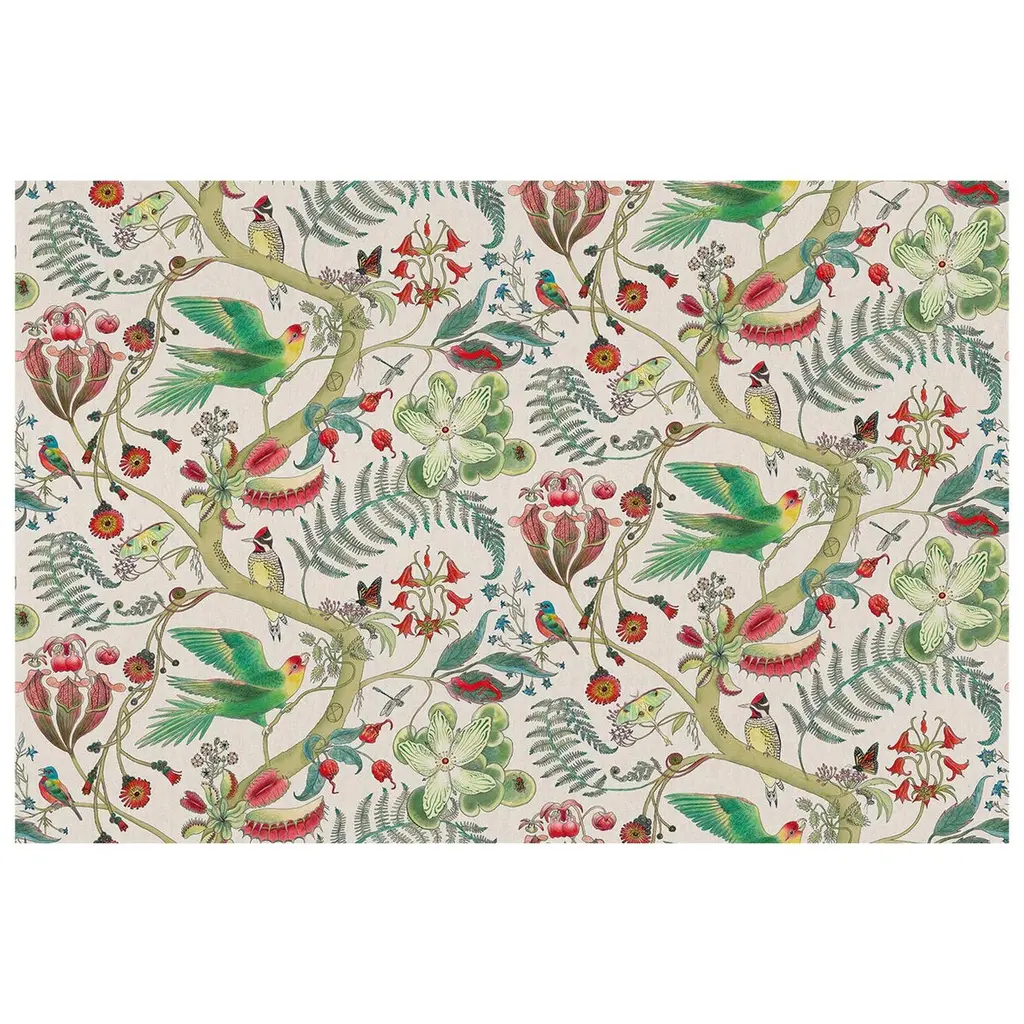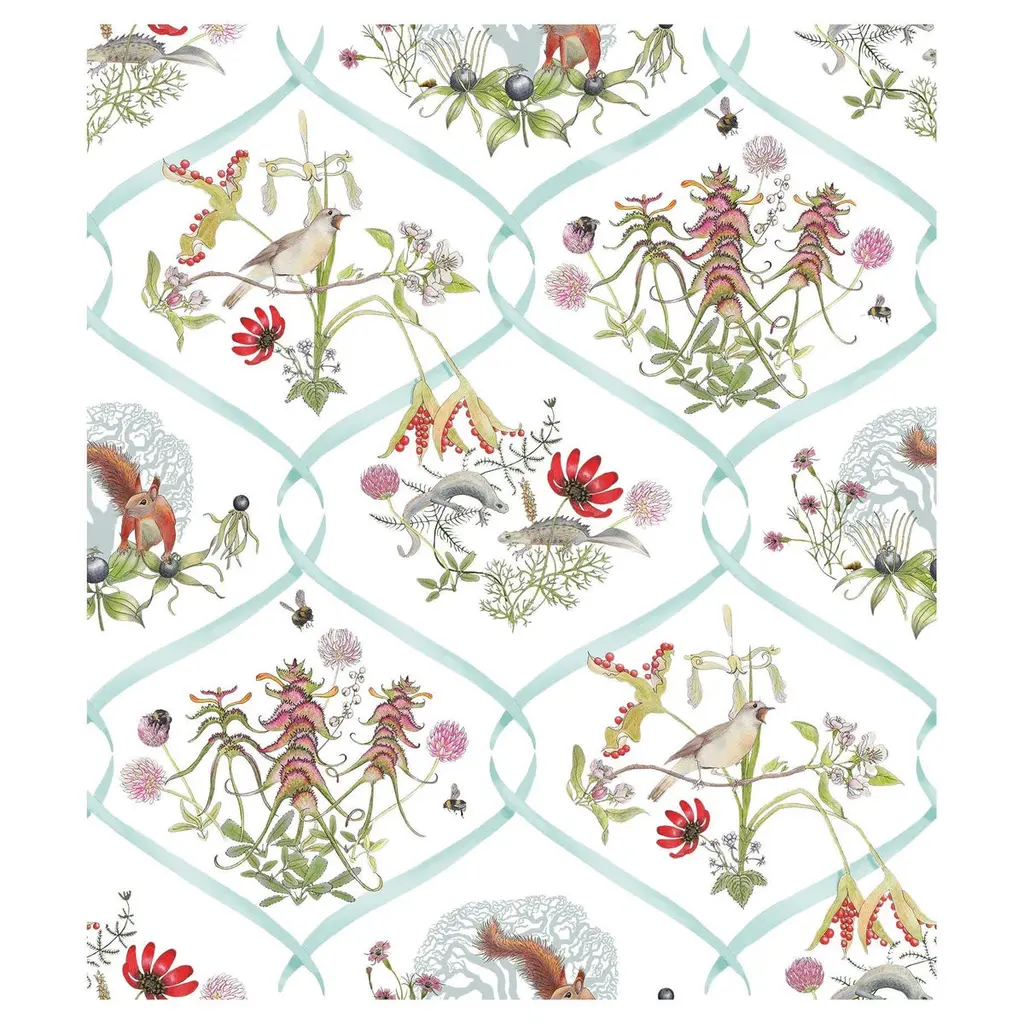
Mercia Ribbons Cream/duck Egg Wallpaper
$320
1st Dibs
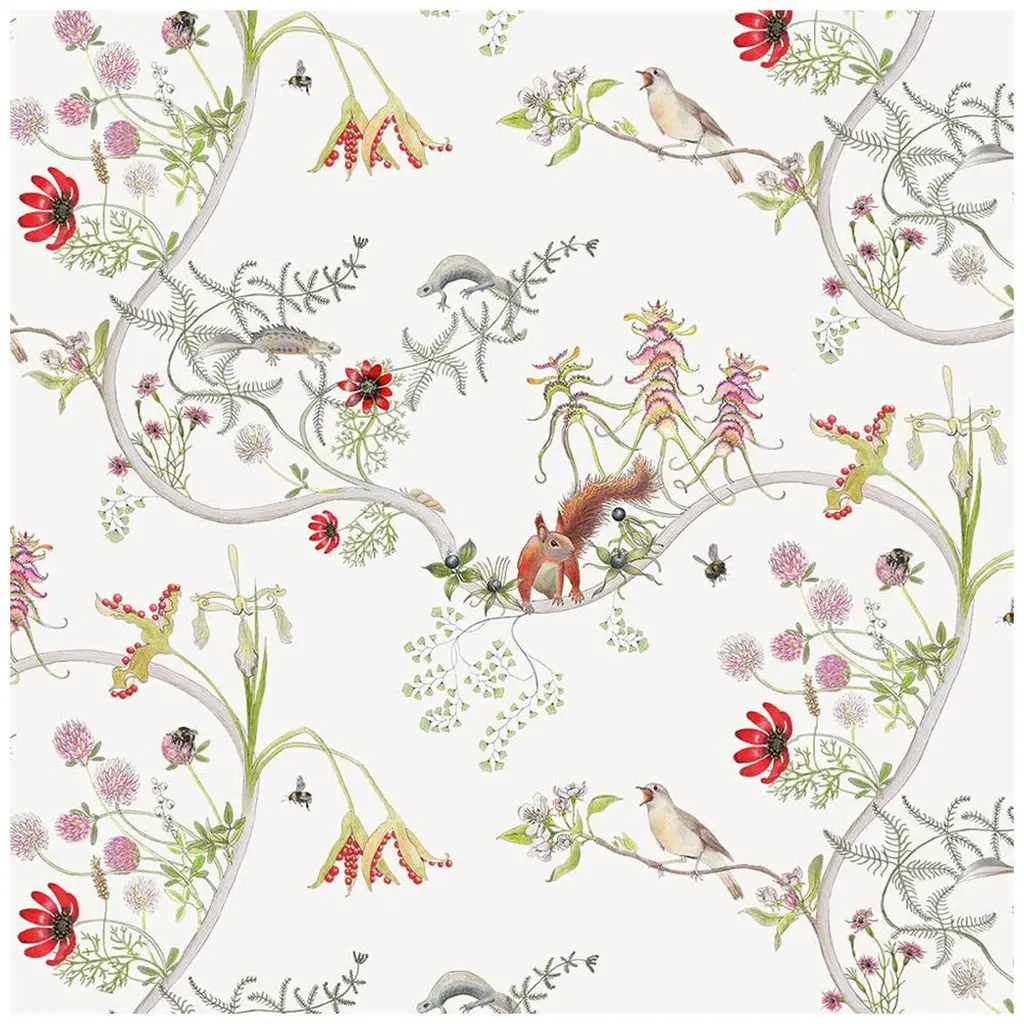
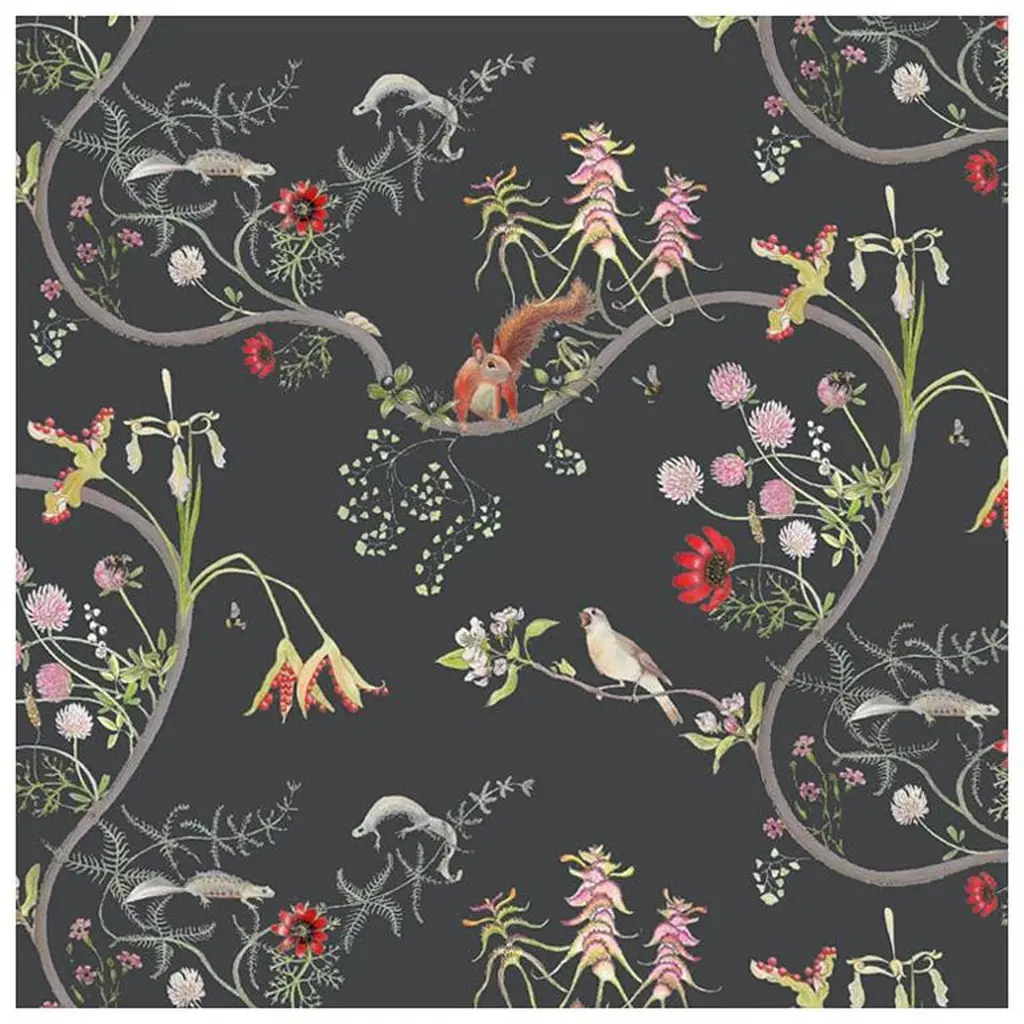
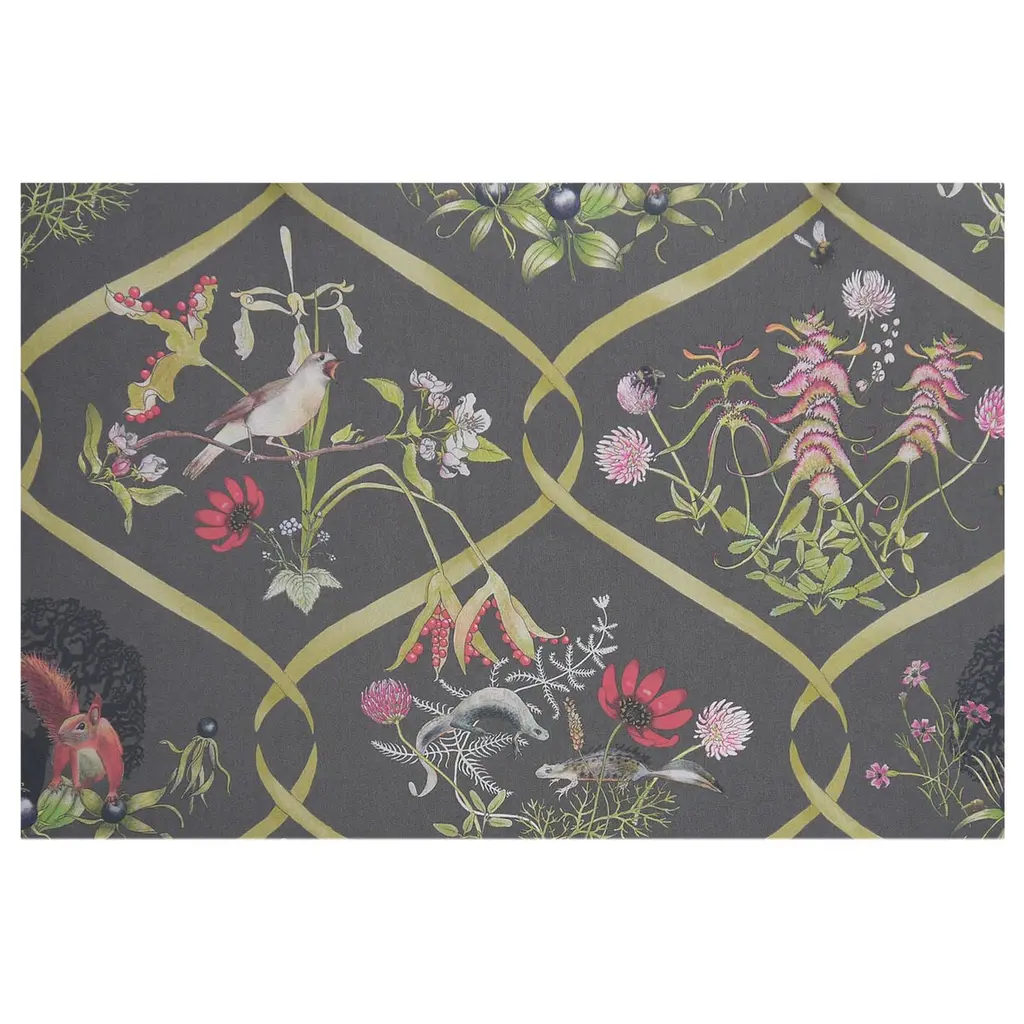
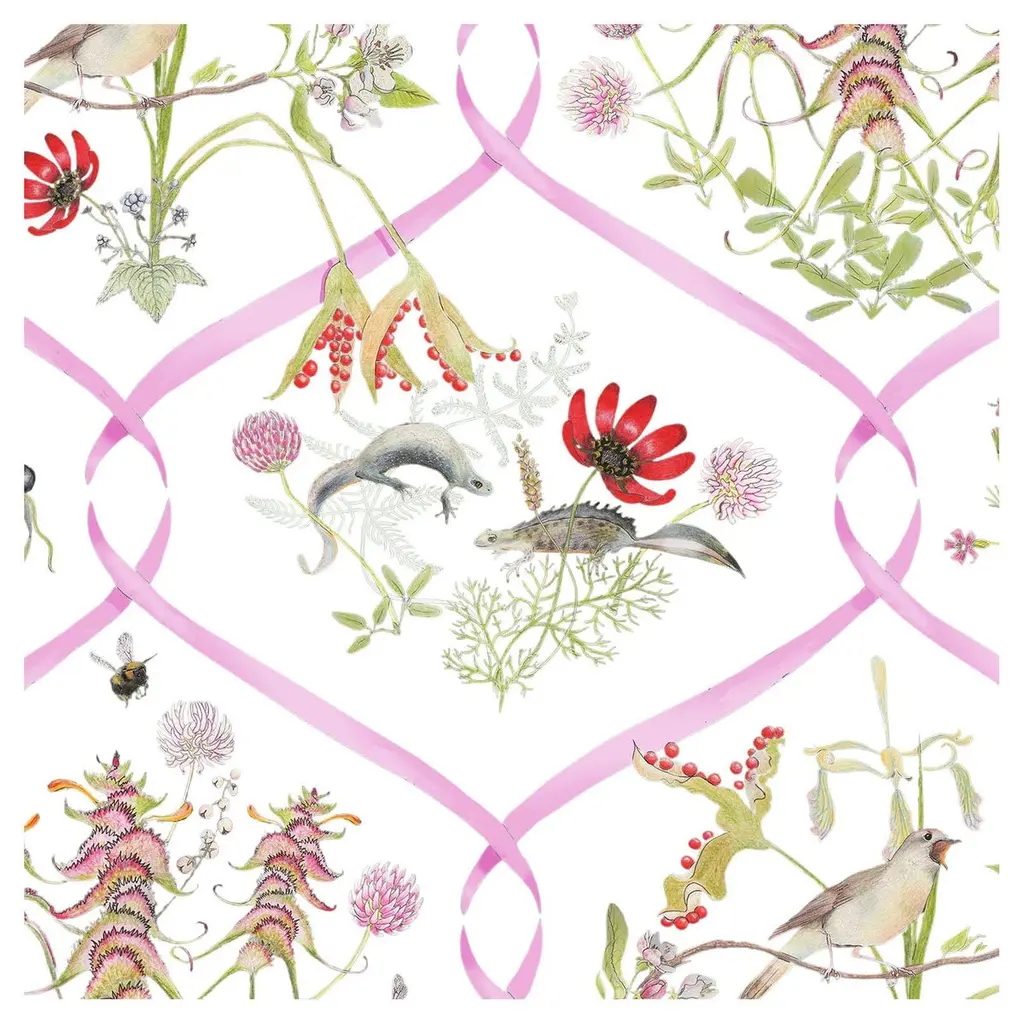
Collection: English Mercia: Mercia RibbonsProduct Code: 29Color: Cream/Duck EggRoll dimensions: 70cm x 10m (27.6in x 10.9yards)Area: 7sq.m (8.4 sq.yards)Pattern repeat: StraightWallpaper: Non-woven 147gsm UncoatedFire rating: Fire certified for both Europe and the USA. Classified to BS En 13501-1-1:2002, class B, s1, d0Wallpaper: The designs are printed on Uncoated Non-woven 147gsm. This design will also be available on Coated Non-woven 147gsm. The uncoated wallpaper has a matt finish and vibrant but gentle, muted colours. The Coated wallpaper has a slight shine, is more wipeable and has deeper colours.Fire rating: Fire certified for both Europe and the USA. Classified to BS En 13501-1-1:2002, class B, s1, d0This pattern shows English species suggested to me by the imaginary species in Dr Suess's The Lorax. It is organised in an ogee pattern, made of ribbons. They remind me of the double helix of the DNA that determines how we all turn out, every living thing, and of chain link fences, and breaking through them to get out into nature.The humming fish are represented by great crested newts, the precious truffula trees are clover flowers whilst the playful barballoots are the red squirrels. The bees which also feature in a companion print are short-haired bumblebees – a wonderful conservation success story as they were extinct in the UK but acres of flower-rich meadows were planted in Kent, the bees were reintroduced and are now thriving. Other flowers include several species of clover, Pheasant’s eye, crested cowwheat, Stinking iris, whorled millifoil, Carthusian pinks, Herb Paris,wintergreen and blossoms of a rare old English breed of apple. Great great grandfather snail is the lagoon spire snail (thought extinct, but recently found in Chichester harbour). Companion prints include Mercia Vines and Mercia Bees, featuring details from this design.This is an eco-friendly fine gicleé digitally-printed “real” wallpaper. It is printed in the UK on a natural non-woven cellulose-based substrate made from recycled materials, recycled polyester (PET) fibre and recycled wood pulp. The production process is solvent free with minimal waste and energy inputs.
Similar Items