•
Onton Team
They say home is where the heart is — and in feng shui, a healthy heart beats strongest when energy flows freely around your space. A home shaped by feng shui principles nurtures warmth in the living room, clarity at your desk, and calm around your bed. It’s not only about where you position your stove, but about creating balance and positive energy that support how you live as you go about your daily routines.
In this guide, we’ll walk you through the feng shui basics and teach you how to apply them in modern interior design. From capturing natural light to thoughtfully arranging furniture, you’ll find simple ways to make your home feel harmonious.
What’s feng shui?
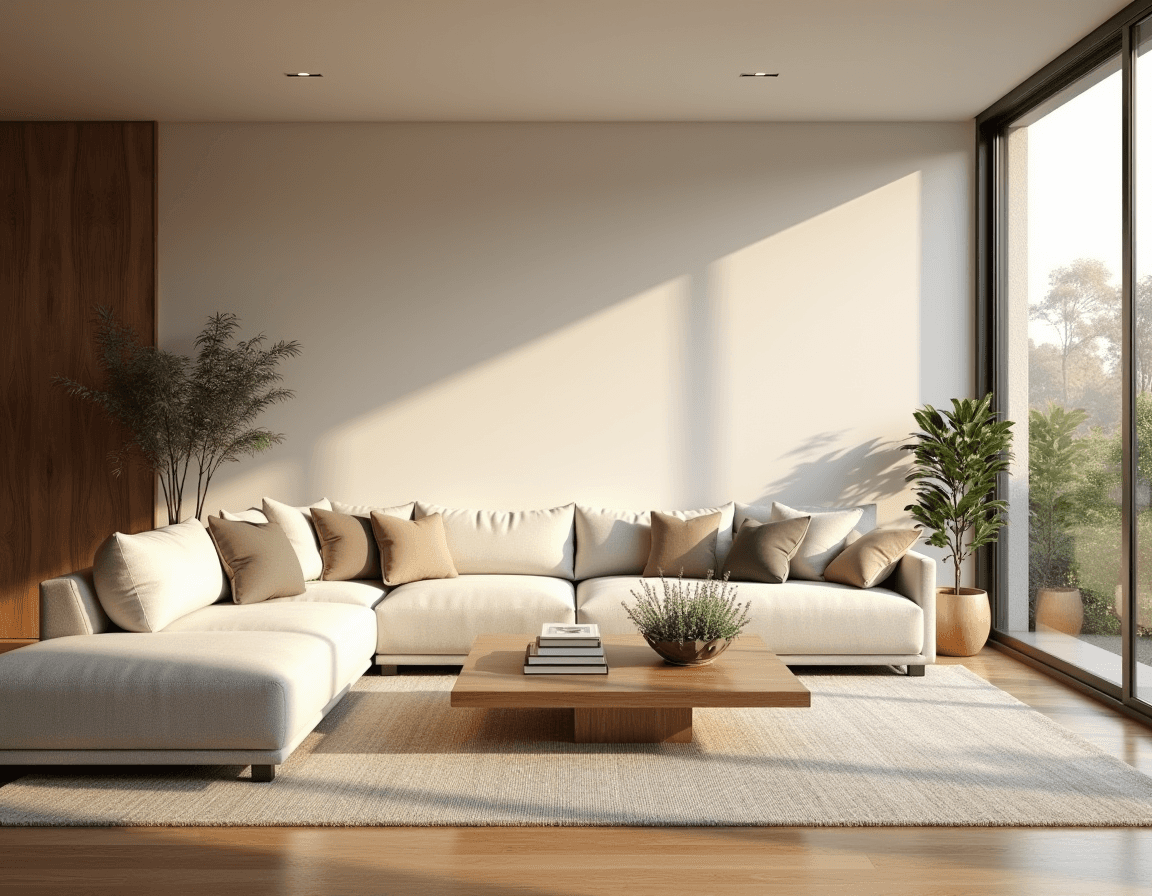
Before we learn how to feng shui your home, let’s dive into its origins.
Feng shui is an ancient Chinese practice rooted in Taoist teachings centered around organizing your surroundings in harmony with the natural world. Its principles have guided architecture and design for centuries, emphasizing the connection between humans and their environment.
The goal is to create free-flowing chi/qi, which is the energy that moves through everything. Chi is a vital life force made of two opposing but complementary energy forces: yin and yang. Feng shui focuses on arranging spaces so that yin and yang energies co-exist peacefully and encourage positive energy flow.
In feng shui design, that means paying careful attention to how furniture, light, and natural elements interact with each other. An unobstructed door invites good energy, symmetry promotes calm, and natural materials keep you grounded.
What are the principles of feng shui?
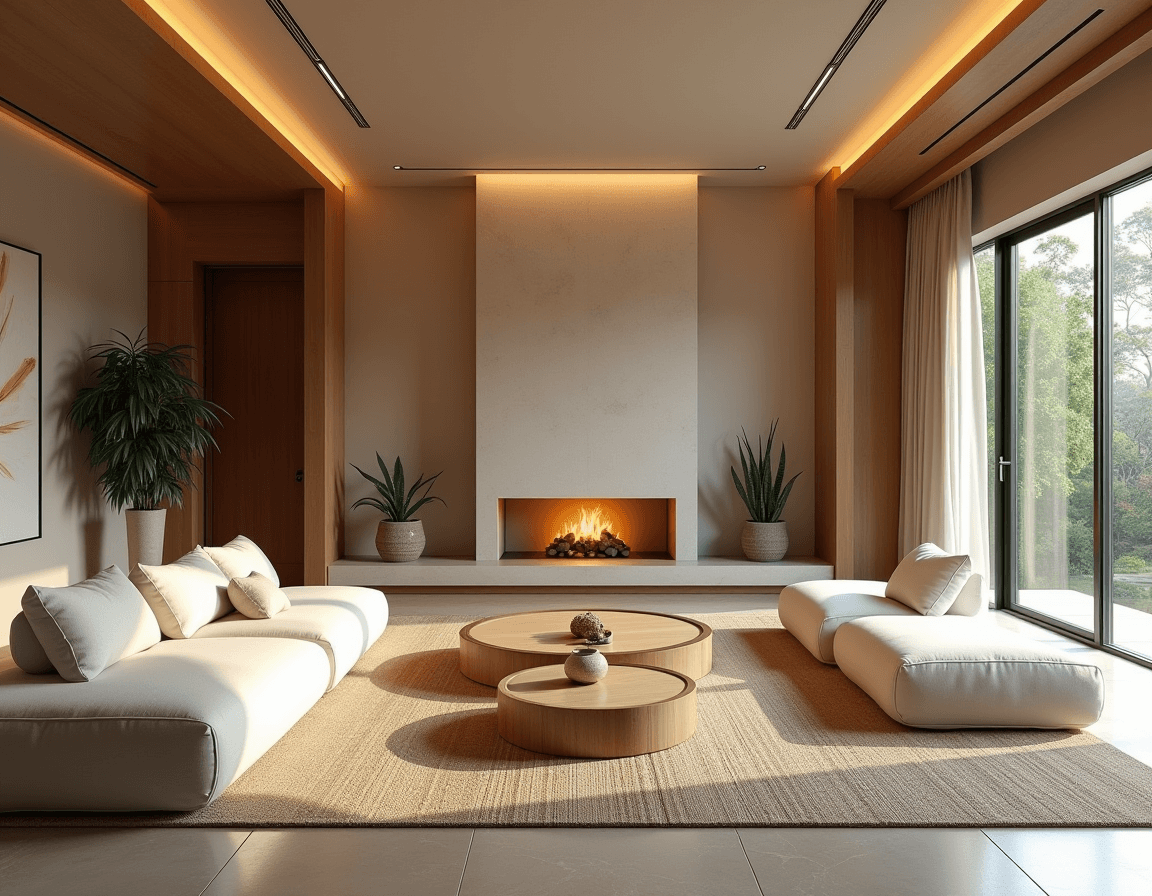
Energy flows freely — when you respect a few time-tested rules. Think of them as design guidelines that help the yin get along with the yang.
The bagua map
The bagua map is like a blueprint for understanding how different parts of your life connect to distinct areas of your home. The modern bagua map is a square split into nine quadrants. Each quadrant is then split into three categories: direction, an area of life, and a feng shui element. For instance, the north section represents career and is stimulated by the water element.
This doesn’t mean you have to renovate your bedroom to get a raise at work. Instead, small adjustments — like adding a dark blue upholstered headboard and metal floor lamp — can support interior design harmony in those areas.
The command position
Furniture placement can either block or welcome good energy. With the command position, you arrange the main piece of furniture diagonally to the door. That means when you’re on your bed or at your desk or couch, you should be able to see the entrance but not be directly in line with it. This creates a sense of security and awareness over your surroundings, which allows you to “command” the environment, whether lounging in the living room or baking in the kitchen.
Decluttering
Cluttered space, cluttered mind. In feng shui, piles of stuff block the movement of chi. Perhaps your entryway doesn’t have proper storage: Shoes pile up on the floor, umbrellas lean against the wall, and coats pile up on the nearest chair. A crowded front door isn’t just an eyesore — it stops good energy from flowing in.
Decluttering doesn’t mean emptying out all your knick knacks. It’s about editing your possessions with purpose. Organize what’s useful or meaningful and clear out what simply takes up space.
Declutter your front door with a coat rack
What are the five elements of feng shui?
In order to create a relaxing bedroom or productive home office, you need to create harmony between the five feng shui elements. These natural elements — wood, fire, earth, metal, and water — can be layered in or toned down to create balance and positive chi.
1. Wood element
Strength and expansion are represented by the sturdy wood element. It cultivates forward thinking and new ideas. Incorporate this element in the east and southeast sections of your home.
If your bedroom falls in this section, decorate with a wood bed frame, trailing plants, green throw pillows, and a natural fiber rug. Find a balance — too much of the wood element will clog the mind.
2. Fire element
The warm glow of a wall sconce doesn’t just create ambiance, it brings in the energy and expressiveness of the fire element. Prioritize fire on the southernmost section of your home to stay joyful and enthusiastic. Don’t paint the walls red — too much fire can make you feel angry or impatient.
3. Earth element
It’s important to keep your head out of the clouds, otherwise you may find it hard to concentrate or cultivate a sense of gratitude and stability. The earth element runs diagonally, covering the southwest, center, and northeast positions in your home. You can decorate with earthy paint colors, a Brutalist stone coffee table, or a jute area rug. Too much of the earth element might cause a heavy feeling of stagnation.
4. Metal element
Metal brings a sense of mental clarity and creativity, although too much can lead to ruminating thoughts. A brass chandelier, bedroom nightstand with chrome legs and hardware, or metal floating shelves can bring this element into your space.
5. Water element
A curved couch, wavy mirror, or coastal interior design style attract prosperity and wealth, connected to the free-flowing water element. Water encourages flexibility and knowledge, and prospers in the northmost section of your house. Here, you can control the flow of water with earth, creating boundaries that stop your lazy river from turning into a destabilizing rapid.
What are some tips for applying feng shui?
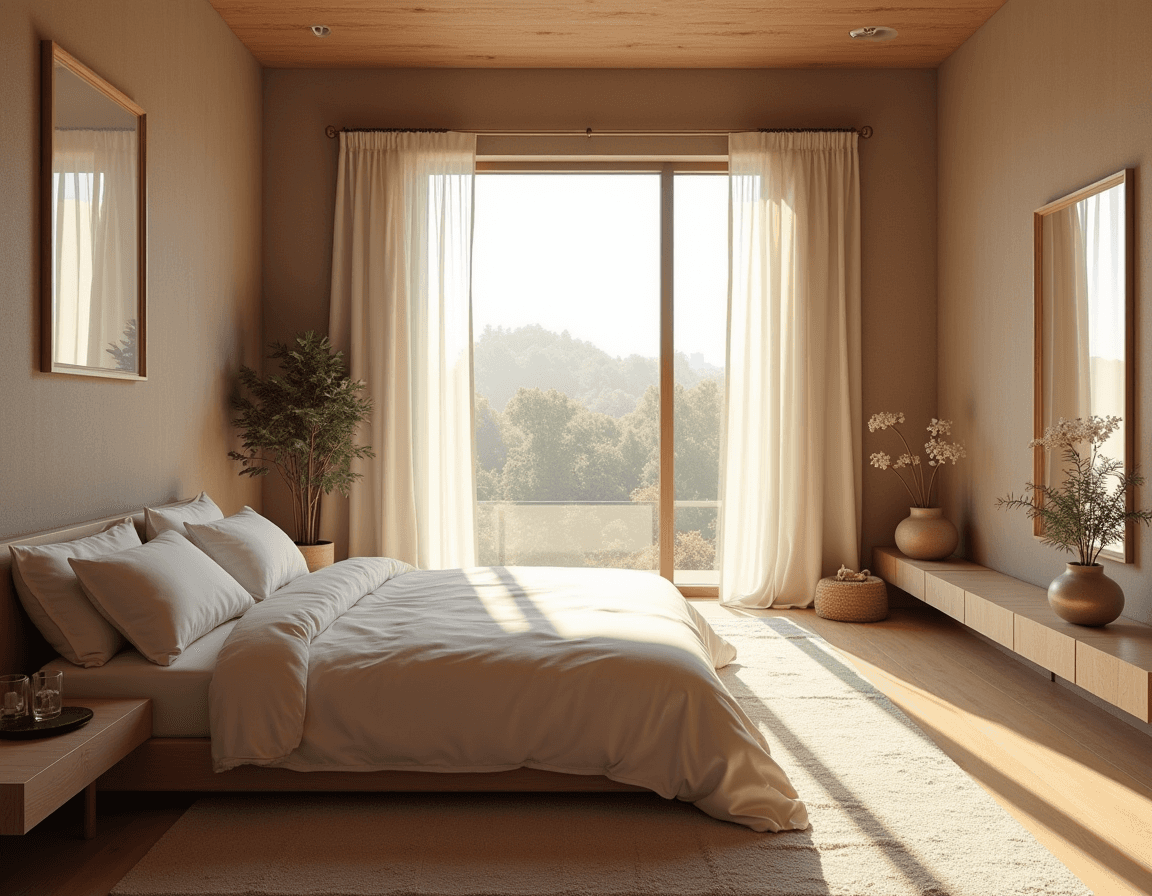
You don’t have to study ancient Chinese texts or hire a professional feng shui interior designer to bring in the good vibes. Applying a few simple feng shui tips can establish the harmony your home needs.
Maximize natural light
Sometimes, a short walk on a sunny day is all you need to lift your mood. Your home feels the same way. Arrange important pieces of furniture so they soak up warm sunlight, and use window treatments (think loose linen curtains or lacey drapes) that let light in.
Remember: Feng shui is about finding balance. Positioning furniture underneath or directly in front of a window to soak up all the sun will block chi and make you feel overexposed.
Let in fresh air
Clean air means clean energy and chi that circulates freely. Occasionally open your windows to let fresh air and sunlight inside. If you live in a space without a lot of natural light, air purifiers and air-purifying plants (like pothos, snake plants, and peace lilies) can enhance positive energy.
Find a beautiful ceramic pot for your pothos
Use mirrors strategically
In feng shui, mirrors can be used to direct good energy or amplify positivity. Perhaps you use a mirror in your home office to reflect a wavy blue graphic print, inviting the prosperous water element to expand in a space dedicated to making a livelihood. Be careful not to place mirrors in front of doors, since this can cause chi to bounce back out of the room.
Balance furniture placement
Symmetry, cleanliness, and balance let energy flow freely. The easier it is for you to get around your house, the more at peace you’ll feel. Avoid blocking doors or creating cramped pathways with furniture, and use the command position to create stability and control over your environment.
Explore feng shui design with Onton
Your home should feel like a calm, personal oasis. Use Onton’s AI-powered search engine to explore your favorite ideas from this feng shui guide. Try prompts like “circular mirror,” “shoe organizer,” or “stone pottery” to browse pieces from the best brands.
Once you discover a few favorites, use Onton’s Imagine tool to preview how they’ll look in different rooms. Just upload a photo and try a prompt like “bedroom-office combo with a wood desk near a window with sheer curtains” to start experimenting with different setups.
Dream up your ideal feng shui home design with Onton.
FAQ
How do I feng shui my house?
Start with the basics: clear clutter, maximize natural light, and place key furniture in the commanding position.
How can I tell if my house has bad feng shui?
Blocked walkways, stale air, and clutter all over are signs that the chi is off. If you can’t move around your home easily, neither can the good energy.
What should I hang above the bed for feng shui?
Keep it peaceful. Artwork with gentle patterns and soft tapestries will help you feel restful. Avoid heavy objects, shelves, and mirrors that might make you feel restless.
Related reading
Keep reading
Design guides, smarter shopping, and AI-powered ways to find what you love
