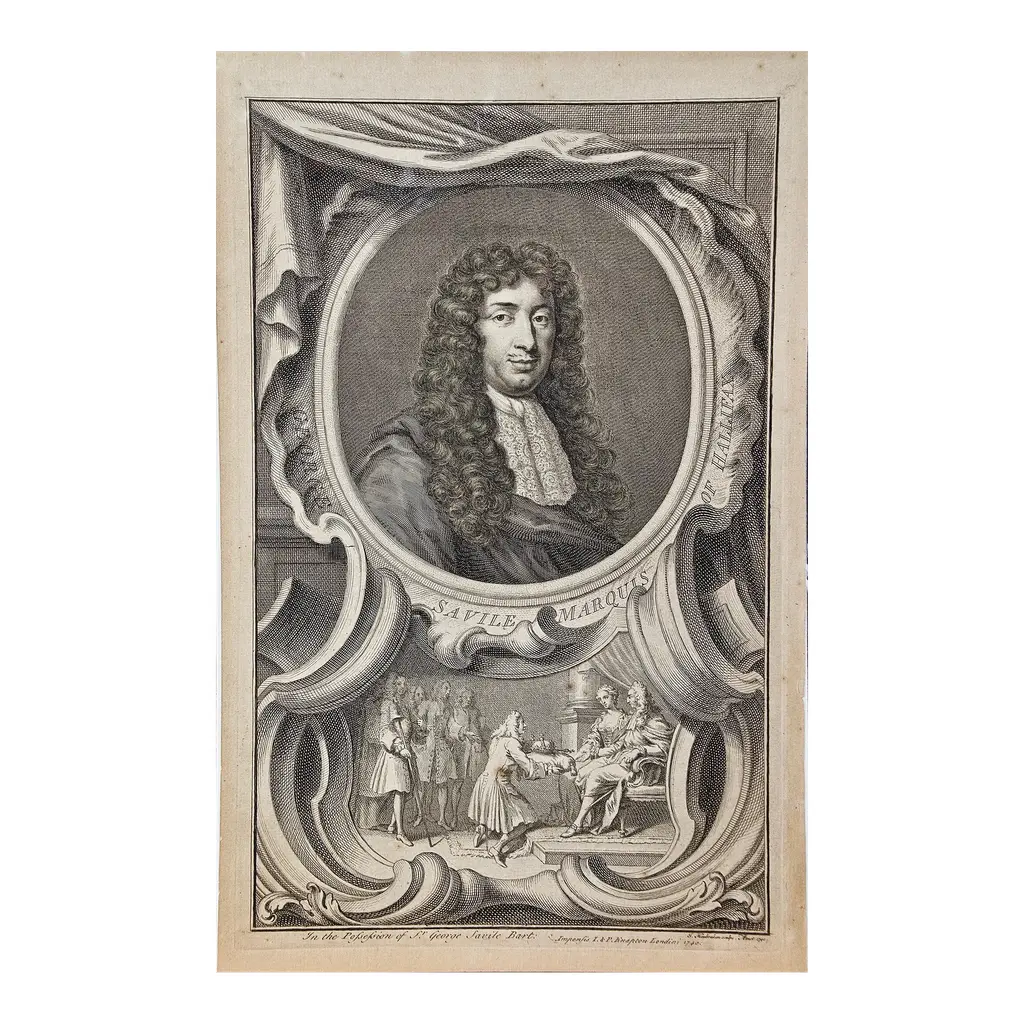
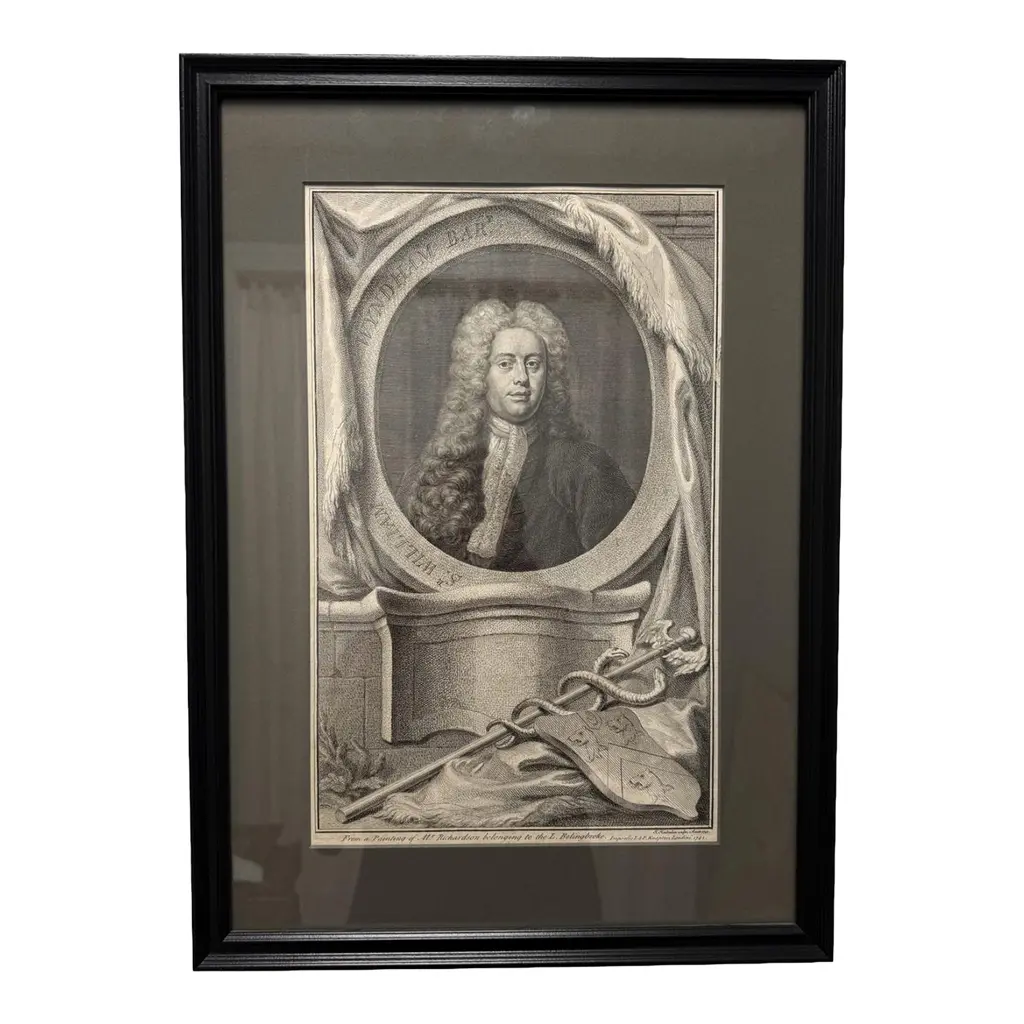
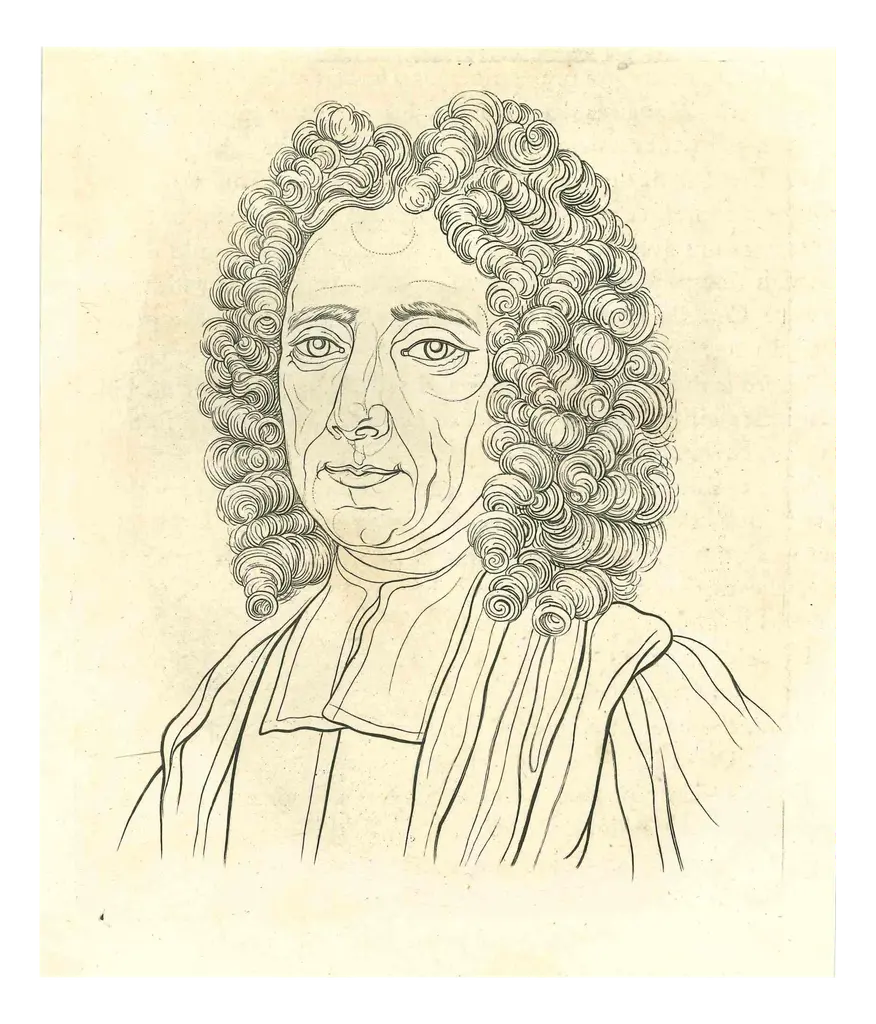
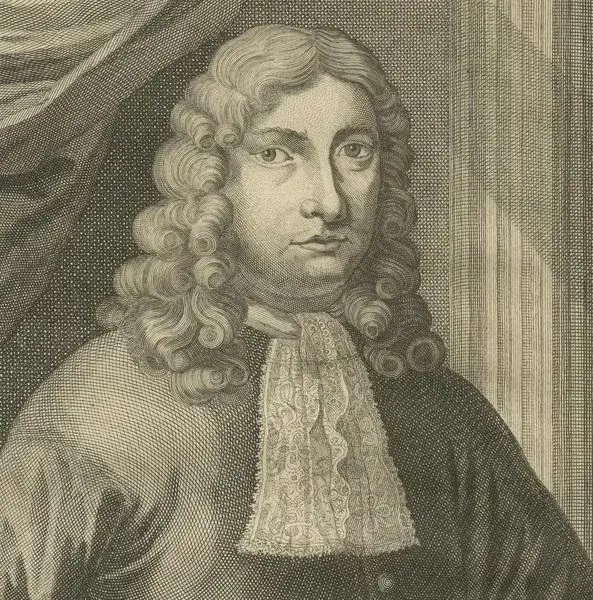
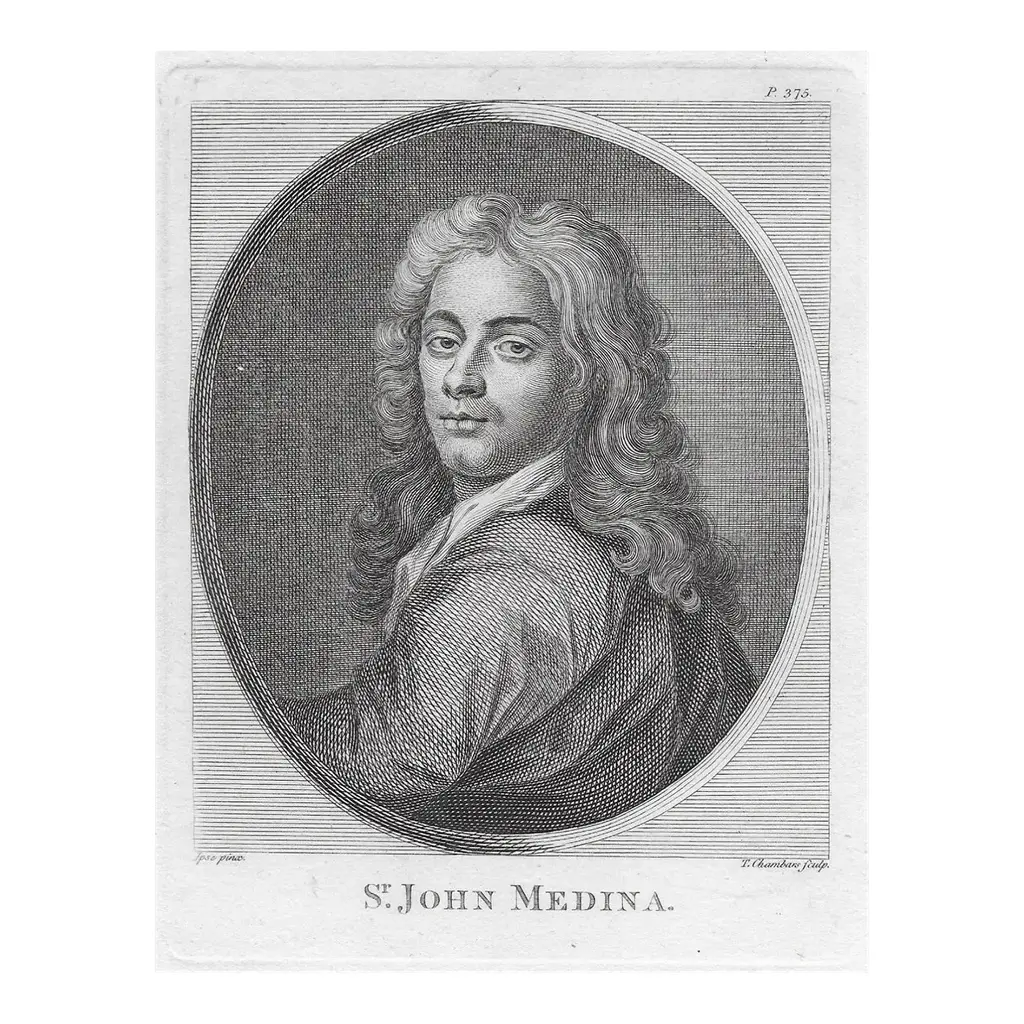
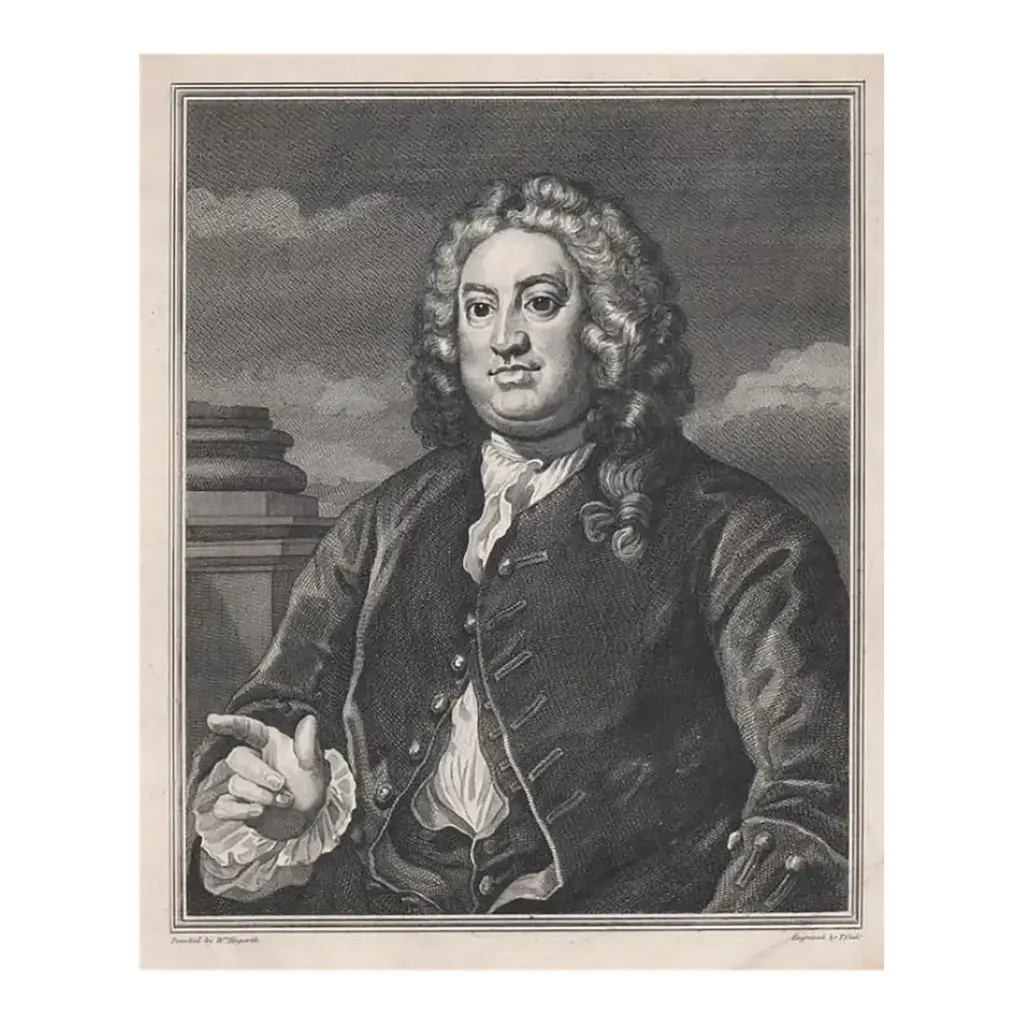
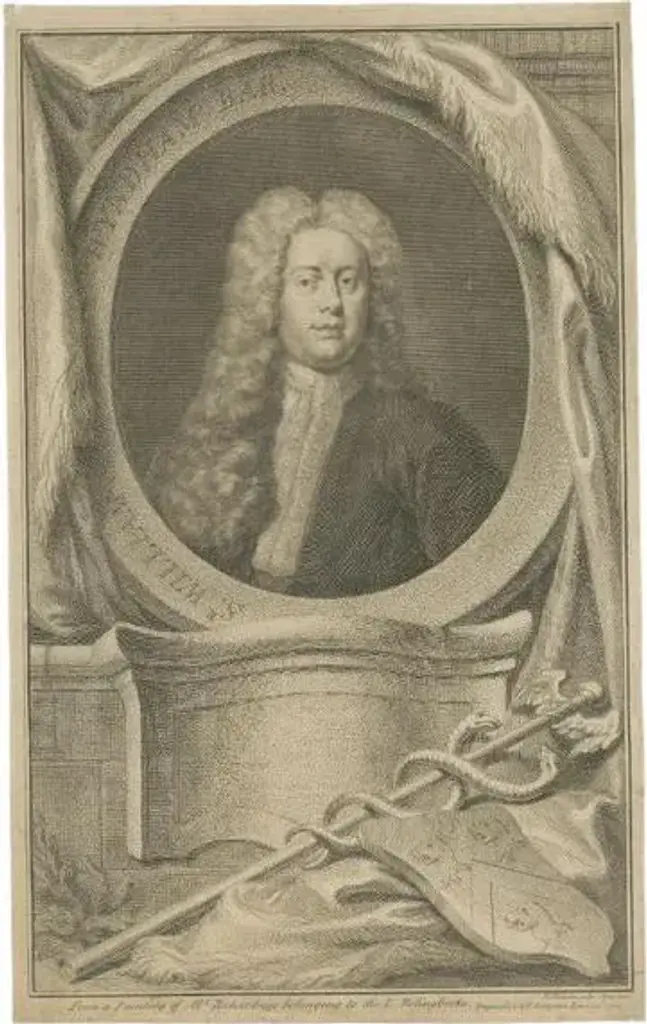
The portrait you've shown of christoffel van swol is an example of an early 18th-century engraving, likely created to honor his service as a governor-general of the dutch east india company (voc). The detailed artwork would have been a significant way to celebrate and acknowledge his status and achievements. Here's an analysis of the portrait and some background on christoffel van swol: **portrait analysis:** - **artistry**: the engraving is executed with precision, common in the portraiture of the time, capturing the fine details of van swol's attire and facial features. The shading and intricate lines suggest the work of a skilled artist, commissioned to depict a person of high status. - **attire**: van swol is dressed in the fashion of a 17th-century european nobleman, indicating his high social standing. The lace cravat and finely tailored coat with its detailed buttons, along with the baton in his hand, are symbols of his authority and position. - **inscriptions**: the portrait includes his name, "christoffel van swol," and a title or inscription that would indicate his position. Such engravings often included the subject's titles, achievements, or mottos. - **symbolism**: portraits from this era often included symbolic elements, such as the staff of command he holds, which signifies leadership and authority. The coat of arms present in the engraving would represent his family lineage or personal emblem. **about christoffel van swol:** christoffel van swol served as governor-general of the dutch east indies from 1718 to 1725. His tenure was marked by the continued expansion of dutch colonial and economic influence in southeast asia. However, details about his governance and policies are less commonly known compared to some of his contemporaries. The voc was the world's first multinational corporation and had sovereign powers, including the ability to wage war, imprison and execute convicts, negotiate treaties, strike its own coins, and establish colonies. Governors-general like van swol were crucial in managing the company's affairs across a vast territory, dealing with trade dynamics, local politics, and administrative challenges inherent in running colonial outposts. The portrait by valentyn would serve not only as a personal commemoration but also as a historical record of the key figures who played roles in the voc's operations. From the monumental work by françois valentyn: “oud en nieuw oost-indiën, vervattende een naaukeurige en uitvoerige verhandelinge van nederlands mogentheyd in die gewesten”. Dordrecht/amsterdam: j. Van braam en g. Onder de linden, 1724/1726. (transl.: old and new east-indies, including an accurate and extensive of dutch / voc controlled territories.) made by an anonymous engraver after valentijn.
Similar products