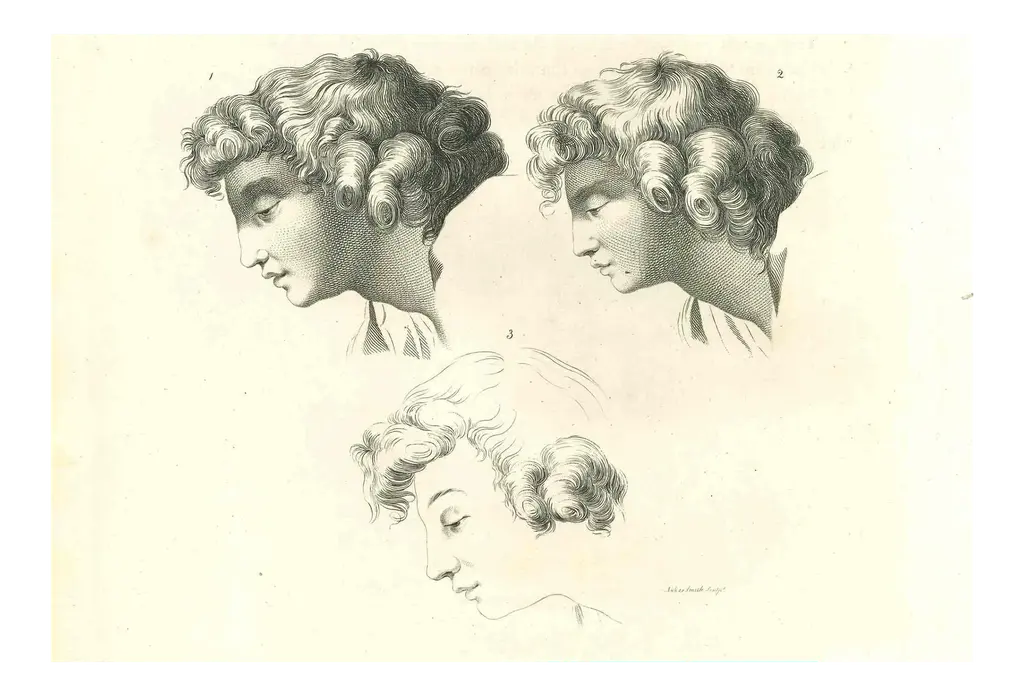
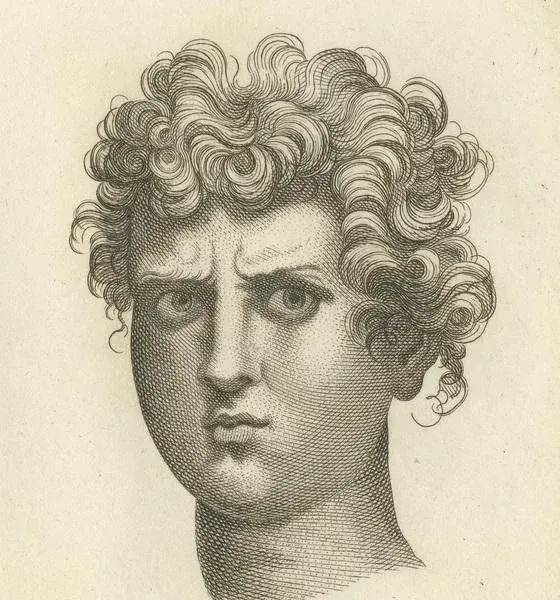
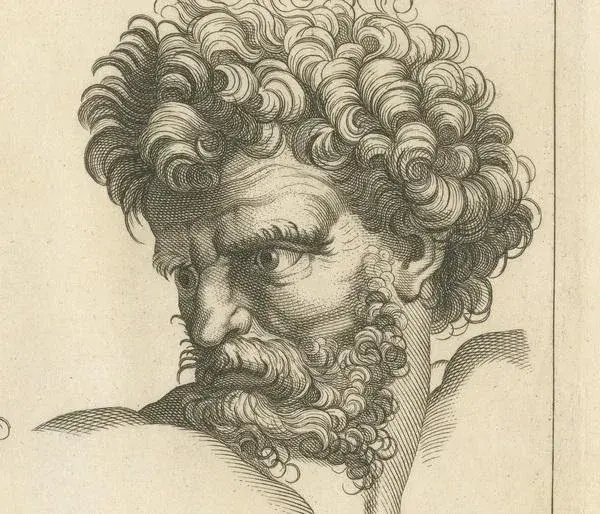
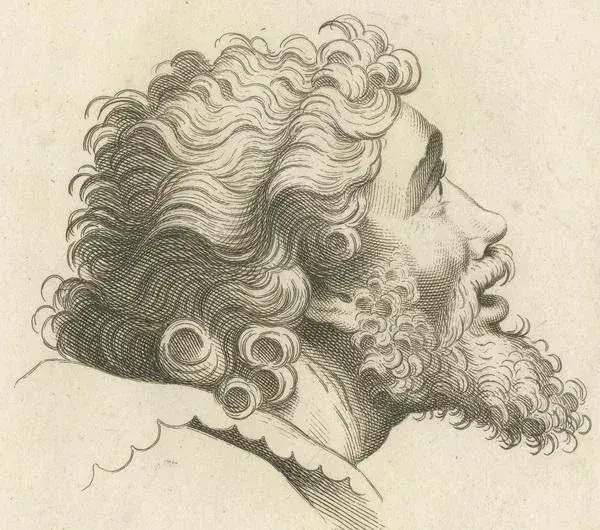
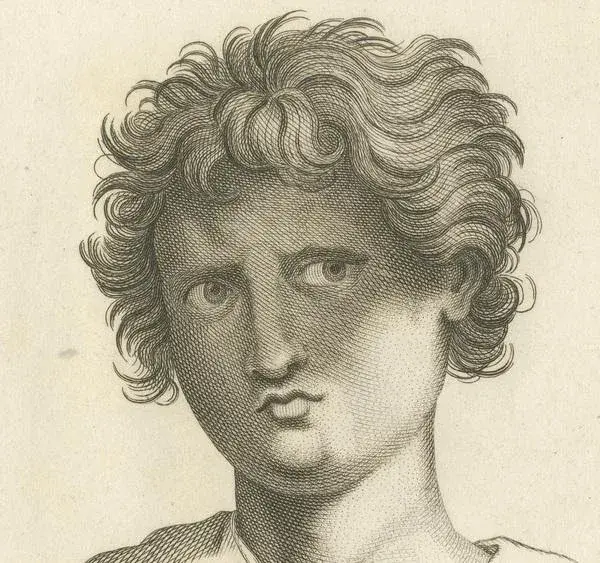
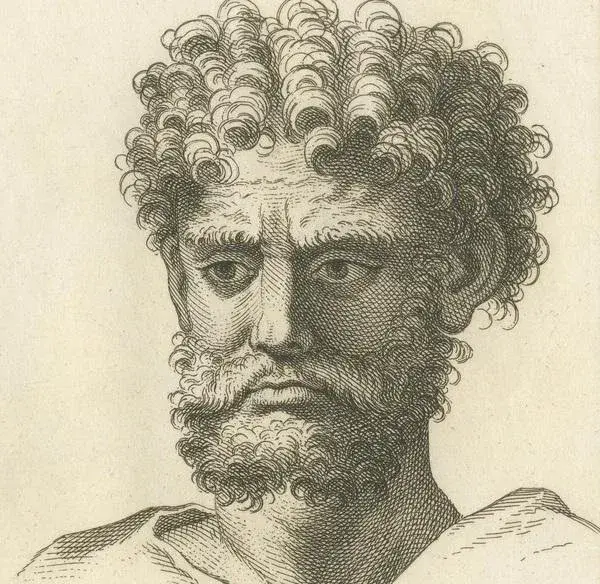
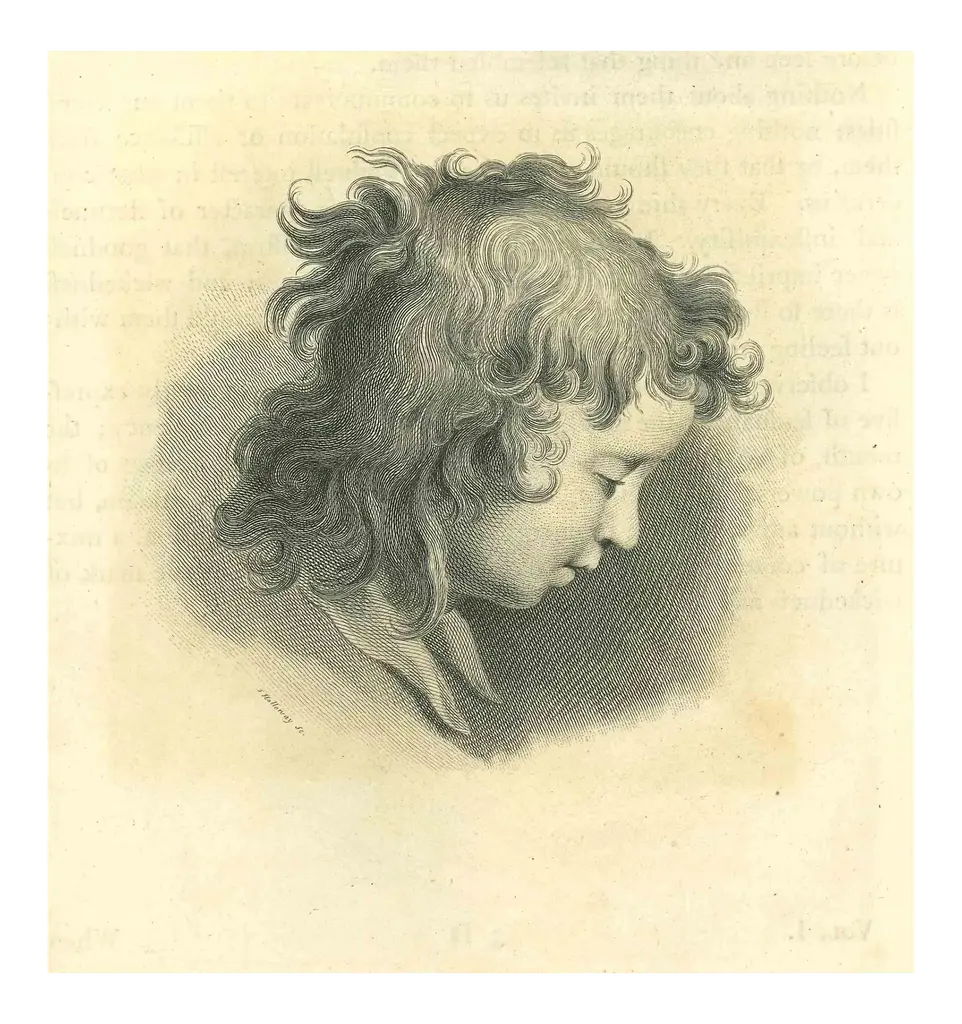
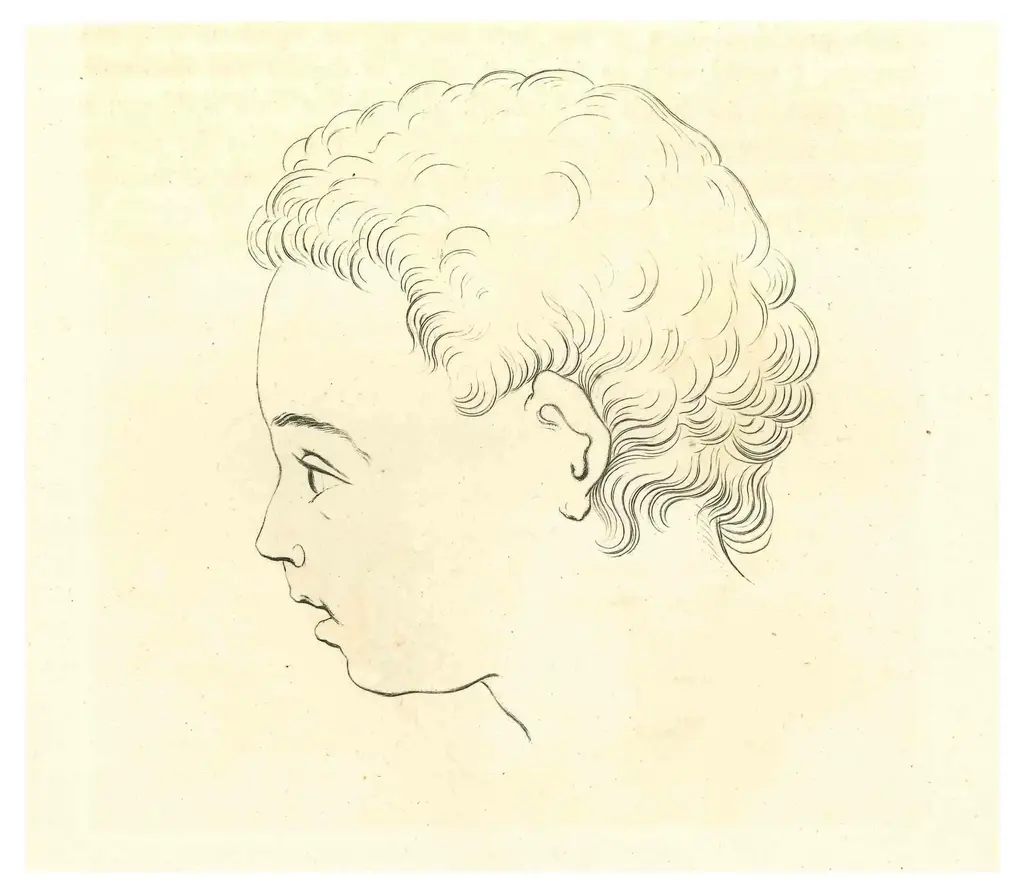
The engraving features two cherubic faces, each blowing an object that is not fully visible, which may be a wind instrument, giving life to an unseen melody. The cherubs, with their rounded cheeks and curly hair, are depicted with a mastery of line work and shading that is characteristic of the high-quality engravings from this period. On the left side of the print, "Raph. Urb. pin." is inscribed, indicating that the original design was by Raphael, and on the right, "S. Thomassin sculp." signifies the engraver, Simon Thomassin. This engraving is part of the "Recueil de XC Têtes tirées des Sept Cartons des Actes des Apôtres," a significant body of work produced under the direction of Sir Nicolas Dorigny. The collection was created to reproduce the cartoons by Raphael that were preserved at Hampton Court, and it involved a collaboration of several skilled engravers of the time, including Thomassin. The expressions on the cherubs' faces—one slightly turned downward, the other gazing outward—capture a moment of playful concentration. This work exemplifies the Renaissance's fascination with angelic forms, embodying both the innocence of youth and the divine music of the heavens. The engraving is a testament to the collaborative artistry of the 18th century and reflects the enduring appeal of Raphael's designs. The work of Sir Nicolas Dorigny based on Raphael's cartoons is referred to as "Cartoons de Raphael". This significant work consists of a series of engravings that reproduce Raphael's famous cartoons for tapestries, which are based on scenes from the lives of Saints Peter and Paul. These cartoons were originally created by Raphael for tapestries in the Sistine Chapel commissioned by Pope Leo X. The engravings by Dorigny are a pivotal point of reference for the influence of Raphael's style and storytelling through the medium of tapestry. Dorigny's engravings, including the "Cartoons de Raphael", were appreciated for their artistic merit and the important subjects they portrayed, playing a significant role in the dissemination of Raphael's Renaissance art to a wider audience.
Similar products